Apple just made a stunning reversal on AI photo editing. At WWDC 2026, the company unveiled a suite of generative AI-powered photo manipulation tools that let users radically alter images - tools the company once questioned were worth the ethical risk. It's a dramatic philosophical shift for a brand built on authenticity, and it's raising uncomfortable questions about whether we can trust what we see in our camera rolls anymore.
Apple just crossed a line it once drew in the sand. At WWDC 2026 today, the company unveiled a dramatic expansion of AI-powered photo editing capabilities that give users unprecedented power to manipulate images - features that blur the line between photography and outright fabrication. It's a stunning reversal for a company that just two years ago was preaching caution about distorting reality.
The announcement marks a sharp departure from Apple's previous philosophy. When the company launched Clean Up in 2024 - a relatively modest AI tool that could remove unwanted objects from photos - software chief Craig Federighi was careful to emphasize restraint. In an interview with The Verge at the time, Federighi said it was "important for the company" to maintain the integrity of photographs. Clean Up was positioned as a subtle enhancement, similar to Google Photos' Magic Eraser but more conservative in scope.
That philosophy is now in the rearview mirror. The new suite of tools announced today goes far beyond simple object removal. According to Apple's newsroom announcement, users can now generate entirely new elements within their photos, reconstruct backgrounds, and manipulate images in ways that fundamentally alter their content. Yet Apple still calls these creations "photos" in its marketing materials and user interface.
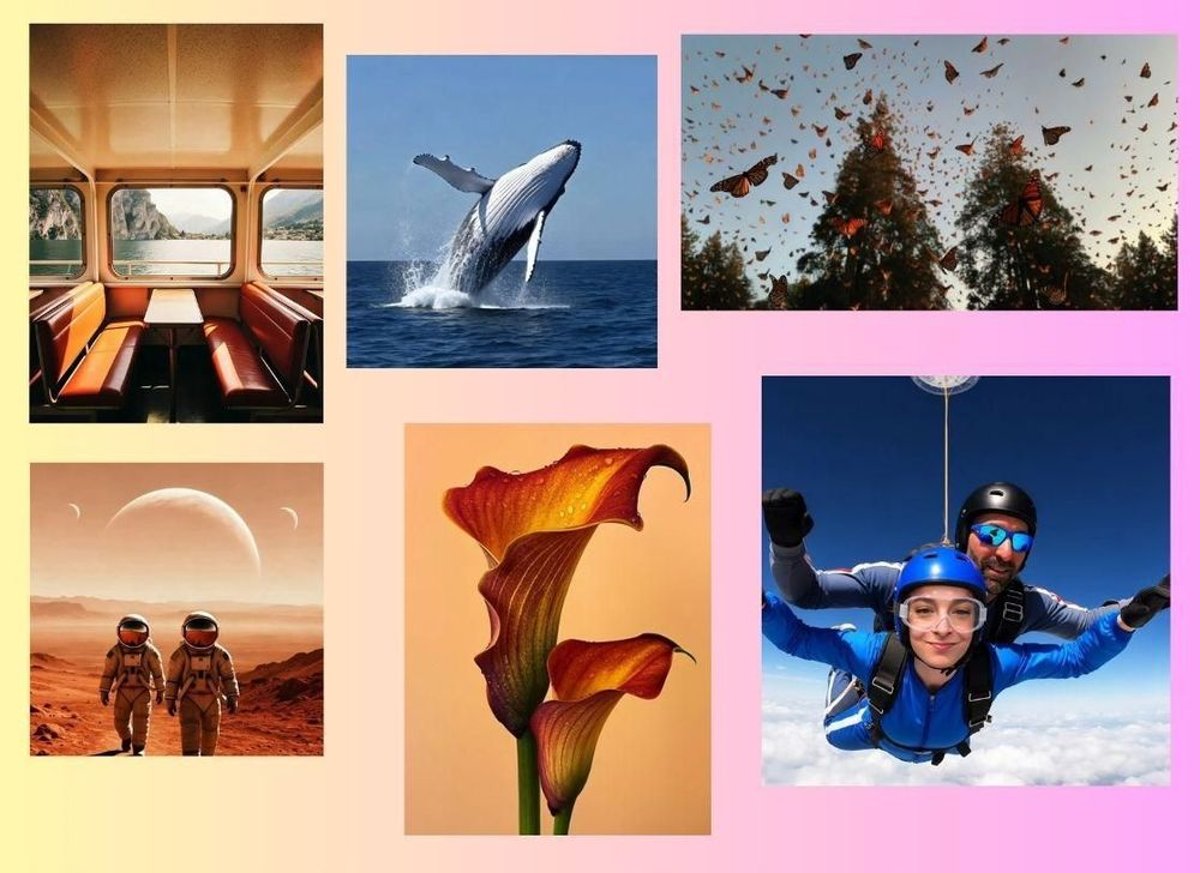
What's particularly striking is how Apple presented these capabilities. During the WWDC keynote demonstration, the company showcased a collection of images without clearly flagging which were authentic photographs and which were AI-generated or heavily manipulated. The ambiguity appears intentional - a signal that Apple no longer sees value in drawing sharp distinctions between captured and created imagery.
This puts Apple in direct competition with Google and other tech giants racing to pack AI features into their devices. But it also represents a broader industry trend that's making some experts nervous. As generative AI tools become more powerful and accessible, the shared understanding of what constitutes a "photograph" is dissolving. When your iPhone can seamlessly add, remove, or alter elements of a scene with a few taps, what does photographic evidence even mean anymore?
The timing of Apple's pivot is revealing. The company spent years building its reputation on privacy and digital wellbeing, positioning itself as the responsible alternative to competitors who moved fast and broke things. But as AI capabilities become table stakes in the smartphone market, Apple seems willing to compromise those principles. The Clean Up tool was already a tentative step in this direction. Today's announcement is a full sprint.
For users, the implications are complex. On one hand, these tools democratize sophisticated editing capabilities that once required professional software and expertise. Want to remove a stranger from your vacation photo? Done. Want to change the weather in your wedding pictures? No problem. It's creative empowerment on an unprecedented scale.
But there's a darker side to this convenience. As AI-manipulated images become indistinguishable from authentic ones, we lose a reliable record of reality. The photos in your library - and everyone else's - become suspect. Did that moment actually happen, or did you generate it afterward? When litigation, journalism, and personal memory all rely on photographic evidence, the erosion of trust in images has serious consequences.
Apple hasn't announced robust systems for labeling or tracking AI modifications to photos. The company's approach appears to be letting users freely manipulate images without mandatory disclosure or metadata that would flag synthetic elements. It's a hands-off strategy that prioritizes user experience over transparency - another departure from Apple's previous stance on digital authenticity.
The shift also raises questions about Apple's competitive strategy. By embracing generative AI photo editing so aggressively, the company is essentially admitting that its previous caution was a strategic mistake. Google, Samsung, and others have been shipping these features for months, and Apple may have felt pressure to catch up rather than cede ground in a key product category.
What's clear is that Apple has decided the market wants these tools more than it values photographic integrity. Whether that calculation is correct remains to be seen. But as of today, one of the tech industry's most influential voices on digital ethics has gone quiet on the question of whether our photos should reflect reality or fantasy.
Apple's embrace of generative AI photo editing at WWDC 2026 represents more than a product update - it's a fundamental shift in how one of tech's most influential companies thinks about truth and authenticity in digital imagery. The company that once preached restraint has decided that competitive pressure and user demand outweigh concerns about distorting reality. For consumers, that means incredibly powerful creative tools at their fingertips. But it also means we're entering an era where the photos on our devices can no longer be trusted as records of what actually happened. Apple has chosen convenience and features over photographic integrity, and that decision will ripple across the entire industry. The question now isn't whether AI will reshape photography - Apple just made clear that's already happening. The question is whether we'll build systems to maintain trust and transparency as that transformation accelerates, or whether we'll simply accept that photographs have become just another form of digital art.