Google just fired its latest shot in the AI privacy wars, rolling out Private AI Compute - a cloud platform virtually identical to Apple's existing solution. The move signals how tech giants are scrambling to balance users' privacy demands with AI features that need serious computational muscle, setting up a direct head-to-head battle in the infrastructure space that could define mobile AI's future.
Google just dropped its answer to Apple's Private Cloud Compute, and it's practically a carbon copy. The search giant's new Private AI Compute platform promises to solve the same fundamental problem Apple tackled months ago - how to give users powerful AI features without sacrificing privacy.
The timing isn't coincidental. As AI capabilities explode beyond what smartphones and laptops can handle locally, both companies face the same impossible choice: compromise on privacy or limit AI potential. Google's solution mirrors Apple's approach almost exactly - ship complex AI requests to secure cloud servers that promise the same privacy protections as on-device processing.
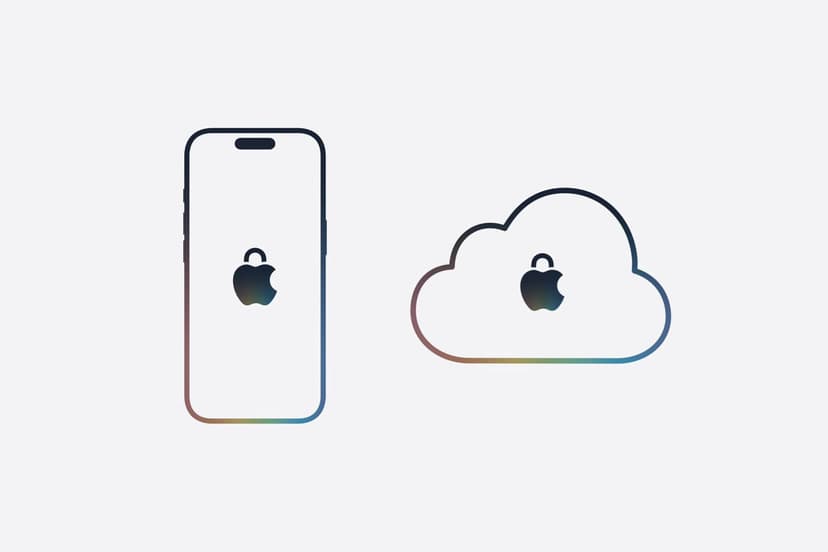
"Sensitive data is available only to you and no one else, not even Google," the company claims in its announcement. It's the exact same pitch Apple made with Private Cloud Compute - a "secure, fortified space" that extends device-level security to the cloud.
The technical challenge is real. Google's Pixel phones already run AI features like translation and audio summaries locally, but that approach hits a wall fast. Modern AI models demand computational resources that mobile chips simply can't deliver, especially for complex reasoning tasks.
Google's first implementation targets the upcoming Pixel 10 phones, where Private AI Compute will power enhanced Magic Cue suggestions. The AI assistant will dig deeper into email and calendar data to surface contextual information, while Recorder transcriptions expand to support more languages - tasks too demanding for local processing.
But this isn't just about technical capabilities - it's about competitive positioning. Apple launched Private Cloud Compute as a key differentiator for Apple Intelligence, marketing privacy as a core advantage over Google's traditionally data-hungry approach. Now Google's essentially saying "anything you can do, we can do too."
The move puts both companies in an interesting bind. By promising that cloud-processed data remains invisible even to themselves, they're voluntarily limiting their ability to improve AI models through user data - traditionally Google's biggest advantage. It's a significant strategic shift for a company built on data collection and analysis.
Industry observers see this as validation of Apple's privacy-first approach forcing Google's hand. "When Apple makes privacy a competitive advantage, Google has to respond," notes one former Google executive who requested anonymity. "But matching the promise is easier than matching the execution."
The real test will be in implementation details that neither company has fully disclosed. How do these secure enclaves actually work? What prevents backdoors or data leakage? Apple faced scrutiny from security researchers over these exact questions, and Google will likely face the same examination.
For consumers, the immediate impact is more capable AI features without the traditional privacy trade-offs. Both platforms promise the best of both worlds - cloud-scale AI processing with device-level privacy protection. Whether that promise holds up under scrutiny remains to be seen.
The broader implications go beyond mobile AI. This infrastructure battle could determine which company controls the next generation of personal computing, where AI assistants become central to how we interact with technology. Google's "this is just the beginning" statement suggests much bigger plans ahead.
What's clear is that the AI privacy infrastructure war is now fully engaged, with both tech giants racing to prove they can deliver powerful AI without compromising user trust.
Google's Private AI Compute launch marks a pivotal moment in the AI infrastructure wars, essentially validating Apple's privacy-first approach while escalating competition for mobile AI dominance. Both companies are now betting that secure cloud processing can deliver the power users want without the privacy compromises they fear - a promise that will define the next phase of personal AI assistants and determine which platform wins the trust of privacy-conscious consumers.