Meta Platforms is not yet collapsing. The company remains one of the most profitable firms in the technology sector and still operates platforms with billions of users. But the tension in its position shows up in a different place: how much money it now spends simply to attract cultural energy that originates elsewhere.
The company still controls enormous distribution through Facebook and Instagram. Facebook alone maintains roughly three billion monthly users globally, with daily activity well above two billion. Millennials and older members of Gen Z remain deeply present on the platform, and the largest age cohort sits between 25 and 34. For advertisers, that scale still matters. Facebook continues to function as a reliable channel for reaching large populations of consumers.
What has shifted is the character of engagement. For many users the platform now operates more like infrastructure than a cultural stage. Younger audiences log in to check messages, browse updates, or keep track of acquaintances. Posting and participating have declined relative to passive scrolling. Older users remain highly active in terms of daily visits, yet even there behavior is drifting toward observation rather than contribution. Facebook increasingly resembles a place people still check rather than a place where they feel compelled to perform or signal identity.
That distinction marks a change in status. Platforms rarely disappear when their cultural moment fades. They settle into the background of everyday life, quietly performing useful functions while the creative frontier moves somewhere else.
The New Frontier
For younger internet users, that frontier has shifted toward platforms such as TikTok and YouTube. These environments host the first appearance of many trends, memes, and creator formats that later circulate across the broader social web. Brands treat both platforms as essential distribution channels because they drive discovery and shape online conversation. Even within Meta’s own ecosystem, creative signals often appear there first before migrating into Instagram or Facebook feeds.
The dynamics of short-form video illustrate the shift. Meta successfully rebuilt the dominant format through Instagram Reels and its equivalents across Facebook. Video now dominates time spent across the company’s apps, and billions of Reels circulate daily. From a product perspective the system works. Users watch continuously and advertisers gain new inventory for brand placement.
Yet the path that produced this success reveals the company’s position in the cultural stack. Reels arrived as a response to TikTok’s explosive growth. Internal discussions around the product openly framed it as a replication effort aimed at capturing the engagement mechanics that were already proving successful elsewhere. The feature scaled rapidly, but the innovation cycle began outside Meta’s walls.
Creator Fast Track
The company’s newest creator initiatives highlight the same pattern. Meta recently introduced Creator Fast Track, a program that pays established creators to post short-form videos on Facebook. The eligibility criteria themselves reveal the strategy. Participants qualify primarily through audiences built on other platforms, often through large followings on TikTok, YouTube, or Instagram. Creators with six-figure audiences receive guaranteed monthly payments for several months while Meta’s systems promote their content and accelerate monetization access.
The goal is straightforward: reduce the friction for successful creators to bring their existing content libraries into Facebook’s ecosystem. Participants are explicitly encouraged to repost past videos or migrate their “best hits” rather than produce original material for the platform. Meta’s infrastructure supplies reach and monetization tools while the creative spark arrives from somewhere else.
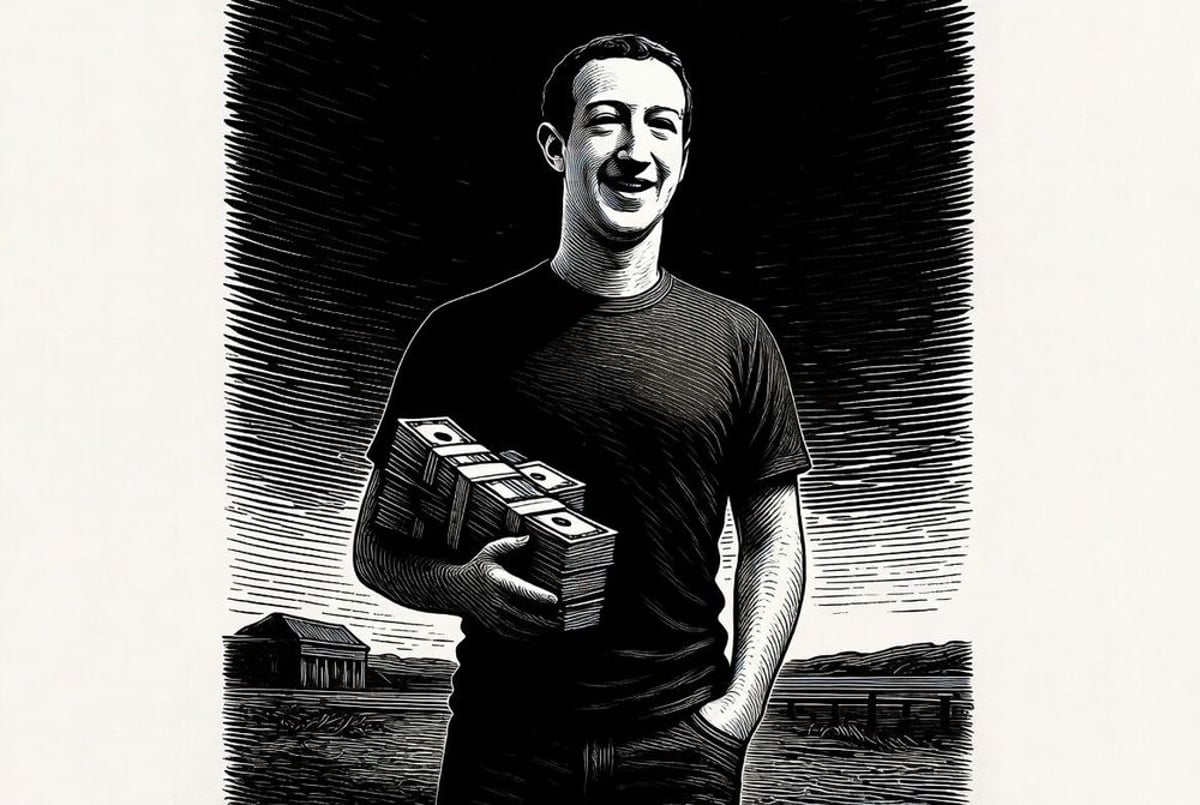
Financially the program makes sense. Meta paid creators roughly three billion dollars in 2025 through various monetization channels, a number that grew significantly year over year while remaining small relative to the company’s overall revenue. Spending at that scale functions as customer acquisition for content supply. The feeds stay lively, advertisers gain attention-grabbing inventory, and creators receive an additional distribution stream for work they already produced.
The deeper change lies in the direction of cultural flow. A decade ago creators built audiences on Facebook because the platform represented the central arena of online visibility. Today many creators establish their identity on TikTok or YouTube and then distribute outward. Facebook becomes one destination among several rather than the starting point.
The Role of Artificial Intelligence
Artificial intelligence amplifies this dynamic. Modern creation tools allow a single piece of content to be recorded once, automatically edited into multiple vertical formats, captioned, translated, and distributed across platforms within minutes. The friction that once kept ecosystems separate has largely disappeared. Under those conditions the decisive question becomes where trends originate and where audiences pay attention first.
Data from creator growth guides suggests that many Instagram Reels trends still trail TikTok by roughly one to two weeks. AI shortens the delay but does not eliminate the directional flow. Cultural signals still tend to appear earlier in the environment where younger audiences experiment most actively.
Demographics reinforce the shift. Facebook’s strongest engagement now clusters among users between their late twenties and mid-fifties, groups that possess significant purchasing power and remain attractive to advertisers. Younger users maintain accounts but often participate more actively elsewhere. In practical terms this means Facebook retains enormous commercial value even as the cultural center of gravity drifts.
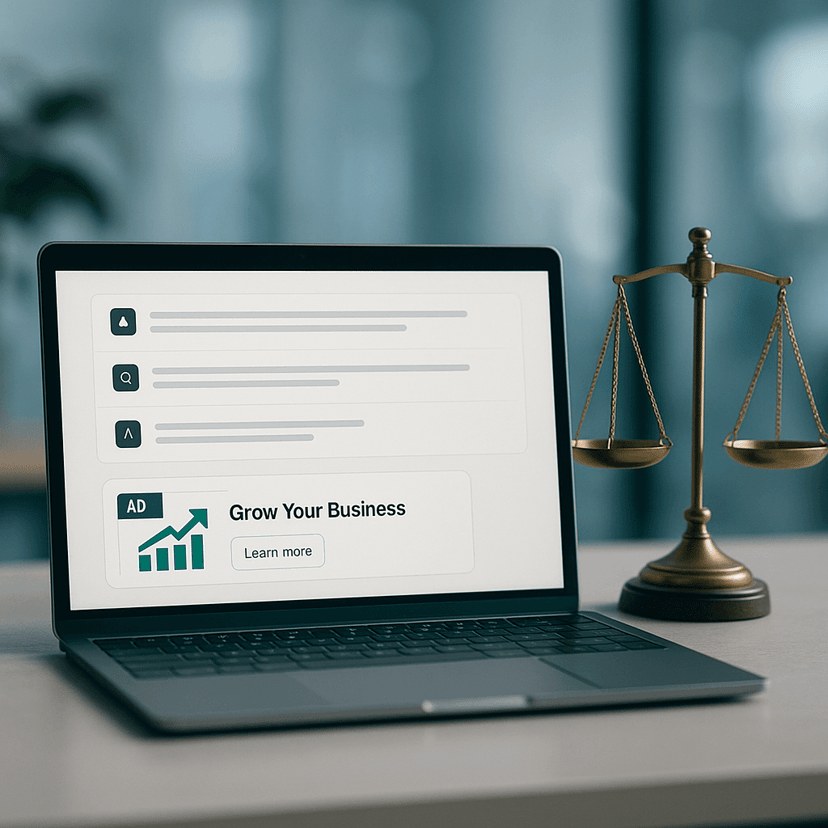
Meta’s strategy increasingly treats that reality as a feature rather than a problem. Advertising products such as “Reels trending ads” allow brands to place messages alongside popular content that circulates within the feed. The company positions itself as a powerful distribution layer capable of amplifying whatever videos capture attention across the wider internet.
Takeaways
From a business standpoint this approach is rational. Meta possesses unparalleled reach, mature advertising systems, and deep cash reserves. Paying creators and promoting viral formats keeps its platforms competitive while preserving the immense revenue generated by its user base.
The company’s role in the cultural ecosystem, however, has changed. Facebook once functioned as the central stage where creators, trends, and communities formed in public view. Today it often operates as a downstream amplifier that redistributes ideas born elsewhere. Meta’s financial strength ensures it remains influential, but the cultural engine driving the internet now runs across a broader set of platforms.