Remember when millions of Brits crashed the grid making tea at halftime? Nvidia thinks AI data centers could prevent that. The chipmaker just unveiled a vision for power-flexible AI factories that can ramp compute up or down in seconds, turning data centers from grid gluttons into stabilizing assets. It's a bold pitch as regulators and utilities wrestle with AI's exploding energy appetite.
Nvidia is pitching a surprising solution to the energy crisis gripping the AI boom - make data centers part of the cure, not just the problem. In a new blog post, the company laid out how power-flexible AI factories could become grid stabilizers rather than grid crushers, using the infamous 2021 England-Germany match as a case study in what happens when demand spikes unexpectedly.
The anecdote is telling. When halftime hit during the UEFA EURO 2020 match, millions of UK viewers simultaneously flipped on their kettles for tea. National Grid, which manages electricity for England and Wales, watched demand surge in a coordinated wave that required emergency response protocols. It's the kind of unpredictable load that keeps grid operators up at night - and it's getting worse as renewable energy adds variability to supply.
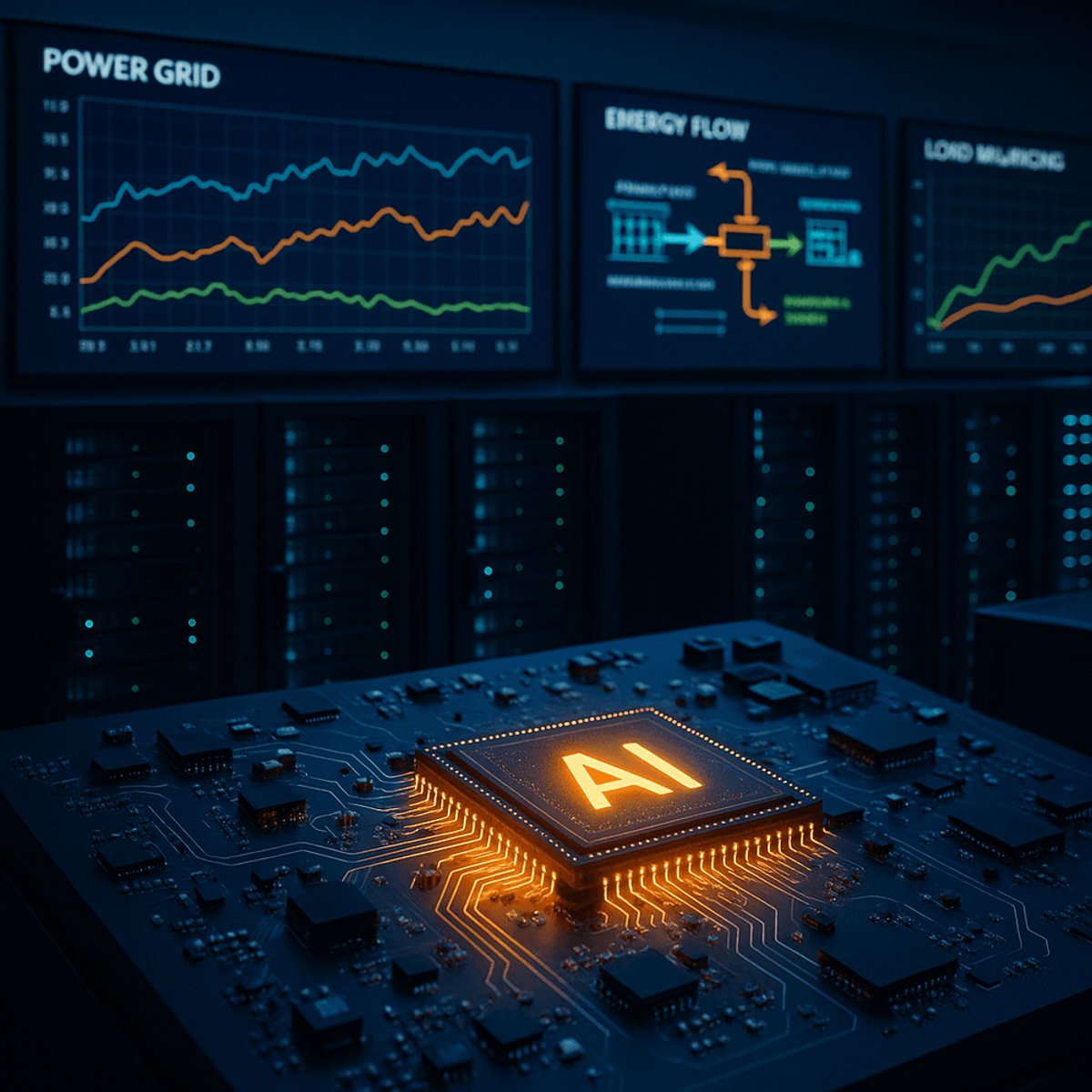
Nvidia's answer? AI data centers that can throttle their power consumption in real-time, absorbing excess capacity when it's available and backing off when the grid needs relief. The concept hinges on the flexibility of AI training workloads, which unlike mission-critical services can pause and resume without catastrophic consequences. A large language model training run can wait 30 seconds. Your hospital's power can't.
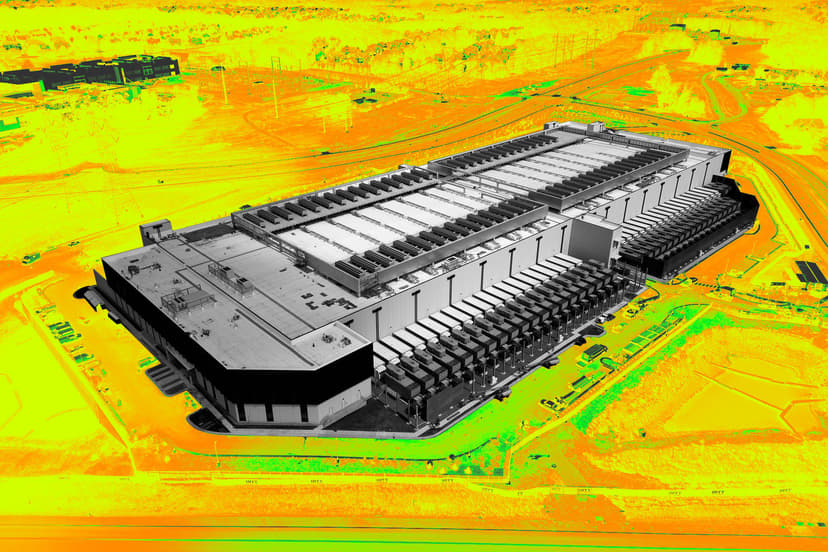
The timing isn't accidental. Data center power consumption has become a flashpoint as Microsoft, Google, and Meta race to build AI infrastructure. Virginia's Loudoun County, home to the world's largest concentration of data centers, is already bumping against transmission limits. Ireland's grid operator warned last year that new data center connections might need restrictions. Amazon recently had a $650 million data center deal collapse partly over power concerns.
Nvidia's pitch reframes the narrative. Instead of viewing AI factories as parasitic loads, the company argues they could provide demand response services that utilities desperately need. When wind generation oversupplies the grid at 3 AM, AI training ramps up and soaks the excess electrons. When evening demand peaks, those workloads dial back automatically, freeing capacity for homes and critical infrastructure.
The concept isn't entirely new - cryptocurrency mining operations have experimented with similar approaches, and some data centers already participate in demand response programs. But Nvidia's scale and influence could legitimize power flexibility as a core design principle for AI infrastructure rather than an afterthought. The company's GPUs power the vast majority of AI training globally, giving it unusual leverage to shape industry practices.
There are practical hurdles. Training runs that pause and restart face efficiency penalties. Coordinating thousands of GPUs to gracefully suspend work requires sophisticated orchestration software. And utilities need confidence that promised load reductions will actually materialize when called upon - the grid doesn't do trust falls.
But the economic incentives align surprisingly well. Grid operators pay substantial premiums for flexible capacity. AI companies already spend eye-watering sums on power - OpenAI reportedly burned through tens of millions in electricity costs training GPT-4. If power-flexible designs can access cheaper off-peak rates or even get paid for providing grid services, the return on investment could justify the engineering complexity.
Nvidia isn't alone in exploring this territory. Tesla has pitched using electric vehicle fleets as distributed grid storage. Google already shifts some compute workloads to data centers where renewable energy is abundant at specific times. But AI training represents an unusually large, concentrated, and potentially flexible load that could move the needle for grid operators.
The proposal also sidesteps thornier questions about AI's overall energy footprint. Making data centers grid-friendly doesn't reduce their total consumption - it just makes that consumption more compatible with renewable integration and grid stability. Environmental advocates argue the real solution is using less energy, not using it more cleverly. But in an industry where AI development shows no signs of slowing, clever might be the best available option.
For utilities grappling with the renewable transition, the concept offers intriguing possibilities. Solar and wind create predictable daily and seasonal patterns but with volatility that challenges grid management. Large, responsive loads that can absorb variability could be worth their weight in lithium batteries - which are expensive and have their own environmental costs.
The blog post arrives as Nvidia faces its own energy reckoning. The company's next-generation Blackwell GPUs draw massive power, and customers are designing liquid-cooled infrastructure to handle the thermal loads. Partners are building power substations specifically to feed AI campuses. Nvidia has every incentive to help customers and utilities make peace with AI's appetite.
Nvidia's power-flexible AI factory concept is equal parts pragmatic engineering and strategic positioning. As regulators scrutinize AI's energy demands and utilities struggle with renewable integration, reframing data centers as grid assets rather than liabilities could prove essential to the industry's growth. Whether the vision materializes depends on economics, software sophistication, and utility willingness to treat AI workloads as partners. But with data center power constraints already limiting AI expansion in key markets, the industry has strong motivation to make flexibility work. The alternative might be waiting in line behind everyone making tea.