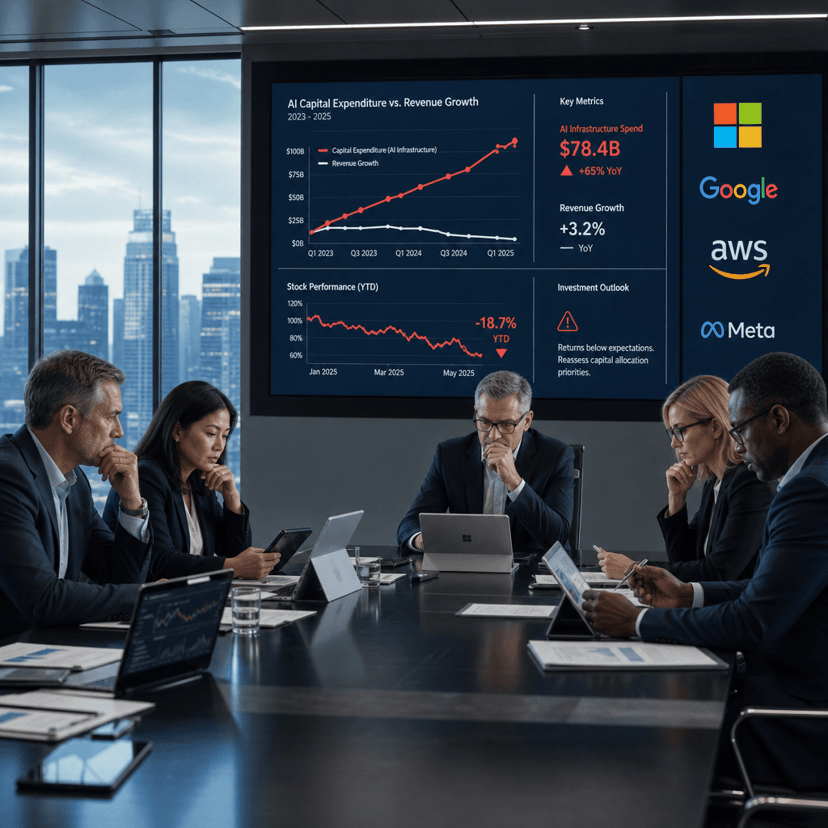
The Securities and Exchange Commission is drafting a proposal that would let public companies shift from quarterly earnings reports to twice-yearly disclosures, according to The Wall Street Journal. The move could fundamentally reshape how investors track tech giants like Apple, Microsoft, and Google while relieving administrative burdens on newly public startups. If approved, it would mark the biggest change to U.S. financial reporting requirements in decades, potentially ending the intense quarterly scrutiny that CEOs have long complained forces short-term thinking over long-term strategy.
The Securities and Exchange Commission is working on a proposal that could end the quarterly earnings ritual that's defined Wall Street for generations. According to The Wall Street Journal, regulators are exploring letting public companies move to semi-annual reporting, a shift that would have massive implications for how investors track everything from Apple iPhone sales to Microsoft cloud revenue.
The timing isn't random. For years, CEOs across the tech industry have complained that quarterly earnings cycles force them to optimize for three-month windows instead of multi-year bets. Amazon founder Jeff Bezos famously railed against short-term thinking in his annual shareholder letters, while Tesla CEO Elon Musk has openly feuded with analysts over quarterly guidance expectations.
But the pressure isn't just philosophical. Preparing quarterly 10-Q filings costs public companies an average of $1.2 million annually in compliance expenses, according to financial research firm Audit Analytics. For recently public companies still finding their footing, that's capital that could go toward R&D or hiring. The administrative burden has become one more reason startups delay IPOs or opt for private funding rounds instead.
The U.S. would be catching up to international norms if this goes through. European markets already operate on semi-annual reporting cycles, and the U.K. shifted away from mandatory quarterly reports back in 2014. Proponents argue the change hasn't hurt investor protections there, while companies gained breathing room to execute longer-term strategies without constant earnings call interruptions.
Still, the proposal is guaranteed to face pushback. Activist investors and short-sellers rely on quarterly data to spot trends and hold management accountable. Less frequent reporting could make it easier for companies to hide deteriorating fundamentals for months at a time. Retail investors, who've flooded into tech stocks over the past few years, might find themselves flying blind between earnings windows.
The debate cuts to the heart of how public markets should function. Should transparency mean constant updates, or does too much disclosure create noise that obscures real performance? Tech companies building AI infrastructure or developing new chips argue they need years, not quarters, to show results. Nvidia CEO Jensen Huang has pointed out that designing next-generation GPUs takes multi-year cycles that don't map neatly to 90-day increments.
For the thousands of private startups eyeing eventual IPOs, the proposal could change calculus around going public. One persistent complaint from founders is that public market scrutiny kills the kind of experimentation that defines early-stage companies. If reporting requirements lighten, the IPO window might look more attractive compared to staying private and raising from VCs.
The SEC hasn't released draft language yet, and any proposal would face a lengthy comment period before implementation. But the fact that regulators are seriously exploring this marks a significant shift in thinking. For decades, the trend has been toward more disclosure, more frequently. This would reverse that direction.
What happens next depends partly on how vocal opposition groups get. Expect investor advocacy groups to argue that semi-annual reporting protects companies at shareholders' expense. Corporate lobby groups will counter that European markets prove the model works. And somewhere in the middle, tech CFOs are already gaming out what their reporting calendars might look like without Q1 and Q3 earnings calls.
The proposal also arrives as the SEC faces pressure to modernize rules written for industrial-era companies that don't fit software businesses or AI labs. Quarterly revenue might matter for manufacturers moving physical goods, but what does it tell you about OpenAI training GPT-5 or Meta building the metaverse? Those bets play out over years, and forcing quarterly check-ins might do more harm than good.
Whether the SEC's proposal becomes reality will depend on how regulators balance corporate flexibility against investor protections. For tech companies arguing they need room to build without quarterly interference, this represents a potential win. For investors who've relied on regular disclosures to track their holdings, it's a step into murkier territory. Either way, the conversation signals that decades-old reporting frameworks are being questioned as markets evolve beyond the industrial model they were built for. If the proposal moves forward, expect months of debate before any changes take effect, but the direction is clear: the quarterly earnings treadmill might finally be slowing down.