The autonomous vehicle industry just got a reality check. New government documents reveal that Tesla and Waymo robotaxis, marketed as self-driving, still rely heavily on human operators to intervene remotely when their AI systems get confused. The disclosures, mandated by federal regulators, expose a significant gap between the companies' marketing promises of full autonomy and the operational reality of safety-critical human oversight that keeps these vehicles from getting stuck at intersections or making dangerous decisions.
The autonomous vehicle revolution isn't quite as autonomous as the marketing suggests. Government documents just pulled back the curtain on how much Tesla and Waymo still depend on human operators to bail out their AI systems when things go sideways.
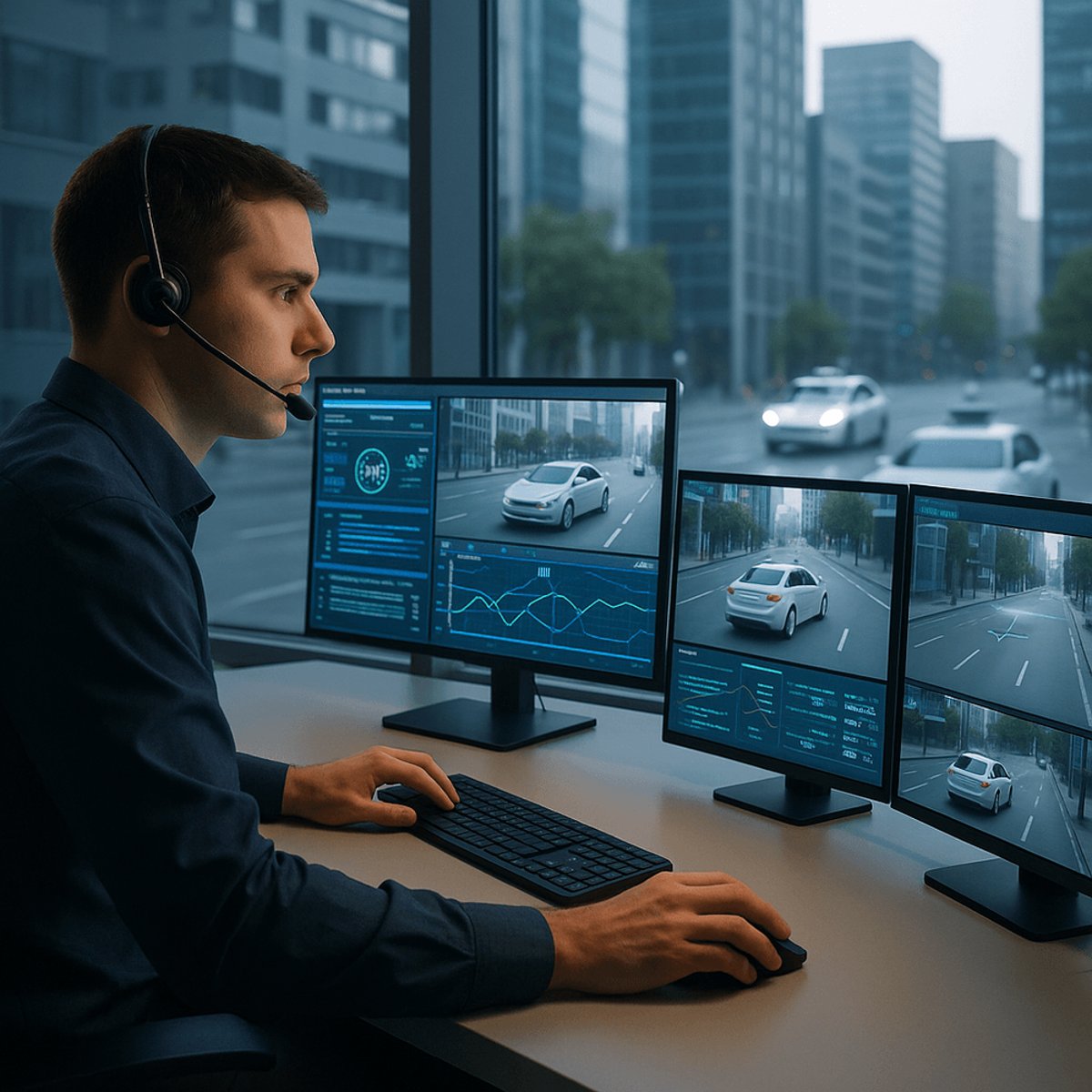
The filings, submitted to federal regulators, detail the companies' "remote assistance" programs - industry speak for the human operators who monitor robotaxi fleets and step in when the AI encounters situations it can't handle. Think construction zones, unusual traffic patterns, or that moment when a self-driving car just... stops and doesn't know what to do next.
For Waymo, owned by Alphabet, the documents show remote operators handle situations where vehicles need guidance on navigation decisions or encounter edge cases the AI hasn't been trained on. The company has been operating commercial robotaxi services in Phoenix, San Francisco, and Los Angeles, racking up millions of miles with paying passengers who might not realize there's often a human in the loop.
Tesla's disclosures focus on its upcoming robotaxi fleet, which CEO Elon Musk has promised will revolutionize transportation. But the documents reveal that even Tesla's next-generation autonomous system will need remote human oversight - a stark contrast to Musk's repeated claims that Tesla vehicles would achieve full self-driving capability.
The transparency push comes as federal safety regulators grow increasingly concerned about autonomous vehicle deployments. After several high-profile incidents involving robotaxis blocking traffic, colliding with emergency vehicles, and confusing pedestrians, the National Highway Traffic Safety Administration started demanding more detailed safety data from AV companies.
What's striking isn't that these companies use remote assistance - it's how little the public knew about it until now. The autonomous vehicle industry has carefully cultivated an image of cars that drive themselves, full stop. Marketing materials show empty driver's seats and passengers relaxing while vehicles navigate complex urban environments. The reality is messier: control rooms full of operators watching multiple vehicles, ready to intervene at a moment's notice.
Industry insiders argue remote assistance is a responsible safety measure, not a failure of autonomy. They point out that human operators don't actively drive the vehicles - they provide high-level guidance or confirm decisions when the AI is uncertain. It's more air traffic controller than taxi driver, they say.
But critics see something different: proof that current AI systems aren't ready for the unsupervised autonomy the industry has promised investors and the public. If robotaxis still need humans to function safely, are they really autonomous? And what happens when one remote operator is monitoring dozens of vehicles simultaneously?
The documents also raise questions about scalability. Remote assistance is expensive and labor-intensive. For autonomous vehicles to deliver on their economic promise - cheaper rides, more efficient transportation - they need to operate without human intervention. Every remote operator watching screens represents overhead that traditional ride-hailing companies don't have.
Waymo has been the most transparent about its remote assistance operations, even giving media tours of its operations centers. The company frames it as a mature safety practice, similar to how commercial aviation uses multiple redundant systems. Tesla, characteristically, has said less publicly, though the new government filings provide the most detailed look yet at its plans.
The disclosure requirements may reshape how autonomous vehicle companies communicate with the public. Investors and customers are starting to ask harder questions about timelines and capabilities. The gap between "autonomous" and "autonomous with human oversight" matters for safety, economics, and public trust.
What remains unclear from the documents is how often remote operators actually intervene, what situations trigger assistance requests, and whether these rates are improving as the AI systems learn. Those metrics would tell the real story about whether autonomous vehicles are getting more capable or whether human babysitters will remain a permanent feature of robotaxi operations.
These government disclosures mark a turning point in how the autonomous vehicle industry talks about its technology. The gap between marketing promises of full self-driving and the operational reality of constant human oversight isn't just a technical detail - it's central to whether robotaxis can deliver on their economic and safety promises. As regulators demand more transparency and deployments expand into new cities, the companies that level with the public about their limitations may ultimately build more trust than those clinging to visions of cars that never need help. The question now isn't whether autonomous vehicles need humans, but how long they'll need them and what that means for the revolution everyone's been promised.