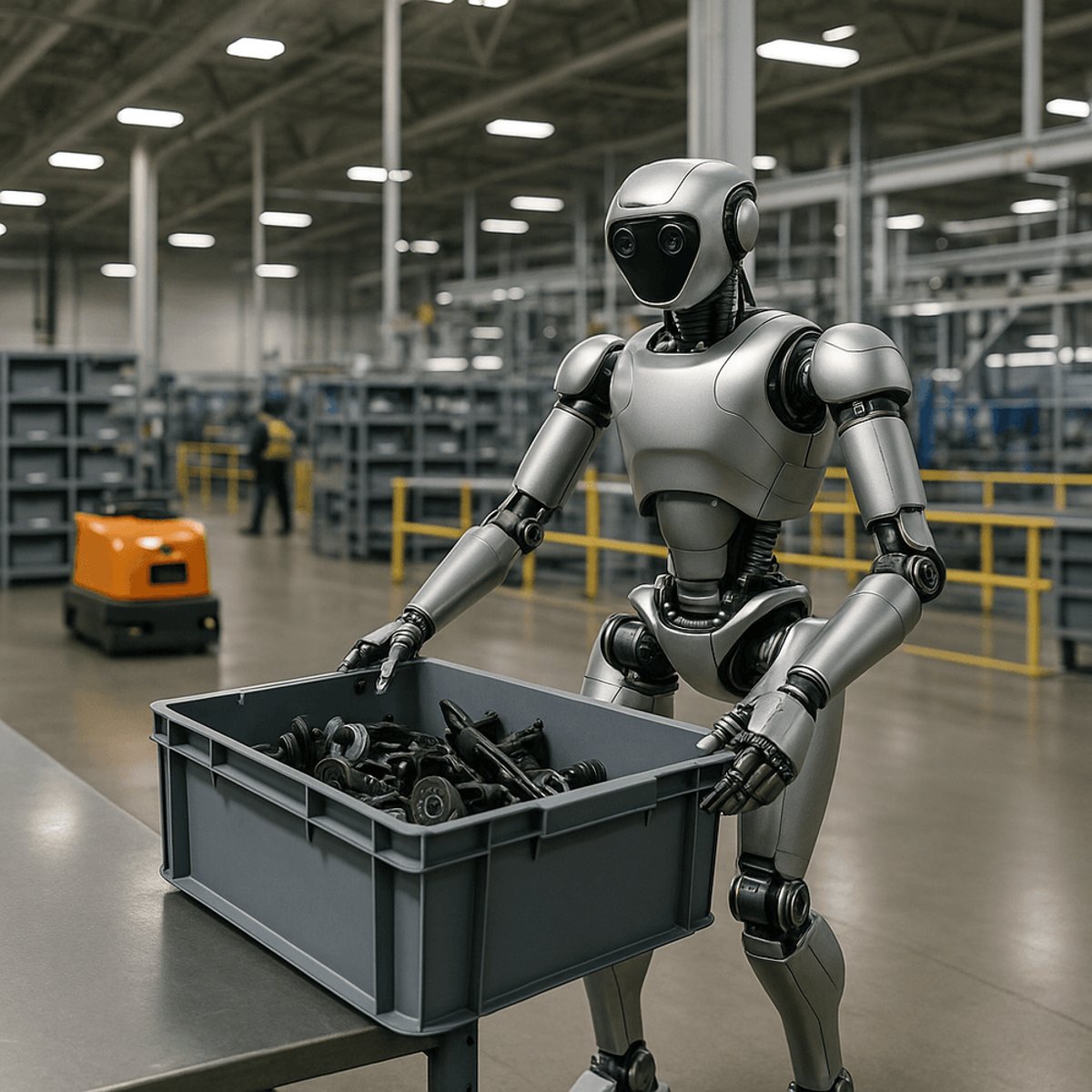
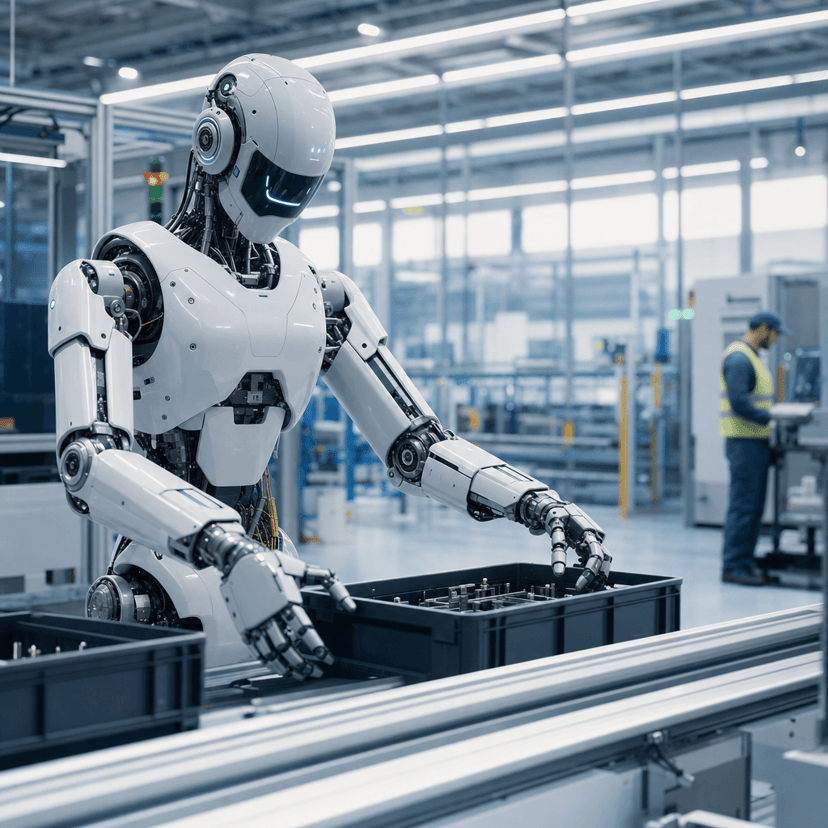
Toyota just made humanoid robots a factory floor reality. The automotive giant is deploying seven Agility Robotics humanoid robots at its Canadian manufacturing facility to handle parts logistics, marking one of the first large-scale deployments of bipedal robots in traditional automotive production. The robots will unload totes filled with auto parts from automated warehouse tuggers, a task that's been the domain of human workers since the assembly line was invented.
Toyota is bringing the future of manufacturing to life in Canada. The automaker's decision to deploy seven humanoid robots from Agility Robotics represents a watershed moment for an industry that's been watching humanoid robots from the sidelines while logistics giants like Amazon experimented with the technology.
The robots, Agility's Digit model, will handle a deceptively simple but physically demanding task: unloading totes full of auto parts from automated warehouse tuggers. It's the kind of repetitive work that causes injuries and turnover in human workers, but it's also been stubbornly resistant to traditional automation because it requires the flexibility to navigate human-designed spaces and handle unpredictable objects.
That's where humanoid robots shine. Unlike fixed robotic arms or specialized automated guided vehicles, Digit can walk, climb stairs, and manipulate objects in environments designed for people. The robot stands about five feet tall and can lift up to 35 pounds, making it well-suited for parts handling without requiring factories to redesign their layouts around the automation.
Agility Robotics has been building toward this moment for years. The Oregon-based company emerged from academic research at Oregon State University and has raised over $150 million to commercialize its humanoid platform. But landing Toyota as a production customer represents validation that humanoid robots are ready to move beyond pilot programs and warehouse trials.
The automotive industry has always been an automation leader, but it's also been cautious about deploying unproven technologies on production lines where downtime costs thousands of dollars per minute. Toyota's reputation for manufacturing excellence makes this deployment particularly significant. The company pioneered lean manufacturing and just-in-time production, so when Toyota bets on a technology, the rest of the industry pays attention.
Timing matters here. The humanoid robotics market is heating up fast, with companies like Tesla developing its Optimus robot, while startups like Figure AI and 1X race to commercialize their own platforms. Amazon has been testing Digit in its warehouses since 2022, but automotive manufacturing represents a more complex environment with higher quality standards and tighter tolerances.
The Canadian facility deployment suggests Toyota sees humanoid robots as complementary to human workers rather than wholesale replacements. Seven robots handling parts logistics on one line is a measured approach, allowing the company to validate the technology's reliability, maintenance requirements, and integration with existing workflows before expanding deployment.
Industry analysts expect the humanoid robotics market to grow from roughly $500 million today to over $6 billion by 2030, driven largely by labor shortages in manufacturing and logistics. Toyota's move accelerates that timeline by demonstrating that the technology is production-ready now, not in some distant future.
For Agility, the Toyota deal provides crucial validation as the company scales up production at its new manufacturing facility in Salem, Oregon. The company claims it can produce over 10,000 Digit robots annually once the facility reaches full capacity, but it needs blue-chip customers like Toyota to drive demand and prove the business model works.
The deployment also highlights how AI advancements are making humanoid robots practical. Digit relies on machine learning models to navigate environments, recognize objects, and adapt to variations in its tasks. As those models improve, the robot becomes more capable without hardware changes, following the same trajectory that's made software-defined everything the dominant paradigm in tech.
What remains unclear is how Toyota's workforce will respond. Automation has always been a sensitive topic in automotive manufacturing, where unions have fought to protect jobs even as companies pursue efficiency gains. Toyota will need to demonstrate that these robots genuinely improve working conditions rather than simply eliminating positions.
Toyota's deployment of seven Agility humanoid robots isn't just about automating one task at one factory. It's a signal that humanoid robotics has crossed the chasm from experimental technology to production tool. As labor shortages persist and AI capabilities improve, expect more manufacturers to follow Toyota's lead. The question isn't whether humanoid robots will become common on factory floors, it's how quickly the transition happens and whether companies can manage it without leaving workers behind. Toyota just accelerated that timeline considerably.