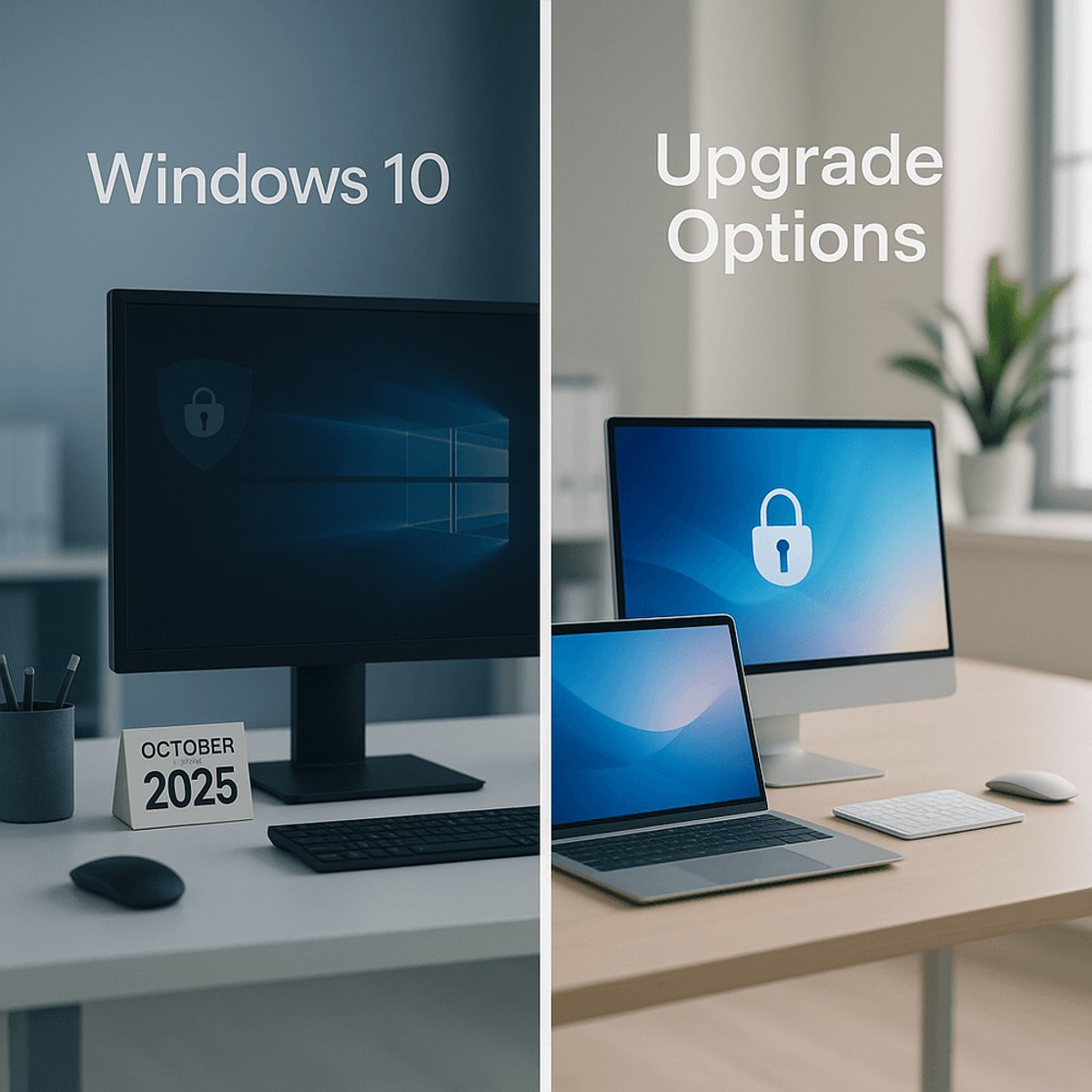
Microsoft officially pulled the plug on Windows 10 support on October 14, 2025, but here's the twist - more people are still running Windows 10 than Windows 11, despite the free upgrade. This leaves millions of users facing a critical decision about their computer's security and future functionality.
The clock has officially run out for Windows 10. Microsoft ended support for its decade-old operating system on October 14, marking the beginning of what could become a massive security headache for millions of users worldwide.
The numbers tell a surprising story. Despite Windows 11 being a free upgrade, StatCounter data shows more people globally are still running Windows 10 than its newer sibling. This massive user base now faces a stark reality - they're using an operating system that will never receive another security patch.
Microsoft's message is clear but blunt: upgrade to Windows 11 or buy new hardware. The company has drawn a hard line, leaving users with older machines in a digital no-man's land. But the reality on the ground is more complex than Microsoft's binary choice suggests.
The immediate impact won't be catastrophic. Windows 10 computers will keep running exactly as they did before October 14. Users won't wake up to broken systems or crashed applications. But security experts warn this calm before the storm won't last long.
"The real danger starts when the first major Windows exploit is discovered," explains cybersecurity researcher Sarah Chen. "After that, Windows 10 users become sitting ducks for ransomware attacks and other malicious activities that could have been prevented with a simple security update."
The security implications extend beyond the operating system itself. Third-party software developers typically follow Microsoft's lead, gradually dropping support for unsupported operating systems. Over time, this means Windows 10 users will find themselves locked out of new features in their favorite applications, or worse, unable to receive security updates for the tools they rely on daily.
For users whose hardware supports Windows 11, the path forward seems straightforward. The upgrade process is relatively painless - users can check compatibility through Windows Settings and initiate the free upgrade if their system meets the requirements. The process requires backing up important data, but Microsoft has streamlined the experience compared to previous Windows migrations.
However, hardware compatibility remains the biggest hurdle. Microsoft's Windows 11 system requirements include modern security features like TPM 2.0 chips that many older computers lack. While the basic requirements seem modest - 4GB RAM, 64GB storage, and a 1GHz processor - the security chip requirement has locked out countless otherwise capable machines.
This hardware gatekeeping has created an unexpected opportunity for alternative operating systems. Google's ChromeOS Flex offers a lifeline for older hardware, transforming aging Windows machines into Chromebook-like devices that can handle web-based tasks efficiently. The trade-off is significant though - users lose access to traditional Windows software in exchange for a browser-centric computing experience.
Linux presents another compelling alternative, particularly for users willing to invest time in learning a new system. Distributions like Linux Mint have prioritized user-friendliness, making the transition from Windows less daunting than it once was. The learning curve exists, but the payoff includes better performance on older hardware and freedom from corporate upgrade cycles.
The timing of Windows 10's end-of-life couldn't be more challenging for consumers. Economic uncertainty and potential tariff-driven price increases on computer hardware make the "just buy new hardware" solution less appealing for many households. This economic reality is pushing more users toward alternative solutions they might never have considered otherwise.
Enterprise users face additional complexity. Many businesses built their IT infrastructure around Windows 10, and the transition timeline has created significant budget pressure. Some organizations are exploring Microsoft's paid Extended Security Updates program as a bridge solution, though the costs can be substantial for large deployments.
The end of Windows 10 support marks more than just another Microsoft product transition - it's forcing millions of users to make decisions about their computing future. While Microsoft pushes users toward Windows 11 or new hardware purchases, the reality is that viable alternatives exist for those willing to explore them. Whether it's embracing the simplicity of ChromeOS Flex or diving into the flexibility of Linux, users have more options than Microsoft's official recommendations suggest. The key is acting before security vulnerabilities start piling up, turning today's functional Windows 10 machines into tomorrow's security liabilities.