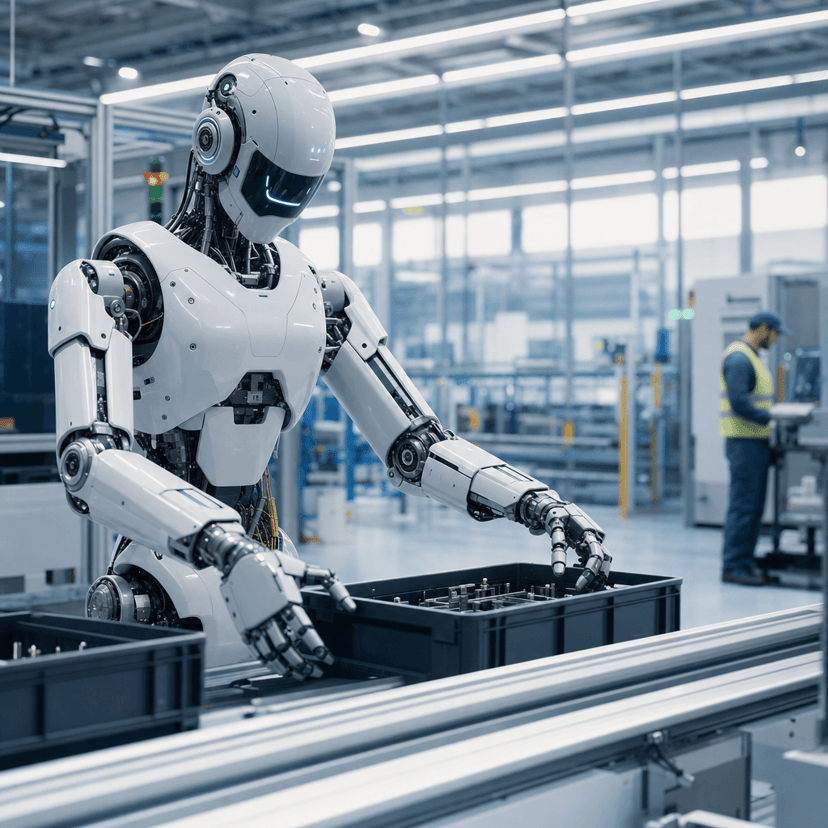
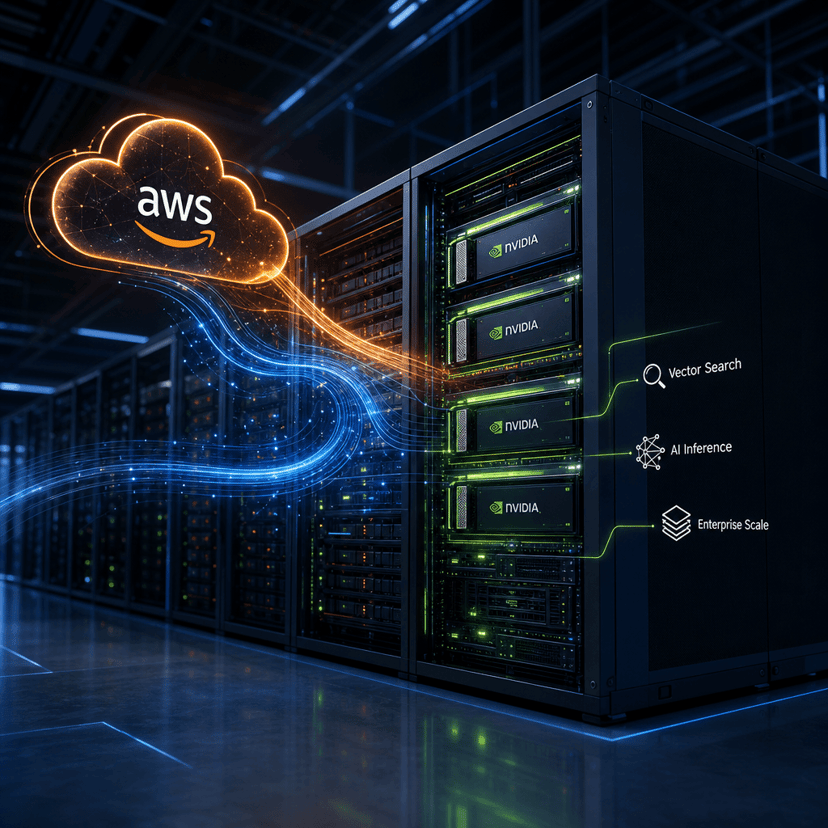
The AI economy just got real. In a striking revelation that shows just how fast AI is reshaping enterprise software, Databricks CEO Ali Ghodsi disclosed that AI agents now build 80% of the databases on the company's platform - not human engineers. Even more surprising? These aren't just tech companies racing ahead. The shift is happening across industries, signaling that AI-powered automation has crossed from experimental to operational at unprecedented scale.
Databricks just dropped the kind of metric that makes you rethink how fast the AI revolution is actually moving. Speaking with CNBC, CEO Ali Ghodsi revealed that AI agents now construct 80% of the databases on the company's platform. Not 8%. Not 18%. Eighty percent.
This isn't some futuristic demo or controlled pilot program. We're talking about real enterprise databases handling production workloads, built autonomously by AI systems with minimal human intervention. The shift represents a fundamental change in how companies architect their data infrastructure - and it's happening right now, not in some distant tomorrow.
What makes this even more significant is who's doing it. Ghodsi emphasized these aren't all tech companies leading the charge. Traditional enterprises across healthcare, finance, retail, and manufacturing are deploying AI agents to handle database construction - tasks that once required specialized data engineers and weeks of manual work. The implication is clear: AI automation has broken out of the tech bubble and infiltrated mainstream business operations.
Databricks sits at a unique vantage point to track this shift. As one of the largest data and AI platforms serving thousands of enterprise customers, the company processes workloads for organizations ranging from scrappy startups to Fortune 500 giants. When 80% of database creation shifts to AI agents across that customer base, it's not an anomaly - it's a seismic shift in how work gets done.
The timing of this revelation matters too. Databricks just closed a massive $5 billion funding round, pushing its valuation even higher and cementing its position as one of the most valuable private software companies. That capital is fueling the company's aggressive push into AI infrastructure, and these agent adoption numbers suggest the bet is paying off faster than anyone expected.
For context, database creation has traditionally been one of those technical tasks that required deep expertise. Data engineers would spend days or weeks designing schemas, optimizing performance, setting up pipelines, and ensuring everything integrated properly with existing systems. Now AI agents are handling that workflow autonomously - analyzing requirements, generating schemas, configuring infrastructure, and deploying databases ready for production use.
This automation wave creates interesting ripple effects across the enterprise software landscape. Companies like Microsoft, Amazon, and Google are all racing to embed AI agents into their cloud platforms and developer tools. But Databricks' numbers suggest the actual adoption is happening faster than even the hyperscalers might have anticipated. When 80% of workloads flip to AI-driven in a matter of months, that's not gradual digital transformation - that's a phase change.
The shift also raises questions about what happens to all those data engineering roles. Are we looking at displacement, or evolution? The early evidence suggests the latter. While AI agents handle the grunt work of database construction, human engineers are shifting focus to higher-level architecture decisions, governance, and strategic data initiatives. The work changes, but it doesn't disappear - it just moves up the value chain.
Ghodsi's comments come amid a broader conversation about enterprise AI adoption rates. While consumer AI tools like OpenAI's ChatGPT grab headlines, the real business transformation is happening in infrastructure layers like data platforms. This is where AI moves from chat interface to production system, autonomously managing the complex technical operations that keep modern businesses running.
The 80% figure also serves as a concrete counter-narrative to AI skeptics who argue enterprise adoption remains mostly talk. When a platform processing massive enterprise workloads reports that four out of five databases are now built by AI rather than humans, we're past the proof-of-concept phase. This is operational reality.
What comes next? If database creation has flipped this fast, what other enterprise workflows are on the cusp of similar transitions? Data pipeline construction, ETL processes, schema optimization, security configuration - all are candidates for AI agent takeover. Ghodsi's revelation suggests we're not looking at a slow, gradual automation curve. We're looking at step-function changes that happen faster than traditional enterprise software adoption cycles.
For Databricks specifically, this positions the company as not just a beneficiary of the AI wave but as infrastructure enabling it. As enterprises race to deploy their own AI agents and systems, they need robust data platforms underneath. The fact that Databricks' own platform is already majority AI-built creates a powerful proof point for enterprise buyers weighing their own AI infrastructure investments.
The AI economy isn't coming - it's already here, rewiring enterprise operations from the ground up. When 80% of databases on a major platform shift from human-built to AI-built in what amounts to a blink of an eye by enterprise standards, we're witnessing something unprecedented. This isn't just about Databricks or data platforms. It's a signal that AI agents have crossed from experimental novelty to operational necessity across industries. The companies treating this as future planning rather than present reality are already behind. The question now isn't whether AI will automate core enterprise workflows, but how fast the remaining 20% flips - and what workflows are next in line.