The AI gold rush has spawned a dangerous new criminal enterprise. Two recent cargo heists in California mark an alarming shift - organized crime rings are now using violence to steal AI servers and data center equipment, according to security experts tracking the trend. The incidents reveal how the explosive demand for AI infrastructure has created a black market lucrative enough to warrant armed robberies.
Nvidia chips and AI servers have become so valuable that criminals are willing to spill blood to get them. Security experts are sounding alarms after two recent California incidents showed criminal organizations deploying unprecedented violence to intercept data center-bound shipments.
The cargo theft landscape has fundamentally changed. What used to involve opportunistic truck heists now resembles coordinated military operations. Industry veterans who've tracked supply chain crime for decades say they've never seen anything like the current wave targeting AI infrastructure.
'The worst I've ever seen' is how one security expert characterized the recent California incidents to Wired. The phrase captures both the sophistication of the operations and the willingness to use force - a combination that's rattling the logistics industry.
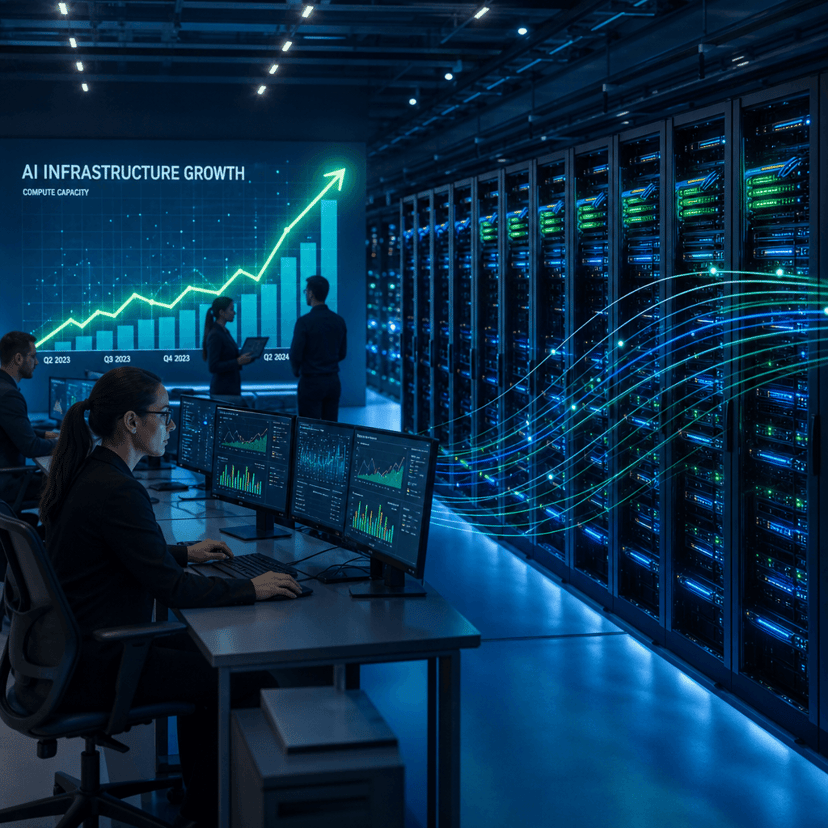
The timing isn't coincidental. AI server demand has outpaced supply since late 2023, creating a perfect storm for organized crime. Data centers are scrambling to secure hardware for training large language models, and that desperation has inflated black market prices to levels that justify extreme risk. A single truckload of high-end servers can be worth millions, making it more valuable than traditional cargo theft targets like electronics or pharmaceuticals.
California has emerged as ground zero for this new threat. The state hosts massive data center operations from Google, Meta, and dozens of AI startups, creating dense shipping routes that criminals have learned to exploit. The recent incidents suggest organized rings are tracking specific shipments, possibly through insider information or sophisticated surveillance.
What sets these heists apart is the planning involved. Traditional cargo theft often involves stealing unattended trucks or using fake credentials. The California cases show thieves willing to confront drivers directly, armed and prepared for resistance. It's a troubling evolution that suggests the rewards have become too attractive to ignore.
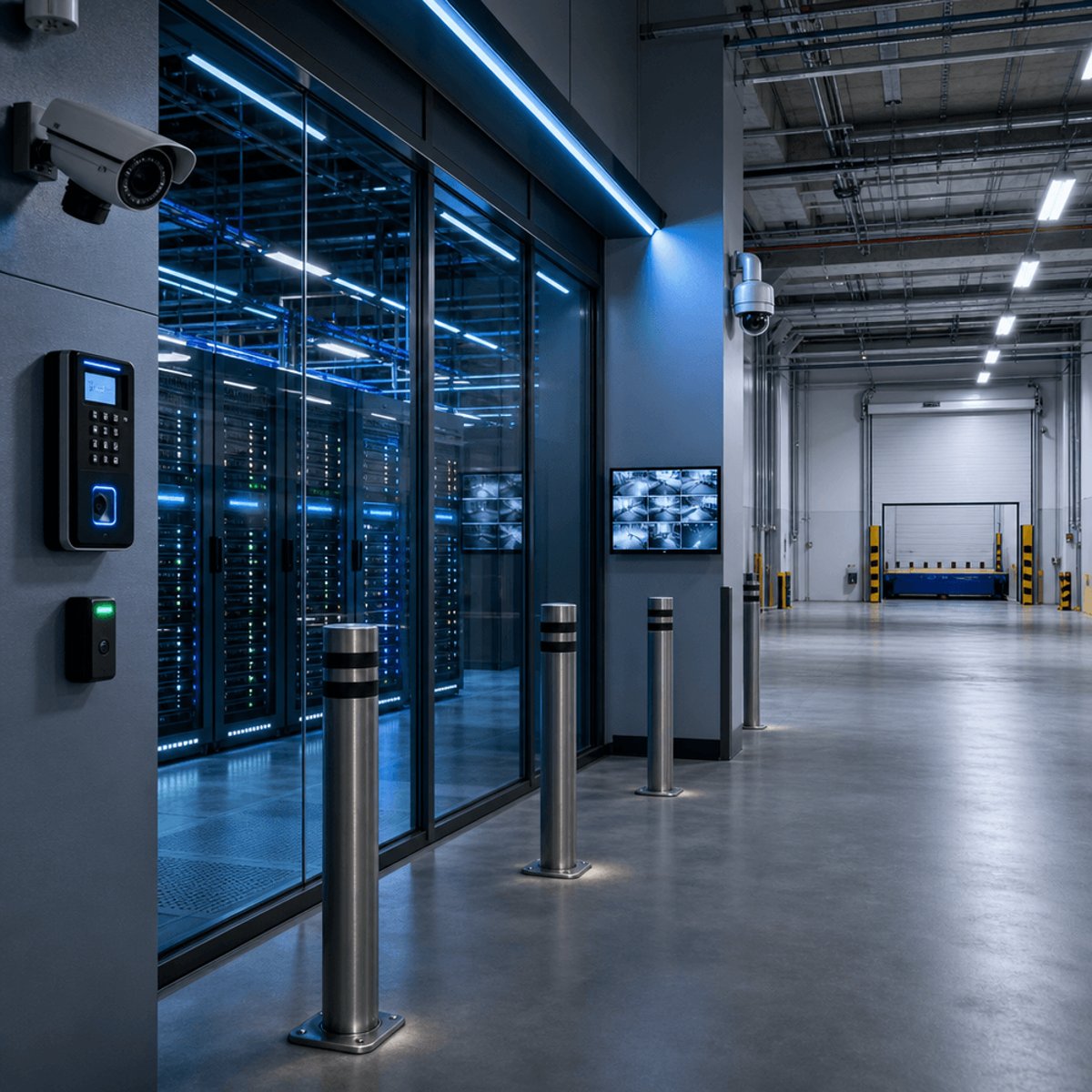
Logistics companies are now treating AI hardware shipments like armored car deliveries. Some have started using decoy trucks, GPS trackers embedded in equipment, and armed security escorts for high-value loads. But the cat-and-mouse game favors criminals who only need one successful heist to turn massive profits.
The black market for stolen AI equipment operates in murky territory. Unlike stolen phones or laptops, servers can be difficult to trace once they're stripped of serial numbers and sold through intermediaries. Some equipment likely ends up in overseas markets where provenance questions aren't asked. Other gear gets resold to smaller data centers or companies willing to look the other way for below-market prices.
Law enforcement faces challenges unique to tech hardware theft. Proving equipment is stolen requires detailed serial number tracking that many companies don't maintain rigorously. By the time a theft is discovered and reported, the hardware may have changed hands multiple times across state or international borders.
The violence escalation worries security professionals most. If thieves believe drivers won't resist, incidents remain property crimes. But armed confrontations create scenarios where people get hurt, transforming supply chain security into a public safety crisis. Insurance companies are already responding, with some carriers reportedly increasing premiums or refusing to cover AI hardware shipments without enhanced security measures.
Data center operators caught in the middle face impossible choices. Delays in receiving equipment mean lost revenue and competitive disadvantage in an industry where weeks matter. But rushing shipments without proper security invites exactly the kind of theft that's become epidemic. Some companies have started manufacturing their own chips or components on-site to reduce supply chain exposure entirely.
The violent turn in AI hardware theft signals how deeply the chip shortage has warped incentives across the supply chain. Until manufacturers can meet demand or law enforcement develops better tracking systems, logistics companies will operate in a heightened threat environment that treats every server shipment like a high-value target. For an industry built on moving fast and breaking things, the physical security of the infrastructure powering AI has become an unavoidable bottleneck - one that's now measured in both dollars and danger.