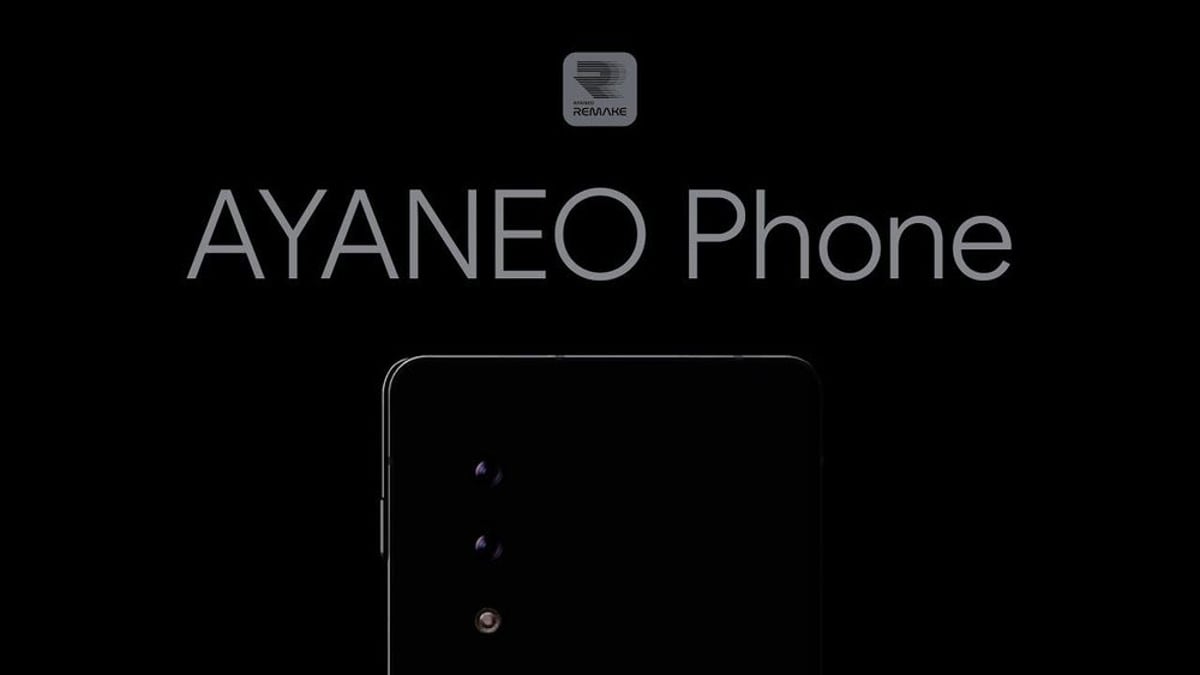
Gaming handheld specialist Ayaneo has officially confirmed its first smartphone is coming, potentially reviving the forgotten art of built-in gaming controls. The company dropped a teaser video showing glimpses of what could be the first phone with integrated shoulder buttons since Sony's Xperia Play died over a decade ago.
The gaming handheld world just got a lot more interesting. Ayaneo, the company behind some of the most creative retro-inspired gaming devices, has confirmed it's building its first smartphone - and it might actually have the gaming controls everyone's been waiting for.
The teaser video offers tantalizing glimpses of what appears to be a pretty standard rectangular device at first glance. But look closer and you'll spot dual cameras positioned in the top-left corner, plus what industry watchers are identifying as shoulder buttons. That detail alone has Android Central speculating we might see a sliding design reminiscent of the Sony Xperia Play, where gaming controls hide beneath the screen until you need them.
The timing makes perfect sense when you consider Ayaneo's trajectory. The company first teased this phone concept back in August during their dual-screen Pocket DS reveal event. Since most of their gaming handhelds already run custom Android builds, adding cellular connectivity isn't exactly rocket science.
But here's what makes this potentially game-changing: the current gaming phone landscape is frankly boring when it comes to controls. Companies like Asus and Black Shark focus on high-end chips and cooling systems, treating gaming phones like regular smartphones with better specs. Physical controls get relegated to clunky accessories that most people never actually buy or use.
Ayaneo could flip that script entirely. The company has built its reputation on understanding what gamers actually want - tactile buttons, ergonomic designs, and that satisfying click feedback that touchscreens simply can't replicate. Their handhelds consistently nail the balance between nostalgia and modern functionality.
The market timing isn't accidental either. Mobile gaming revenues hit new records this year, but the experience remains frustrating for serious gamers. Touch controls work fine for casual puzzle games, but try playing a first-person shooter or platformer on glass and you'll quickly understand why physical buttons matter.
Of course, we're still working with limited information. The teaser video deliberately keeps things mysterious, and Ayaneo hasn't dropped any hints about specifications, pricing, or most importantly for US consumers, availability. The company's previous devices have had mixed international rollouts, so don't start planning your upgrade just yet.
What's clear is that someone finally remembers why the Xperia Play was ahead of its time. Sony's 2011 experiment failed partly because mobile gaming wasn't ready for serious titles, but also because the execution felt clunky. Over a decade later, with mobile chips that can handle console-quality games and a company that actually understands gaming hardware, the concept might finally have its moment.
Industry watchers are already drawing comparisons to the broader gaming hardware renaissance we're seeing. The Steam Deck proved there's appetite for specialized gaming devices, while companies like Ayaneo have carved out successful niches with their retro-focused handhelds. A gaming phone that actually prioritizes the gaming experience could tap into both trends.
Whether Ayaneo can succeed where Sony failed over a decade ago remains to be seen, but the company's track record with gaming hardware and the current mobile gaming boom suggest the timing might finally be right. If they can actually deliver integrated gaming controls without sacrificing phone functionality, they might just crack a problem the entire industry has been ignoring for years.