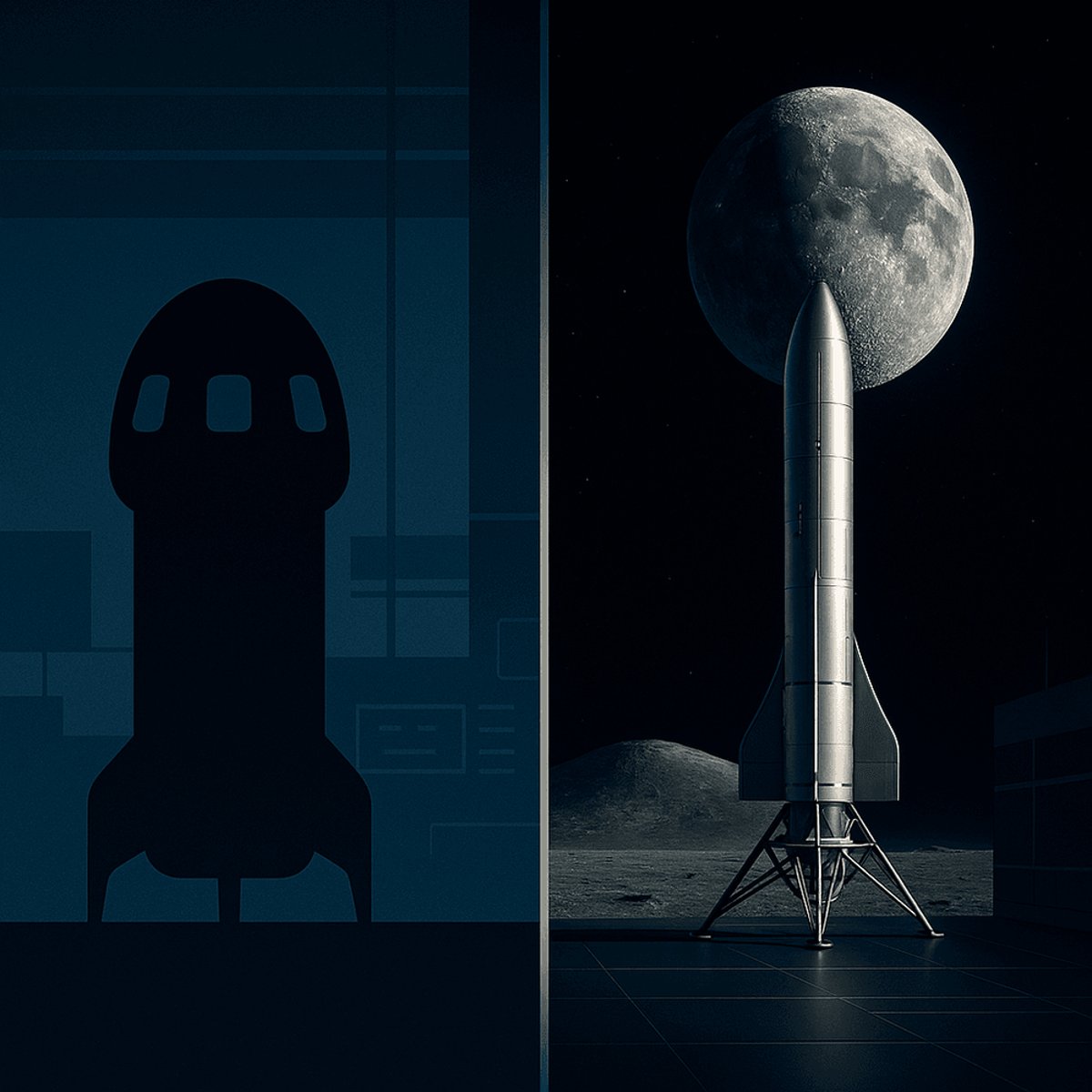
Jeff Bezos' Blue Origin just hit pause on its space tourism business. The company announced Friday it's suspending New Shepard flights for at least two years to redirect resources toward lunar missions, betting big on President Trump's push to put astronauts back on the moon before his term ends. It's a calculated gamble that sidelines a revenue-generating program in favor of chasing lucrative government contracts and a permanent lunar presence.
Blue Origin is trading tourist thrills for lunar ambitions. The Jeff Bezos-backed space company announced Friday it's suspending its New Shepard suborbital tourism program for "no less than two years" to concentrate every available resource on upcoming moon missions. It's a dramatic strategic shift that puts a profitable program on ice to chase what could be far more lucrative government contracts.
The timing isn't accidental. President Donald Trump has been leaning hard on NASA since returning to office, demanding astronauts reach the lunar surface before his second term wraps up. That aggressive timeline has cracked open opportunities for aerospace companies beyond SpaceX to compete for missions that could reshape America's space program. "The decision reflects Blue Origin's commitment to the nation's goal of returning to the Moon and establishing a permanent, sustained lunar presence," the company said in Friday's announcement.
Blue Origin has been running New Shepard tourist flights since 2021, when Bezos himself rode the rocket past the Kármán line. The program's grown into a steady operation, flying 38 missions that carried 98 humans to space along with more than 200 scientific payloads. Each flight delivers about four minutes of weightlessness in the company's capsule before passengers return to Earth. It's been a cash generator and a marketing showcase, but it's also a distraction from bigger prizes.
The company's third New Glenn mega-rocket launch is scheduled for late February, and that's where Blue Origin's real bet lies. The company had hinted the third New Glenn mission would carry its robotic lunar lander toward the moon, though that spacecraft is still being put through its paces at NASA's Johnson Space Center in Texas. Getting that lander operational and proving New Glenn's reliability could position Blue Origin as a serious contender for crewed lunar missions.
New Shepard made history as the first rocket to reach space and land vertically back on Earth, beating SpaceX to that milestone over a decade ago. But unlike SpaceX's Falcon 9, New Shepard was never designed to reach orbit. That's limited its commercial applications to tourism and research payloads - useful, but not game-changing. The rocket's been sidelined before, most notably after a booster explosion during a 2022 uncrewed flight. No one was hurt thanks to the capsule's emergency ejection system, but New Shepard stayed grounded until late 2023 while engineers identified and fixed the problem.
This pause is different. It's strategic, not reactive. Blue Origin is reading the political winds and making a calculated move to align with Trump's accelerated lunar timeline. The administration's pressure on NASA has effectively opened up competition that SpaceX had been dominating, particularly around the Artemis program designed to establish sustainable lunar operations. Contracts for landers, cargo delivery, and eventually crewed missions could be worth billions.
The risk is real though. Blue Origin is walking away from a proven revenue stream and brand-building operation. Space tourism, while niche, generates headlines and paying customers. Lunar missions are far more complex, expensive, and dependent on government contracts that can shift with political priorities. If New Glenn's upcoming launches hit snags or the lunar lander development drags, Blue Origin could find itself stuck between programs with nothing flying.
But the company clearly believes the upside is worth it. Establishing a permanent lunar presence isn't just about prestige - it's about positioning for the next era of space infrastructure. If Blue Origin can prove its hardware works reliably and meet aggressive timelines, it stands to grab a major piece of America's return to the moon. That's a bigger prize than flying wealthy tourists to the edge of space, even if it means grounding New Shepard for the foreseeable future.
Blue Origin's two-year tourism pause is a high-stakes bet on lunar ambitions over proven revenue. By aligning with Trump's accelerated moon timeline, the company's positioning to compete for lucrative NASA contracts that could define the next decade of space exploration. But it's also walking away from a program that's delivered consistent flights and brand visibility. Whether this gamble pays off depends on New Glenn's reliability and how quickly Blue Origin can deliver working lunar hardware. For now, the message is clear - Bezos is playing the long game, and suborbital tourism is taking a backseat to the moon.