A federal judge just ordered ICE agents in Chicago to wear body cameras during immigration enforcement operations, highlighting growing demands for accountability technology in law enforcement. Judge Sara Ellis's ruling comes as the government shutdown complicates tech procurement and deployment logistics.
Judge Sara Ellis just dropped a tech accountability bombshell on federal immigration enforcement. The Federal District Court judge ordered ICE agents operating in Chicago's "Operation Midway Blitz" to wear body cameras during all enforcement activities, according to hearing transcripts from AP News.
But there's a catch - the logistics are a mess. Chicago wasn't included in earlier ICE body camera programs, meaning agents literally don't have the equipment. The ongoing government shutdown makes acquiring and deploying new tech even more complicated. "I would not require people to turn on a body camera that they don't have," Ellis told Department of Justice lawyer Sean Skedzielewski, as reported by Chicago Sun-Times federal courts reporter Jon Seidel.
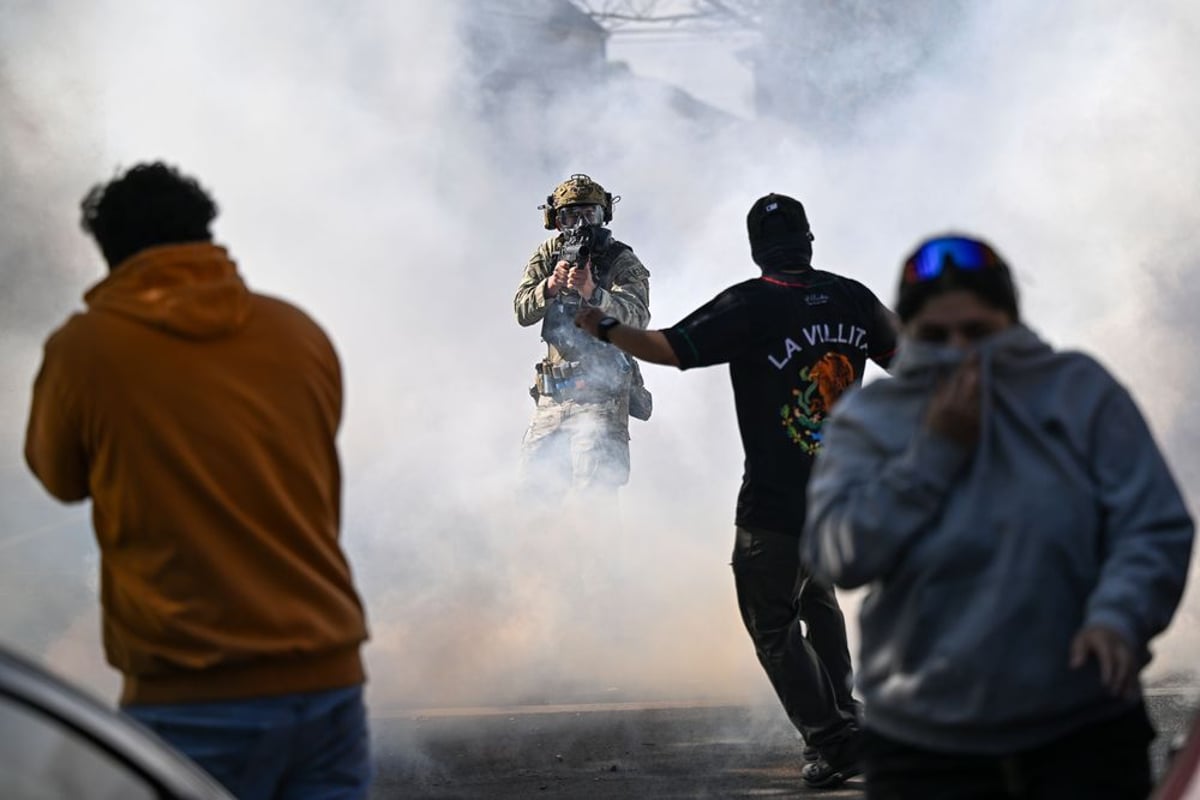
The ruling expands a temporary restraining order Ellis issued last week that limited ICE's use of riot control weapons like pepper spray and tear gas. These tactics were being routinely used against protesters and journalists, creating what Ellis called a "troubling pattern" of escalation.
Ellis showed little patience with government arguments about resource constraints. When Skedzielewski complained about the "tremendous amount of resources" required to review hours of body camera footage after each incident, Ellis shot back: "There's, you know, a simple way to not have to do that though, right?"
The exchange highlights a broader tension between law enforcement agencies and accountability technology. ICE agents have been documented using aggressive tactics while wearing face masks and no identifying badges - precisely the behavior body cameras are designed to prevent.
Ellis expressed being "profoundly concerned" that her earlier orders weren't being followed and summoned the director of ICE's Chicago field office to appear in court Monday. CNN reports that Ellis told the government lawyer "I'm not happy" with "evident exasperation in her voice."
The judge's frustration stems from recent incidents where ICE agents tear-gassed crowds without warning and intentionally crashed into a car in a residential neighborhood during pursuit operations.
This case represents a rare judicial intervention forcing federal agencies to adopt accountability technology. Most body camera deployments happen through policy changes or budget allocations, not court orders. The procurement challenges Ellis acknowledged - equipment shortages, training requirements, video storage infrastructure - mirror obstacles police departments nationwide have faced during body camera rollouts.
The timing couldn't be worse for implementation. Government shutdowns typically freeze non-essential technology purchases, meaning ICE may need emergency procurement authority to comply with Ellis's order. This creates an unusual situation where a judge is essentially forcing federal spending on surveillance technology during a budget standstill.
Ellis's order represents a unique intersection of judicial authority and technology accountability. While body cameras have become standard in many police departments, federal immigration enforcement has largely operated without such oversight. The judge's mandate creates immediate procurement and deployment challenges, but establishes important precedent for court-ordered technology adoption in federal law enforcement. Whether ICE can actually implement the technology during a government shutdown remains the critical question heading into Monday's hearing.