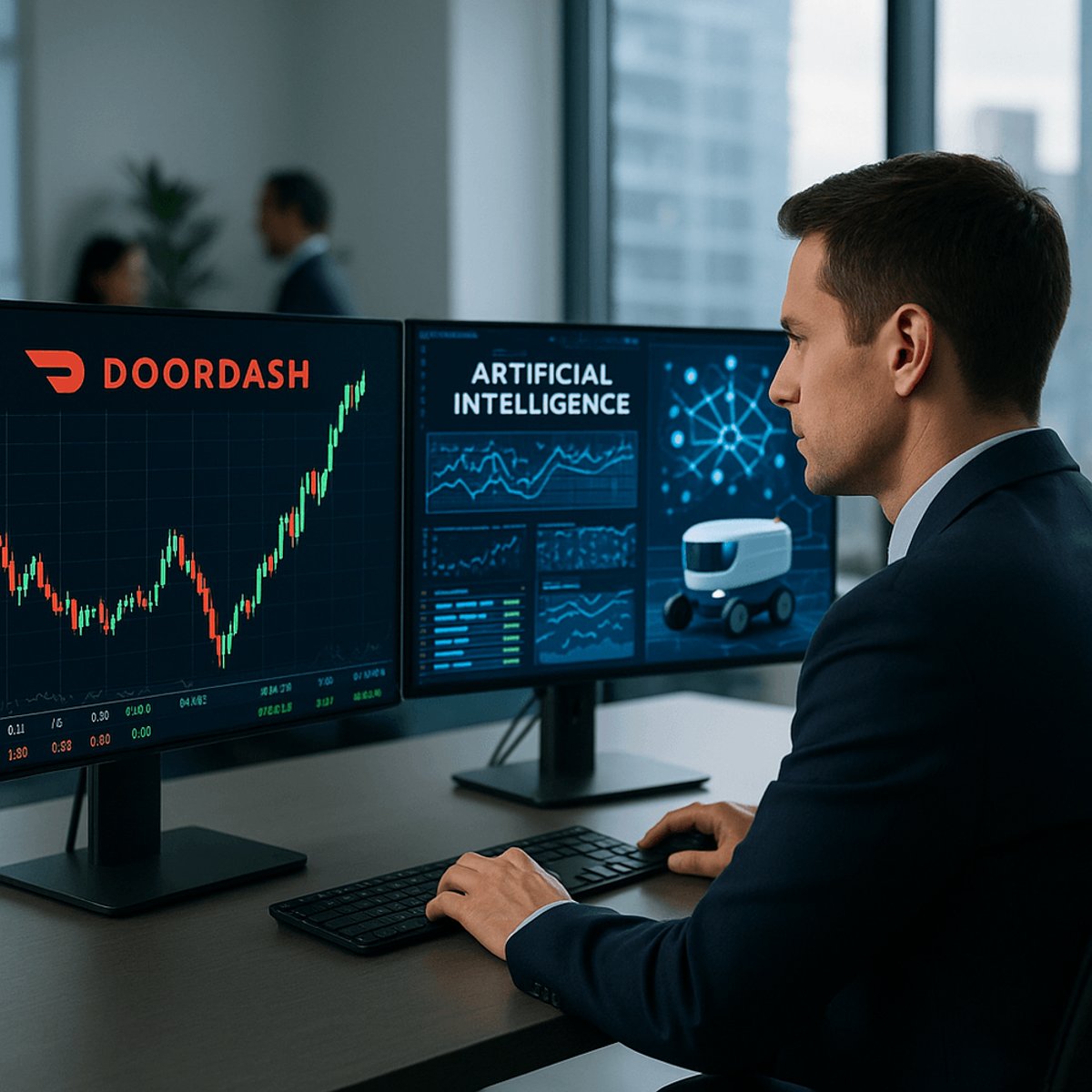
DoorDash shares just pulled off one of the wildest rides in recent earnings season. After initially plunging on a Q4 2025 earnings and revenue miss, the delivery giant's stock reversed course to close up 10% as investors digested the company's ambitious artificial intelligence and autonomous delivery roadmap. The dramatic 18-point swing from trough to peak reveals deep uncertainty about whether DoorDash's heavy tech investments will pay off in an increasingly competitive market.
DoorDash just gave investors whiplash. The food delivery platform's stock tumbled in after-hours trading Wednesday following a Q4 2025 earnings report that missed Wall Street's expectations on both the top and bottom lines. But by market close, shares had completely reversed course, climbing 10% as traders reconsidered the company's long-term AI strategy.
The dramatic swing underscores the tension at the heart of DoorDash's evolution. The company is pouring resources into artificial intelligence and autonomous delivery technology at a moment when investors are scrutinizing every dollar of tech spending. According to the CNBC report, concerns about these ambitious investing plans dominated post-earnings discussions.
The earnings miss itself wasn't catastrophic, but it arrived at an awkward time. Food delivery margins remain razor-thin, and competitors like Uber Eats and regional players are fighting for the same restaurant partnerships and driver pools. DoorDash's bet is that AI-powered routing, demand prediction, and eventually autonomous vehicles will create a sustainable competitive moat. Wall Street isn't convinced yet.
What changed between the initial selloff and the closing bell? Analysts who dug into the earnings call transcripts found more substance to DoorDash's AI roadmap than the headline numbers suggested. The company appears to be using machine learning to optimize delivery routes in real-time, potentially shaving minutes off average delivery times. Those efficiency gains could translate directly to margin expansion if they scale.
The autonomous delivery piece is trickier. DoorDash has been testing robot deliveries and partnerships with self-driving vehicle companies, but the technology remains expensive and geographically limited. Investors who bought the dip Wednesday seem to be betting that these investments will pay off within the next 18-24 months, not years down the road.
This isn't the first time delivery platforms have faced investor skepticism over spending. Instacart saw similar volatility after revealing its own AI investments last year. The difference is that DoorDash is making these bets from a position of market leadership in the U.S., controlling roughly 60% of food delivery market share according to recent industry estimates.
The stock's recovery also reflects a broader recalibration of how markets value AI spending. Six months ago, any mention of increased tech investment would have sent shares soaring. Today, investors want to see clear paths to ROI. DoorDash apparently provided enough detail to satisfy that scrutiny, at least for one trading session.
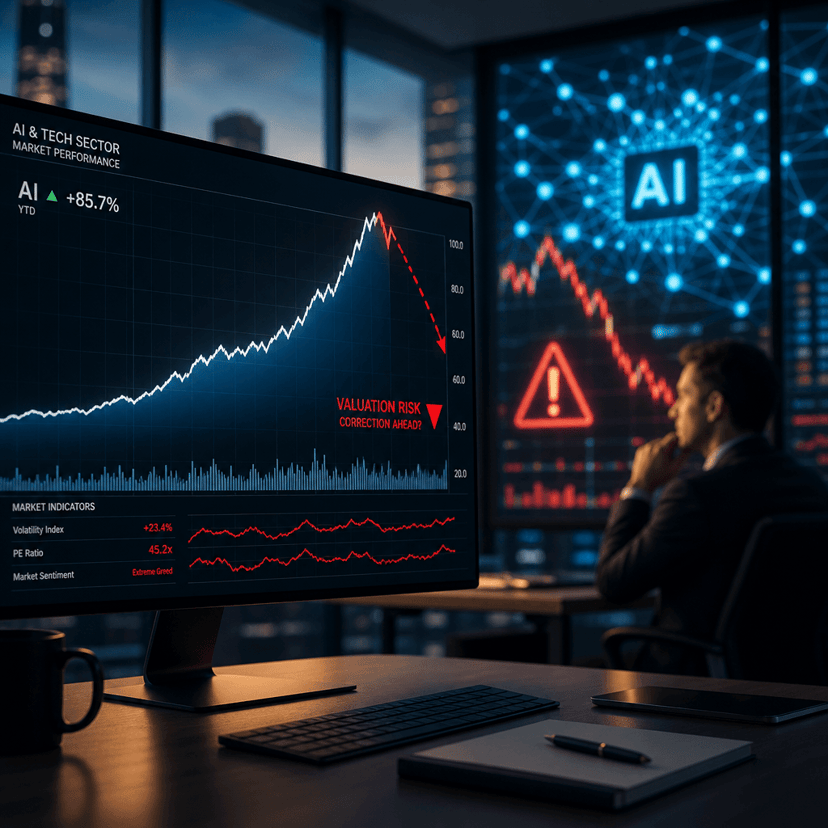
But the 18% intraday swing from low to high tells you everything about the uncertainty baked into this story. Food delivery economics are still challenging. Driver costs keep rising. Restaurant commissions face regulatory pressure in multiple cities. And now DoorDash is betting big that AI and autonomous tech can solve problems that operational excellence hasn't fully addressed.
The company's Q4 performance matters less than what comes next. Can AI-powered systems actually reduce delivery times enough to justify the investment? Will autonomous vehicles work in dense urban environments where DoorDash does most of its business? And critically, can the company maintain its market share lead while shouldering these R&D costs?
Competitors are watching closely. If DoorDash's AI bets pay off, expect Uber and others to accelerate their own technology investments. If the spending drags down margins without delivering clear customer benefits, the entire sector could face a reckoning about sustainable business models.
DoorDash's wild Wednesday reveals the high-stakes gamble playing out across the delivery sector. The company is betting that AI and autonomous technology can transform unit economics in a business that's always struggled with profitability. Investors gave management the benefit of the doubt this time, but the 18% intraday swing shows how fragile that confidence remains. The next few quarters will determine whether DoorDash's tech spending is visionary investment or expensive distraction. For now, the market is cautiously optimistic, but one more earnings miss could send those gains evaporating just as quickly as they appeared.