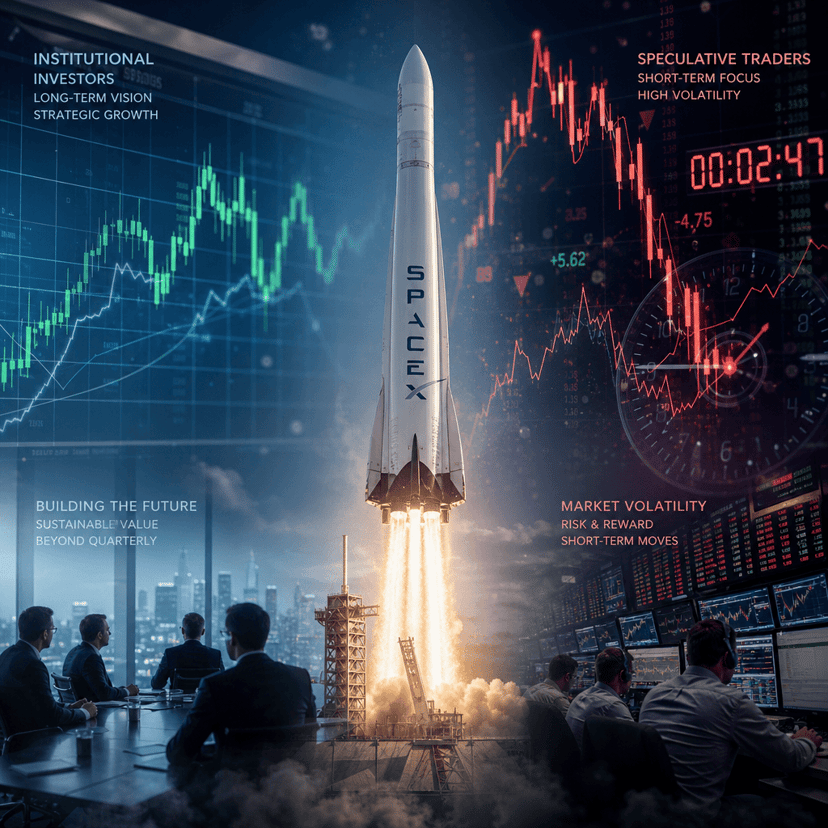
DoorDash shares plunged 8% in after-hours trading Wednesday after the delivery platform reported disappointing fourth-quarter results, triggering fresh investor anxiety over the company's ambitious push into artificial intelligence and autonomous delivery technology. The selloff marks a sharp reversal for a stock that had rallied on delivery growth expectations, but now faces mounting pressure to justify heavy tech investments against profitability concerns.
DoorDash just handed investors a reality check on the true cost of its AI ambitions. The delivery platform's shares tumbled 8% in extended trading Wednesday after fourth-quarter results fell short of expectations, with executives facing tough questions about ballooning investments in artificial intelligence and autonomous delivery systems.
The selloff reflects a broader reckoning happening across tech as investors grow increasingly skeptical of AI spending without clear near-term returns. While DoorDash has been positioning itself as a tech-forward logistics company rather than just a food delivery app, Wall Street is now demanding proof that these expensive bets will actually move the profitability needle.
According to CNBC, investor concerns centered specifically on the company's "ambitious investing plans" as it ramps up AI and autonomous technology capabilities. The timing couldn't be worse - competitors like Uber Eats are already deploying their own AI-powered routing systems, while Instacart has been quietly testing autonomous grocery deliveries in select markets.
The fourth-quarter miss comes as DoorDash has been pouring resources into machine learning models designed to optimize delivery routes, predict demand surges, and automate customer service interactions. The company has also been expanding partnerships with autonomous vehicle makers, betting that robot deliveries will eventually slash labor costs and unlock new profit margins.
But investors aren't buying the long-term vision right now. The 8% after-hours drop erased roughly $3 billion in market value within minutes of the earnings release, signaling deep skepticism about whether AI investments can offset slowing order growth and persistent margin pressure in the core delivery business.
The backlash mirrors what happened to other growth companies that prioritized innovation spending over immediate profitability. When Meta went all-in on the metaverse, it faced similar investor revolts before pivoting harder toward AI. Now DoorDash finds itself in that uncomfortable position - defending research and development expenses that won't show returns for quarters or even years.
What makes the situation particularly tricky is that DoorDash can't really afford to pull back on AI investment either. The delivery wars are heating up, with every major player racing to build smarter logistics networks. Falling behind on technology could mean losing merchants and customers to rivals with better pricing and faster deliveries powered by superior algorithms.
The autonomous delivery push represents an even bigger gamble. While companies like Nuro and Starship Technologies have demonstrated that robot deliveries can work in limited scenarios, scaling them profitably across diverse markets remains unproven. DoorDash is essentially betting billions that autonomous tech will mature fast enough to justify the upfront investment.
Analysts are now recalibrating their models to account for prolonged investment cycles that could pressure earnings for multiple quarters. The key question facing management is whether they can thread the needle - continuing to invest in AI and autonomy while also delivering enough near-term profitability to keep shareholders satisfied. Based on Wednesday's market reaction, that balance looks increasingly difficult to strike.
The earnings disappointment also raises questions about guidance and whether DoorDash adequately prepared investors for the scale of its technology ambitions. Companies that successfully navigate AI investments typically overcommunicate their strategy and set realistic timelines for returns. If management surprised the Street with higher-than-expected spending, that's a messaging problem as much as a financial one.
The harsh market reaction to DoorDash's fourth-quarter results reveals the growing tension between ambitious AI investments and investor demands for profitability. While the company's push into artificial intelligence and autonomous delivery might position it well for the future, shareholders are clearly losing patience with spending that hasn't yet translated into margin expansion. The question now is whether DoorDash can deliver on its technology promises fast enough to win back investor confidence, or if it'll need to scale back its ambitions to appease Wall Street. With competitors making similar AI bets across the delivery landscape, pulling back isn't really an option - which means the next few quarters will be critical in proving whether these investments were visionary or just expensive distractions.