Swedish self-driving truck startup Einride just locked down $113 million in a PIPE financing round that came in oversubscribed, setting the stage for its highly anticipated SPAC merger slated for early 2026. The capital injection signals growing investor appetite for autonomous logistics plays as the sector races toward commercial viability, with Einride positioning itself as a frontrunner in the European market where regulatory tailwinds are accelerating deployment timelines.
Einride just gave itself a serious cash cushion ahead of what promises to be one of 2026's most watched transportation tech IPOs. The Swedish autonomous trucking startup announced it's closed an oversubscribed $113 million PIPE (private investment in public equity) financing, giving it fresh runway as it prepares to complete its SPAC merger in the coming months.
The oversubscribed nature of the round tells you everything about where institutional money is flowing right now. While SPAC deals have fallen out of favor since their 2021 peak, autonomous logistics represents one of the few sectors still commanding premium valuations. Investors are betting that the economics of self-driving freight - no driver wages, 24/7 operations, reduced insurance costs - will eventually dwarf the massive upfront capital requirements.
PIPE financings have become critical lifelines for SPAC deals in today's market. These side investments from institutional players provide guaranteed capital that doesn't rely on public market redemptions, which have plagued recent SPAC completions. For Einride, the $113 million represents validation from sophisticated investors who've done their homework on autonomous trucking's path to profitability.
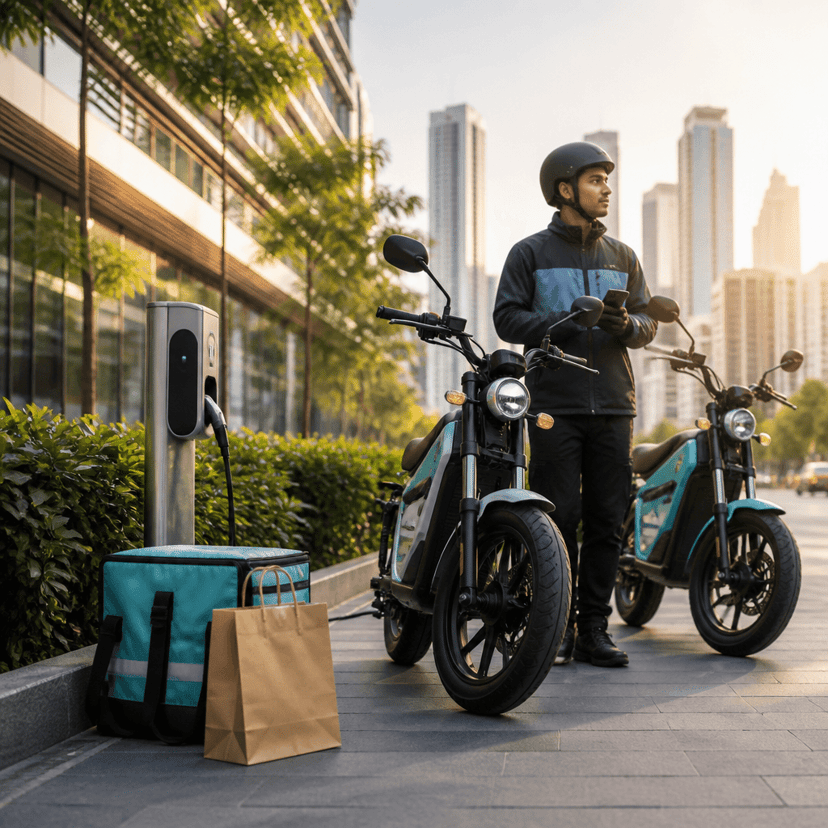
The timing couldn't be more strategic. Einride's been operating electric and autonomous freight vehicles across Europe since 2019, partnering with logistics giants like DB Schenker and Maersk to deploy its Pod vehicles on controlled routes. The company's approach differs from pure-play autonomous startups by combining electric vehicle technology with self-driving capabilities, creating what it calls "intelligent freight mobility."
But going public via SPAC in 2026 means facing a dramatically different investor landscape than the one that existed during the autonomous vehicle hype cycle of 2020-2021. TuSimple delisted after its SPAC debut imploded amid governance scandals. Embark Technology merged with another company after struggling as a public entity. The autonomous trucking space is littered with cautionary tales of companies that went public too early.
What Einride has going for it is revenue. Unlike many autonomous vehicle startups that hemorrhaged cash while perfecting technology, Einride's been generating income from its electric freight operations while simultaneously developing self-driving capabilities. That dual revenue stream could prove crucial when public market investors start demanding clearer paths to profitability.
The PIPE investors are betting on Europe's more permissive regulatory environment for autonomous vehicles. While the U.S. remains mired in state-by-state regulatory fragmentation, the European Union has been harmonizing rules that could accelerate commercial deployment. Einride's home-field advantage in this regulatory climate represents a legitimate competitive moat.
Still, $113 million won't last forever in the capital-intensive world of autonomous trucking. The company will need to demonstrate it can scale operations efficiently, prove its technology works in diverse conditions, and convince public market investors that self-driving trucks aren't perpetually five years away from viability. The SPAC merger will reveal Einride's post-combination valuation and cash position, critical metrics that will determine whether it has enough runway to reach sustainable operations.
The autonomous trucking sector is entering a make-or-break phase. Companies that survived the post-SPAC shakeout are now racing to prove their unit economics work at scale. Einride's oversubscribed PIPE suggests at least some institutional investors believe the company has what it takes to cross that threshold. But the real test comes when it starts trading publicly and faces quarterly scrutiny from a market that's grown deeply skeptical of autonomous vehicle promises.
Einride's oversubscribed PIPE financing gives it ammunition to navigate the treacherous path from SPAC merger to sustainable public company. But capital alone won't guarantee success in autonomous trucking - the company needs to prove it can scale operations profitably while competing against deep-pocketed rivals and managing public market expectations. The early 2026 SPAC completion will reveal whether Einride's combination of electric vehicles and autonomous tech can capture investor imagination in a market that's grown wary of self-driving promises. For now, the oversubscribed round suggests at least some institutional money believes the autonomous freight revolution is finally moving from promise to reality.