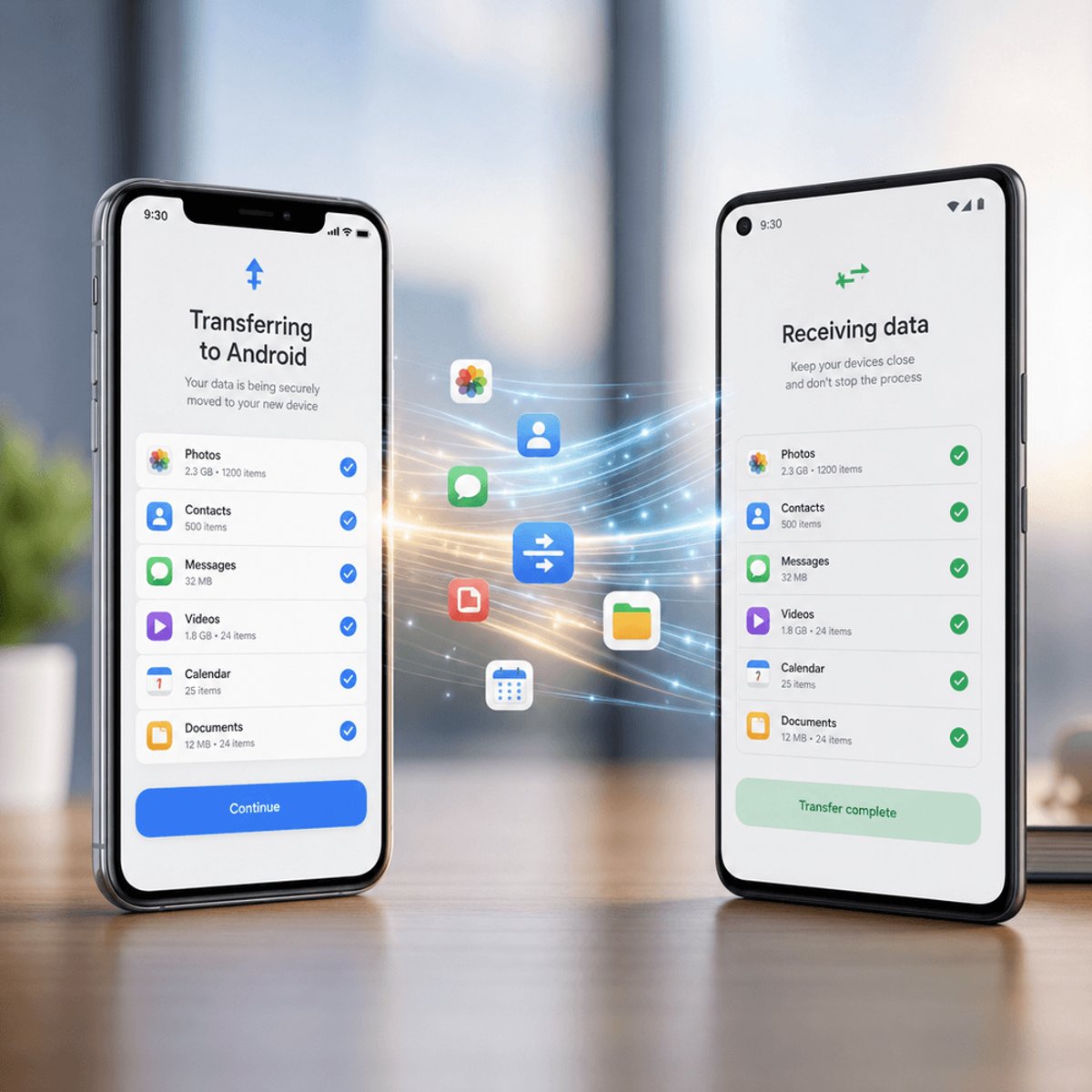
Google just lowered the barrier for iPhone users considering a jump to Android. The company rolled out a wireless data transfer feature that lets users migrate their information without downloading a separate app, marking a significant streamline in what's traditionally been a friction-filled process. The move comes as Apple maintains its ecosystem lock-in strategy, making Google's simplified approach a direct challenge to iPhone retention rates.
Google is taking another swing at Apple's walled garden, and this time it's all about making the exit easier. The company just launched a wireless data transfer feature that eliminates one of the biggest pain points for iPhone users thinking about switching to Android - the need to download and manage a separate migration app.
The timing isn't coincidental. As smartphone replacement cycles stretch longer and premium device prices climb, every friction point in the switching process matters. Google's been chipping away at Apple's ecosystem advantage for years, but this update directly addresses what migration experts call the "setup barrier" - that crucial first 30 minutes when a new user decides whether they made the right choice.
Previously, moving from iPhone to Android meant downloading Google's migration tool, granting permissions, and navigating a multi-step process that often left data behind. Photos would transfer but not albums. Messages would copy but lose formatting. Contacts would migrate but miss key details. According to TechCrunch's report, the new feature expands the data types that transfer wirelessly and streamlines the entire flow.
This isn't just a convenience play - it's a strategic counter to Apple's ecosystem lock-in. The iPhone maker has spent years perfecting what analysts call "platform stickiness," making it progressively harder to leave once you're invested in iCloud, iMessage, and the broader Apple service suite. Every family photo stored in iCloud Photos, every conversation thread in iMessage, every dollar spent on App Store purchases becomes another reason not to switch.
Google's approach flips the script. Instead of building walls, they're building bridges. The company's betting that if they can make migration painless enough, product quality and competitive pricing will do the rest. It's the same philosophy behind Google's cross-platform strategy for services like Gmail, Maps, and Photos - be so good and so accessible that the platform underneath becomes secondary.
The competitive implications ripple across the smartphone market. Apple has maintained premium market share largely through ecosystem retention, with switching rates remaining notably low compared to Android. Industry data shows iPhone users stick with the platform at rates exceeding 90%, while Android users show more platform fluidity. If Google can chip away at even a few percentage points of that retention, it shifts the entire premium smartphone landscape.
For Android manufacturers like Samsung, OnePlus, and Google's own Pixel division, this is ammunition. The easier it becomes to switch, the more they can compete on hardware specs, camera quality, and price - areas where Android devices often match or exceed iPhone capabilities. Samsung already offers its Smart Switch tool, but Google's system-level integration carries more weight since it works across the entire Android ecosystem.
The feature also signals Google's broader platform strategy. While Apple tightens its grip on the integrated hardware-software experience, Google's playing the long game with openness and interoperability. They're betting that in an increasingly multi-device world - where users juggle phones, tablets, laptops, and smart home devices from different manufacturers - the platform that makes switching easiest wins.
What's particularly clever is how this move leverages Google's existing service dominance. Most iPhone users already use Gmail, Google Maps, Chrome, and Google Photos. They're already halfway into the Google ecosystem, even if their phone says Apple on the back. The wireless transfer feature just makes the final leap less daunting.
The real test comes in the premium segment where Apple dominates. Budget and mid-range Android phones have always competed well on price, but the high-end market remains iPhone territory in key markets like the U.S. If Google can make switching seamless enough, combined with the appeal of flagship Android devices that now match iPhone quality while offering features like better customization and more competitive pricing, the premium dynamics could shift.
Google's wireless transfer update is more than a feature launch - it's a calculated strike at Apple's ecosystem moat. By removing friction from the switching process, Google's betting that product quality and openness will outweigh Apple's integration advantages. The move won't trigger mass iPhone exodus overnight, but it chips away at the psychological and practical barriers keeping users locked in. As the smartphone market matures and differentiation increasingly comes from software and services rather than hardware specs, the company that makes it easiest to switch - and easiest to stay - will capture the next decade of premium device sales. For consumers, it's a win regardless of which platform they choose. For Apple, it's a reminder that walls only work when people can't see what's on the other side.