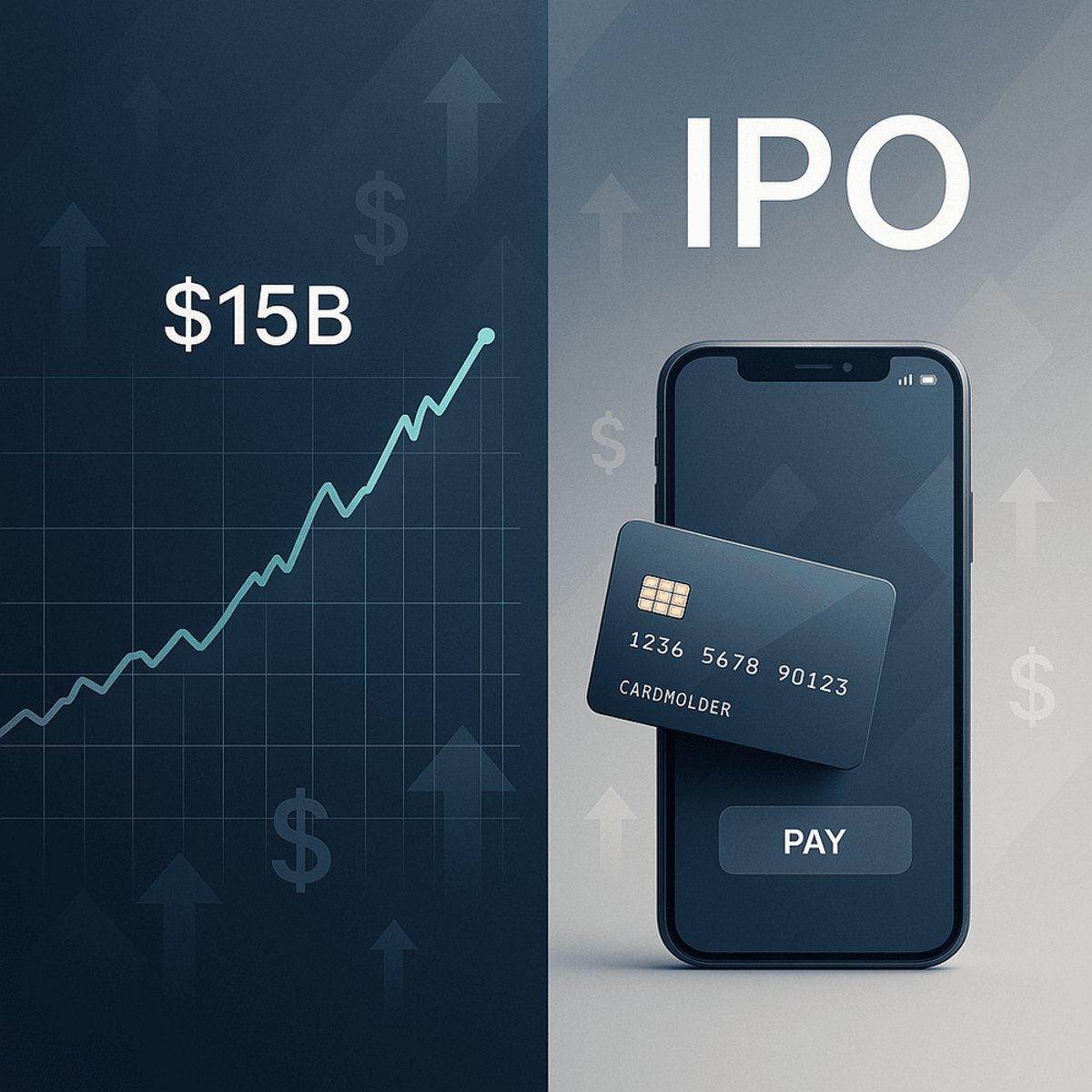
Swedish fintech Klarna just priced its long-awaited IPO at $40 per share, smashing through its expected range to land a $15 billion valuation on the New York Stock Exchange. The buy-now-pay-later pioneer raised $1.37 billion in what's become the year's biggest fintech debut, signaling renewed investor appetite for consumer lending platforms despite ongoing regulatory scrutiny.
Klarna just delivered the fintech sector's biggest IPO surprise of 2025. The Swedish buy-now-pay-later giant priced its shares at $40 each Tuesday evening, sailing past its expected range to secure a $15 billion valuation that validates the company's pivot from simple payment deferrals to full-scale digital banking.
The numbers tell a compelling story of investor confidence returning to consumer fintech. Klarna raised $1.37 billion total, though only $200 million flows directly to company coffers while $1.17 billion helps existing shareholders - including early backers like Sequoia and Atomico - finally cash out after years of private market turbulence.
This IPO arrives at a pivotal moment for the buy-now-pay-later industry. Public markets have shown renewed appetite for tech debuts lately, with Circle and Figma both soaring in recent offerings according to market data. But Klarna's path wasn't smooth - the company originally planned to go public earlier this year before President Trump's tariff announcements in April spooked international listings.
Klarna's financial trajectory reveals both promise and pressure. Revenue climbed 20% year-over-year to $823 million in Q2, driven by transaction fees from merchants and interest on longer-term financing products. But losses actually widened to $53 million from $18 million the previous year, reflecting heavy investment in the company's banking transformation.
The timing couldn't be more critical for CEO Sebastian Siemiatkowski's strategic gamble. Klarna has spent months repositioning itself beyond simple "buy now, pay later" into comprehensive digital banking services, competing directly with traditional lenders and fintech rivals like Affirm. This IPO essentially becomes Wall Street's referendum on whether that pivot will pay off.
Investors are betting on Klarna's massive scale advantages. The company processes payments for millions of consumers across 45 markets, giving it unprecedented data insights into spending patterns and creditworthiness. That information goldmine becomes increasingly valuable as traditional banks struggle with digital transformation and regulatory compliance costs continue rising.
But competitive pressures are intensifying fast. Affirm has been aggressively expanding its merchant partnerships while Apple and Google both launched competing payment services with built-in financing options. Meanwhile, regulatory scrutiny of BNPL products has increased across Europe and the US, with consumer protection agencies worried about debt accumulation among younger users.
The $15 billion valuation represents a significant recovery from Klarna's private market lows during the 2022 funding winter, when the company's value dropped below $7 billion. Early investors who stuck through that downturn are now seeing substantial returns, particularly given the company's revenue growth trajectory and expanding market presence.
Wall Street analysts will be watching several key metrics as Klarna begins trading under the "KLAR" symbol. Transaction volume growth, merchant acquisition rates, and most crucially, the success of its banking services rollout will determine whether this $15 billion bet pays off for public market investors who've been largely shut out of fintech's growth story until now.
Klarna's successful IPO pricing represents more than just another fintech debut - it's a litmus test for whether public markets are ready to embrace the next generation of financial services companies. With $1.37 billion fresh in the bank and a $15 billion valuation to live up to, the Swedish company now faces the ultimate challenge: proving that buy-now-pay-later can evolve into the digital banking platform of the future. For investors, the real story starts when trading begins and Wall Street gets its first chance to vote on fintech's comeback narrative.