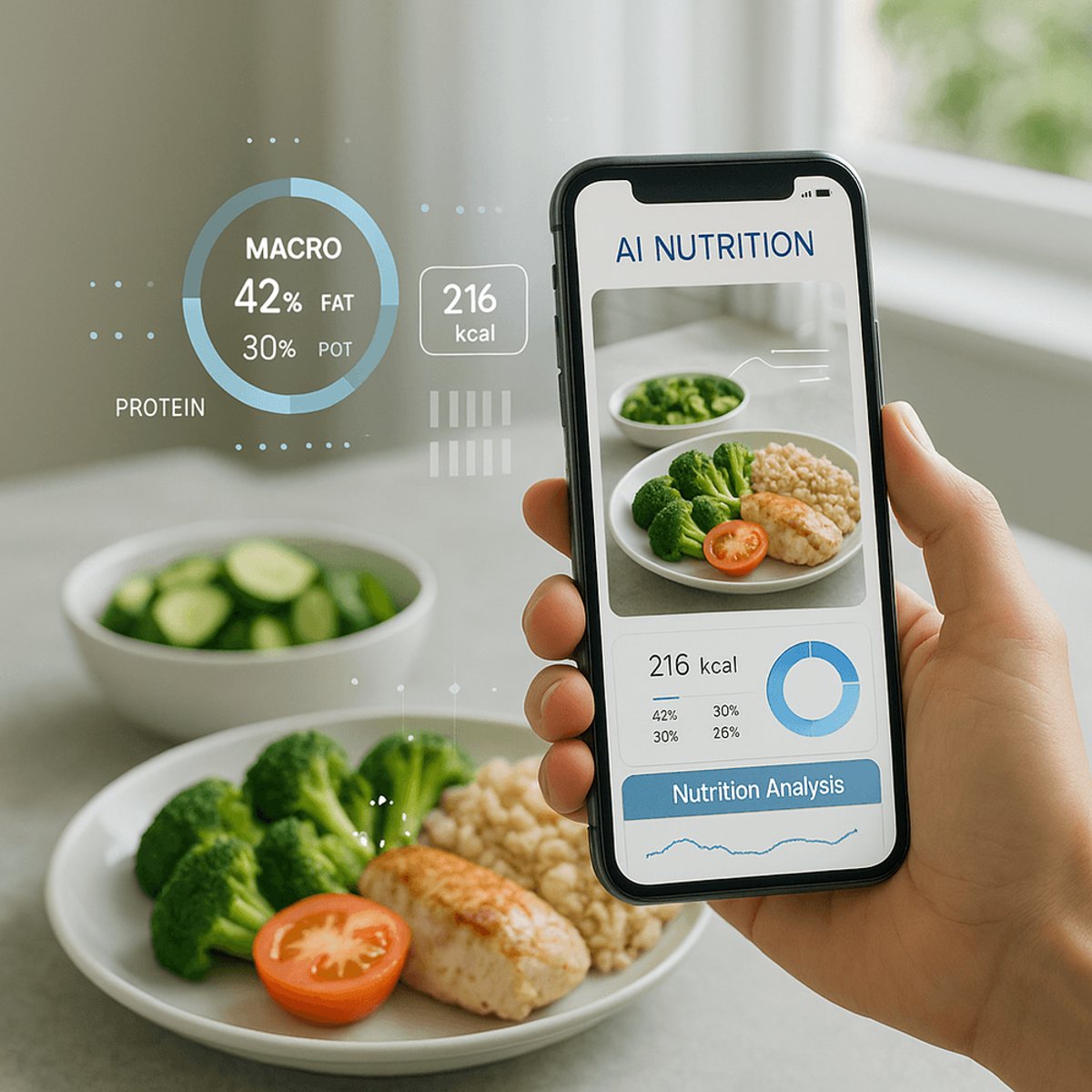
Ladder just made the fitness tracking game a lot more interesting. The strength training app launched Ladder Nutrition, an AI-powered feature that lets users snap photos to track macros, joining the exploding market of photo-based calorie counting apps. With 300,000 paid members already locked into the platform, Ladder's betting that bundling nutrition with workouts beats juggling multiple apps.
Ladder is making its move in the AI nutrition wars. The strength training app just launched Ladder Nutrition, a comprehensive food tracking system that uses artificial intelligence to turn photos into macro breakdowns. It's the latest salvo in a market that's exploding as AI gets better at understanding what's on your plate.
The timing couldn't be better. We've watched Cal AI hit over a million downloads after being built by two teenagers, while Alma launched with former Whoop executives at the helm. Even established players like MyFitnessPal and LifeSum are scrambling to add AI-powered photo recognition.
Ladder's approach is different - it's not trying to be another standalone nutrition app. Instead, the company surveyed its members last year and found they wanted everything in one place. "Nutrition was the next logical step for Ladder, and our members were pleading with us for it," CEO Greg Stewart told TechCrunch. "They wanted a simple, smarter way to connect what they eat with how they perform."
The feature works like you'd expect - snap a photo, scan a barcode, type it in, or describe your meal through voice. But Ladder's engineering team built something more sophisticated under the hood. They're running multiple AI models simultaneously for image recognition, ingredient identification, and macro calculation. If one model can't figure out what you're eating, another steps in.
Here's where it gets interesting: most AI food models are trained primarily on U.S. data, which means they struggle with international cuisines. Ladder partnered with a global nutrition database to fix this gap. It's a smart move considering the app has 300,000 paid members worldwide, many of whom aren't eating standard American fare.
The gamification elements feel natural too. Ladder added streaks, badges, and progress reminders to keep people logging consistently. There's also a dedicated protein mode for users focused on hitting their daily protein targets - something that makes sense for a strength training audience.
The real test came during beta testing over the past month. According to Ladder, 70% of testers said they planned to switch from their current calorie tracking app. That's a significant conversion rate in a market where people tend to be pretty loyal to their tracking tools.
But Stewart isn't stopping here. "We'll build on this foundation with features that offer more prescriptive guidance - what to eat, how to fuel, and how to optimize nutrition based on individual training habits and goals continuously," he explained.
The competitive landscape is getting crowded fast. Healthify already launched AI-powered image recognition specifically for Indian food, while MyNetDiary has been iterating on photo-based tracking for months.
What's smart about Ladder's strategy is the bundling play. Instead of asking users to manage separate apps for workouts and nutrition, they're creating a unified platform. At $29.99 per month or $179.99 per year, it's positioned as a premium offering - but one that eliminates the friction of switching between multiple fitness tools.
The nutrition feature launches free for all existing Ladder members, which should drive adoption quickly. With AI models getting better at food recognition every quarter and users increasingly expecting seamless photo-to-data workflows, Ladder's timing looks solid.
Ladder's nutrition launch represents the maturation of AI-powered food tracking from novelty to necessity. By bundling nutrition with existing workout tracking, they're betting that convenience beats best-in-class individual tools. With 70% of beta users ready to switch apps and AI models improving rapidly, this could be the integration that finally makes comprehensive fitness tracking feel effortless. The question now is whether established nutrition apps can respond quickly enough to defend their turf.