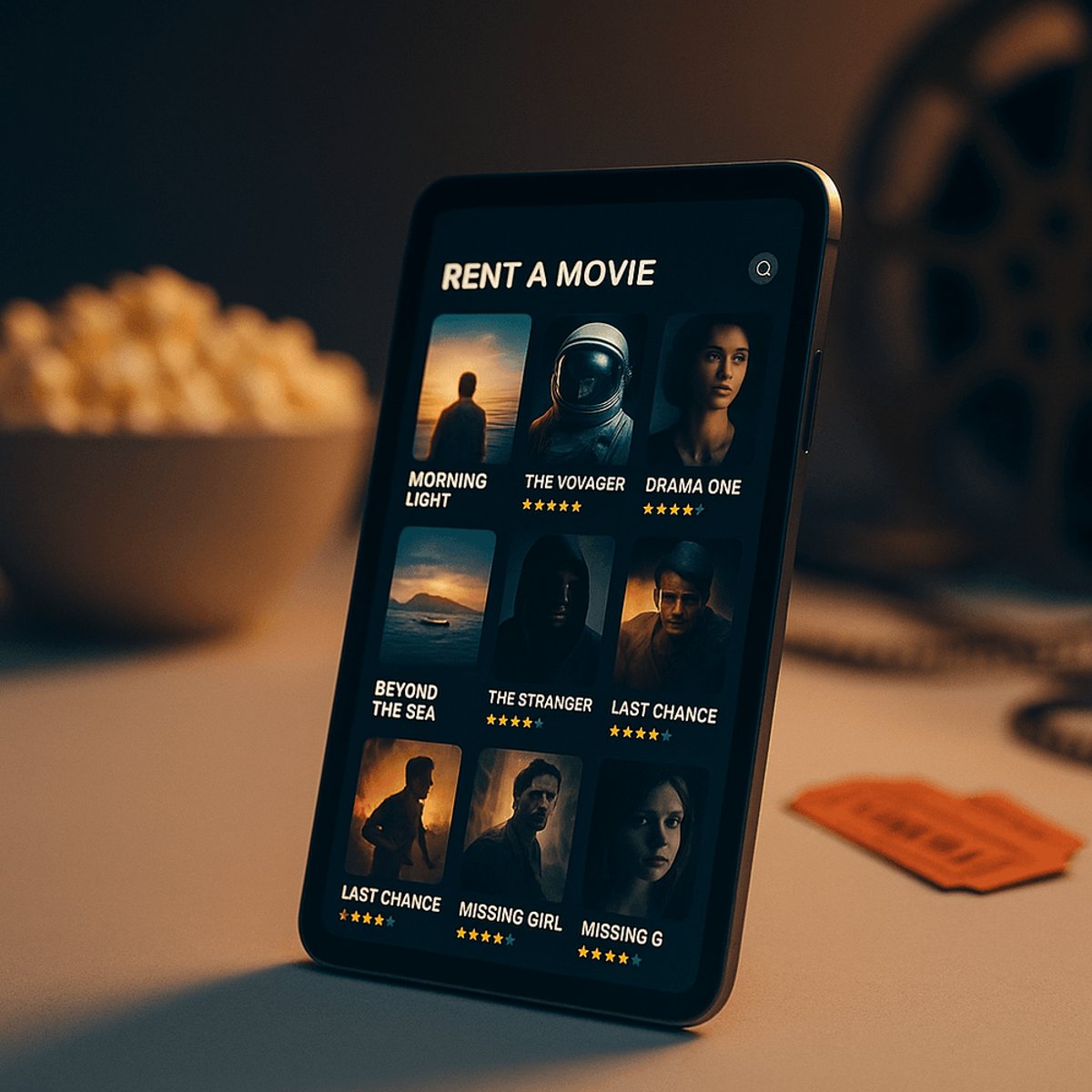
Social film discovery platform Letterboxd is transforming how movie buffs discover and watch films with its new digital video store launching in early December. The feature lets users rent movies directly on the platform, combining Letterboxd's social discovery tools with instant streaming access - a move that could shake up how we find our next movie night pick.
Letterboxd just made the leap from movie tracking to movie watching. The social film platform announced its digital video store will go live in early December, letting its passionate community of film enthusiasts rent movies without ever leaving the app. It's a natural evolution that was first teased at the Cannes Film Festival back in March, but now we're getting the details.
The timing couldn't be better. While Netflix and other streaming giants focus on algorithm-driven recommendations, Letterboxd is betting on something more powerful - your friends' taste in movies. According to the company's recent blog post, the Video Store will feature "festival standouts" that haven't hit wide distribution yet, plus films that have been sitting on users' watchlists but remain frustratingly unavailable elsewhere.
Here's where it gets interesting. Unlike scrolling through Apple TV or Amazon Prime's endless grids, Letterboxd's rental selection will be driven by actual user data - what people are adding to watchlists, what they're buzzing about in reviews. "The movie selection will also be based on what members actually want to watch," the company explained, promising a more curated feel than the kitchen-sink approach of traditional platforms.
The social discovery angle is Letterboxd's secret weapon. Picture this: you see a friend logged a obscure foreign film with a glowing four-star review. Instead of hunting across multiple streaming services or waiting months for availability, you can rent it right there on Letterboxd. That seamless flow from discovery to viewing could be a game-changer for how we consume film.
Letterboxd isn't revealing rental prices yet, noting that "rental availability and costs to vary by location." But they're making some user-friendly promises - no subscription fees and no late charges. The platform will work across iOS and Android devices, plus Apple TV, Android TV, Chromecast, and AirPlay, with additional smart TV apps coming later.
This move follows a busy period of platform improvements since Canadian firm Tiny acquired Letterboxd for around $50 million in 2023. The company recently launched "Featured Lists" to help users discover collections organized by genre, studio, and themes like female directors. Last year brought upgraded search functionality that can handle acronyms and even correct spelling mistakes.
The rental business puts Letterboxd in direct competition with tech giants like Apple and Amazon, but the social film platform has something they don't - a community of movie obsessives who trust each other's recommendations more than algorithms. That's powerful in a world where finding your next great film often feels like searching for a needle in a streaming haystack.
The question now is whether Letterboxd can secure the kind of content deals that will make users choose their platform over established players. Festival films and hard-to-find titles are a smart starting point, but mainstream appeal might require bigger releases. Still, for a platform built on film discovery, turning social recommendations into immediate viewing feels like the logical next step in how we'll find and watch movies.
Letterboxd's move into movie rentals represents more than just another streaming option - it's a bet that social discovery trumps algorithmic recommendations. By letting users instantly rent films they discover through friend activity and curated lists, the platform is creating a direct path from film discovery to viewing that could reshape how we find our next great movie. The real test will be whether they can secure compelling content and compete on price with tech giants, but for film enthusiasts who value community recommendations over corporate algorithms, this feels like a natural evolution.