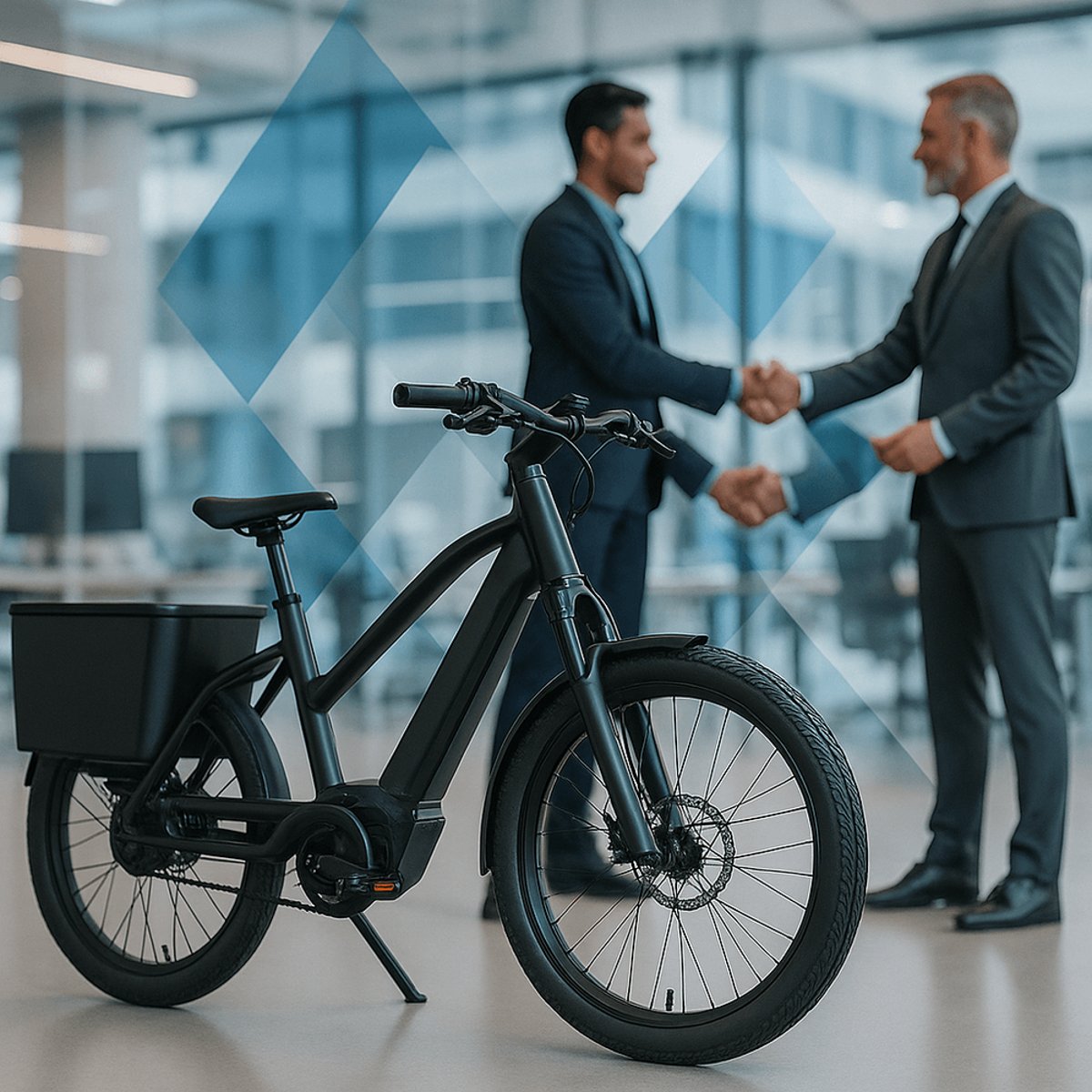
Life EV has officially completed its acquisition of Rad Power Bikes, one of North America's most recognizable e-bike brands. The deal marks another consolidation move in the struggling e-bike industry, though financial terms weren't disclosed. According to TechCrunch, the Rad Power brand is expected to continue operating under Life EV's ownership.
Life EV has officially closed its acquisition of Rad Power Bikes, bringing one of North America's best-known e-bike brands under new ownership. The transaction, reported by TechCrunch, positions Life EV to expand its footprint in the consumer electric mobility market.
The Rad Power brand is expected to live on under Life EV's ownership, suggesting the acquiring company plans to maintain the brand equity that Rad Power built over the past decade. Founded in 2007, Rad Power Bikes became one of the largest e-bike companies in North America, known for its cargo and utility e-bikes that appealed to both recreational riders and delivery workers.
Neither company disclosed financial terms of the deal, though the acquisition comes at a challenging time for the e-bike industry. The sector saw explosive growth during the pandemic as consumers sought alternatives to public transportation and outdoor recreation options. But that boom has given way to a painful correction, with many e-bike makers struggling with excess inventory, rising costs, and slowing demand.
Rad Power itself faced headwinds in recent years. The company laid off staff and closed retail locations as it grappled with the post-pandemic slowdown. Industry observers had speculated about potential M&A activity as smaller players looked for exits or larger companies sought to consolidate market share.
Life EV's move to acquire Rad Power suggests confidence that the e-bike market's fundamentals remain strong despite near-term challenges. The company likely sees value in Rad Power's established brand recognition, dealer network, and product lineup. Cargo e-bikes in particular have shown resilience as last-mile delivery companies and urban commuters continue adopting electric alternatives.
The acquisition also reflects broader consolidation trends across the electric vehicle and micro-mobility sectors. As venture capital funding has dried up and profitability pressures have mounted, weaker players are being absorbed by better-capitalized competitors. This consolidation could ultimately strengthen the industry by eliminating overcapacity and focusing resources on sustainable business models.
What remains unclear is how Life EV plans to integrate Rad Power's operations and whether the brand will maintain its independent product development and marketing. The decision to keep the Rad Power name suggests Life EV recognizes the value of the brand's identity and customer loyalty, but integration details haven't been shared.
For Rad Power customers and dealers, the key question is what this ownership change means for product support, warranties, and future model development. Life EV will need to communicate clearly about its plans to maintain confidence in the brand during this transition period.
Life EV's acquisition of Rad Power Bikes represents a significant consolidation move in the e-bike industry, bringing a well-known consumer brand under new ownership. While the financial details remain undisclosed, the decision to preserve the Rad Power brand suggests Life EV sees value in its market position and customer base. As the e-bike sector continues to mature and consolidate, how Life EV manages this integration could set precedents for future M&A activity in the space. Customers and industry watchers will be looking for signals about product roadmaps, support commitments, and strategic direction in the coming months.