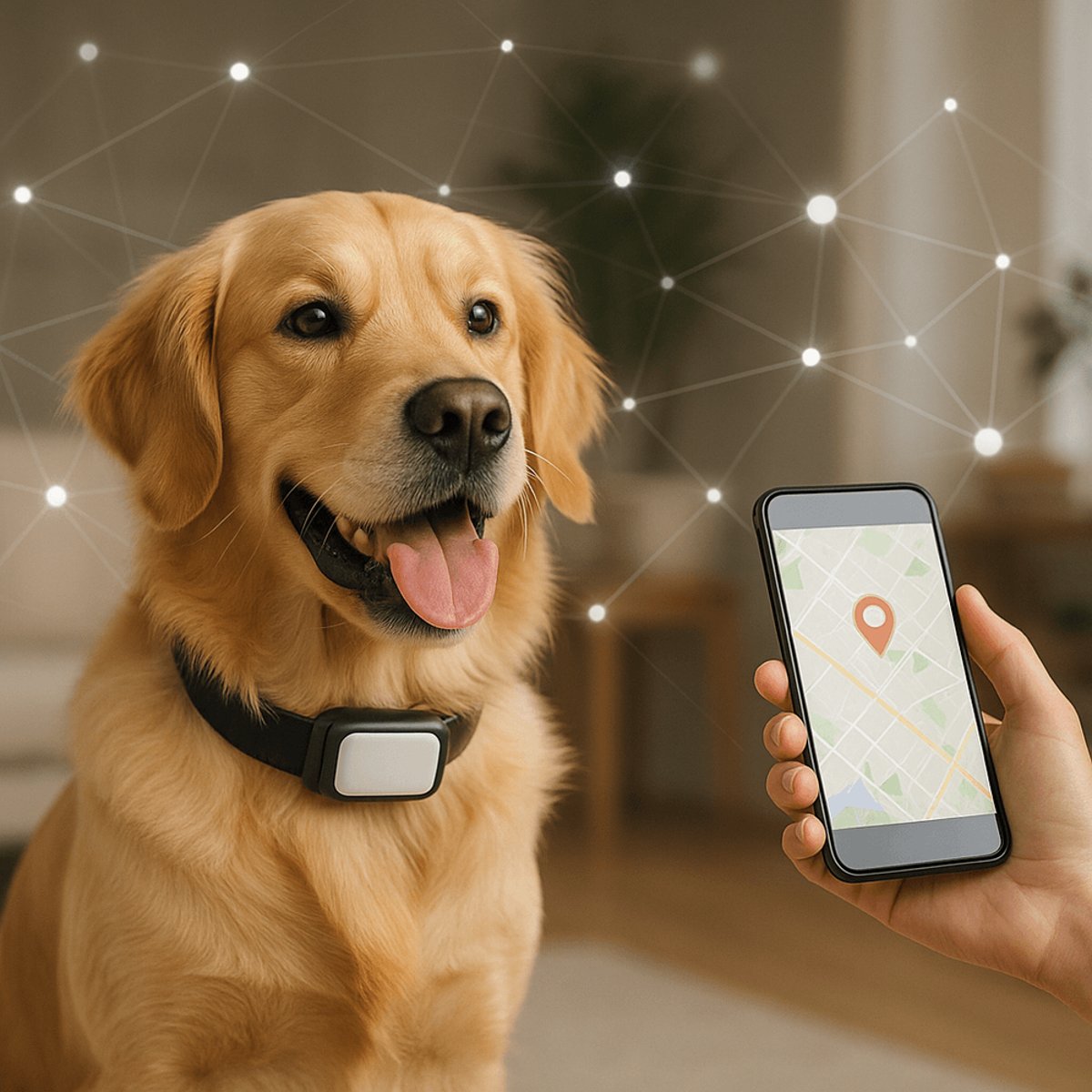
Life360 just made its boldest expansion yet, launching a dedicated Pet GPS tracker that weaponizes its 88 million user network to find lost dogs and cats. The $49.99 device represents the company's priciest product to date and signals a strategic push into the booming pet tech market following its 2021 Tile acquisition.
Life360 just turned its family tracking empire into a pet rescue network. The company's new Pet GPS tracker doesn't just monitor Fluffy's location - it transforms Life360's 88 million users into a crowdsourced army of pet finders when things go wrong. The move represents Life360's most ambitious product expansion since going public and its first major hardware launch following the 2021 Tile acquisition.
At $49.99, the Pet GPS becomes Life360's priciest hardware offering, but the real story is what happens when a pet goes missing. The device taps into Life360's existing user base to create what CEO Chris Hulls calls a "Pet Finder Network" - essentially turning every Life360 user into a potential search volunteer. When someone reports a lost pet, nearby users receive alerts with the animal's photo, breed details, and contact information.
Wall Street's already taking notice of the strategic shift. The pet tech market hit $2.5 billion in 2024 and shows no signs of slowing, according to Grand View Research. Life360's entry puts it in direct competition with established players like Whistle and Fi, but with a crucial advantage - no other pet tracker company has an 88 million person search network already in place.
The timing couldn't be better for Life360's bottom line. The company's been aggressively pushing subscription revenue, and the Pet GPS requires either a Gold ($14.99/month) or Platinum ($24.99/month) plan to unlock all features. That's potentially hundreds of millions in additional recurring revenue if pet owners bite.
Technically, Life360's betting big on connectivity. The tracker combines cellular, GPS, Wi-Fi, and Bluetooth to deliver location updates every 2-4 seconds when pets wander from home. The company claims IP68 water resistance and "bite-proof" construction - crucial for devices that'll spend their lives attached to curious animals. Battery life stretches to 14 days under normal use, with a "Bluetooth Reserve Mode" that can keep pets trackable for up to six months in emergencies.
The feature set reads like a pet owner's wishlist. Geofencing alerts trigger when pets leave safe zones, while a built-in light and chime help locate animals in dark spaces. It's the kind of comprehensive approach that's made Life360 dominant in family tracking, now applied to the four-legged family members.
Life360's Tile integration laid the groundwork for this expansion. Since acquiring the item-tracking company for $205 million, Life360's been slowly integrating Tile's technology into its platform. The Pet GPS feels like the natural evolution - combining Tile's hardware expertise with Life360's network effects and subscription model.
Competitors won't sit idle. Apple's AirTag ecosystem already handles basic pet tracking, while startups like Jiobit and Tractive have built entire businesses around pet GPS. But Life360's secret weapon isn't better hardware - it's the massive user base that can actually help find lost pets.
The international rollout spans five countries initially: US, UK, Canada, Australia, and New Zealand. That geographic spread mirrors Life360's family tracking footprint and suggests the company's testing waters before a broader global expansion.
For investors, the Pet GPS launch signals Life360's evolution from a single-product company to a broader "family safety" platform. The company's stock jumped 8% in early trading as analysts digested the expansion potential. Success here could open doors to additional adjacencies - home security, elder care, or vehicle tracking.
Life360's Pet GPS launch marks a pivotal moment for the family safety company - transforming from a location app into a comprehensive safety platform. By leveraging its 88 million user network for pet recovery, Life360's created a competitive moat that pure-play pet trackers can't match. The real test will be whether pet owners embrace the subscription model and whether the crowdsourced search network proves effective in real-world rescues. Success here could validate Life360's platform expansion strategy and open multiple new revenue streams beyond traditional family tracking.