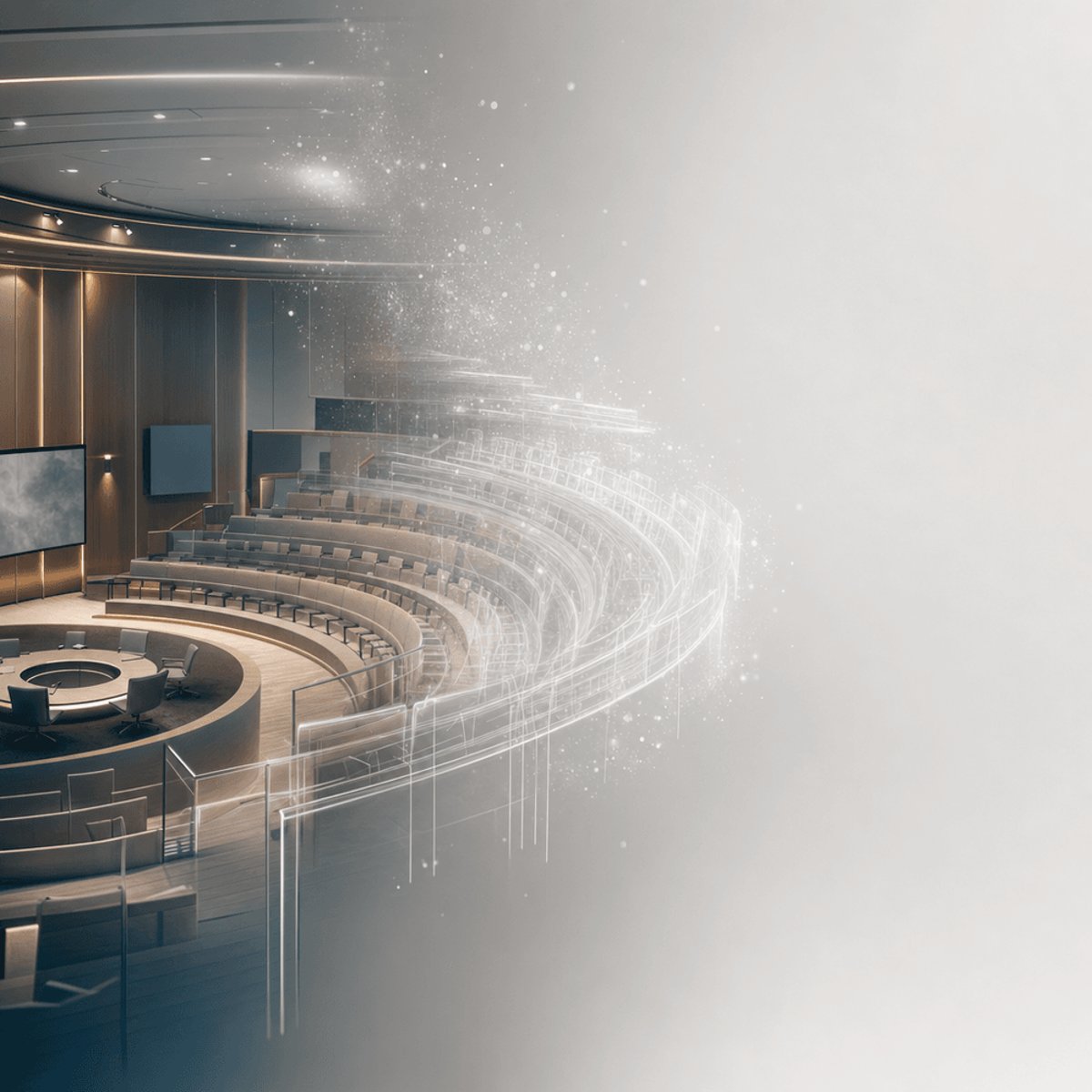
Microsoft is pulling the plug on Together Mode, the AI-powered Teams feature that became a symbol of pandemic-era remote work. Launched in 2020 to simulate in-person meetings by placing participants in virtual conference rooms, the feature is being retired as the company streamlines Teams for a post-pandemic world where the novelty of virtual backgrounds has worn thin.
Microsoft is saying goodbye to one of the pandemic's most distinctive - and divisive - video conferencing features. Together Mode, the AI-powered tool that transported remote workers into shared virtual spaces, is being phased out as the company refocuses Teams on what it calls a "simplified meeting experience."
The announcement, posted to Microsoft's tech community blog, marks the end of a feature that launched in July 2020 when the world was still figuring out how to make remote work feel less isolating. Together Mode used AI to extract participants' heads and shoulders from their home offices and place them side-by-side in virtual auditoriums, coffee shops, and conference rooms.
The feature definitely had its fans. By cutting out the visual chaos of individual video tiles and mismatched backgrounds, Together Mode created a unified viewing experience that some found less distracting than traditional grid layouts. According to The Verge's original coverage when the feature launched, Microsoft positioned it as a way to reduce "meeting fatigue" by making virtual gatherings feel more cohesive.
But it also felt gimmicky to many users. The ability to virtually tap colleagues on the shoulder or exchange high-fives in a fake auditorium struck some as trying too hard to recreate in-person dynamics that didn't translate well to digital spaces. What worked as a novelty during lockdown lost its appeal as remote work became routine rather than emergency protocol.
The timing of the retirement isn't coincidental. Companies across the tech industry are pulling back from pandemic-era remote work tools as hybrid and in-office mandates become more common. Microsoft itself has been pushing employees back to physical offices, and the collaboration tools market has shifted from "how do we replicate the office" to "how do we make hybrid work actually work."
Microsoft Teams has been locked in an ongoing battle with Zoom and Slack for dominance in the collaboration space. While Zoom leaned into quirky features like virtual backgrounds and filters, Microsoft has increasingly emphasized enterprise integration and productivity tools over novelty features. The decision to sunset Together Mode fits that strategic shift.
The rollout of the changes will happen gradually, Microsoft says, with simplified meeting layouts replacing the virtual environments that defined Together Mode. Users won't lose core functionality - you'll still be able to see your colleagues' faces - but the AI-powered spatial arrangement and interactive elements are going away.
It's worth noting that Together Mode represented a significant technical achievement when it launched. The real-time AI processing required to cleanly extract people from their backgrounds and composite them into shared spaces at scale was genuinely impressive. But impressive technology doesn't always translate to features people actually want to use long-term.
The feature's retirement also reflects broader questions about which pandemic-era innovations have staying power. Some tools, like asynchronous collaboration and flexible scheduling, have become permanent fixtures of how we work. Others, like elaborate virtual spaces and gamified meeting experiences, are being recognized as temporary solutions to temporary problems.
For Microsoft, the move toward simplification makes business sense. Every feature carries maintenance costs, and Together Mode likely required ongoing AI model updates and quality assurance as Teams evolved. Cutting features that don't drive user engagement or differentiation frees up resources for areas where Microsoft is competing more directly, like AI assistants and productivity automation.
Together Mode's retirement is less about a single feature dying and more about the evolution of remote work itself. The pandemic forced companies to experiment with ways to recreate physical proximity digitally, and some of those experiments worked better than others. As the dust settles on that massive workplace transformation, Microsoft is making a bet that simplicity beats novelty - that workers want reliable, straightforward tools over virtual shoulder taps. Whether that's the right call depends on where you think collaboration software is heading, but the trend across the industry suggests the age of gimmicky video features is ending.