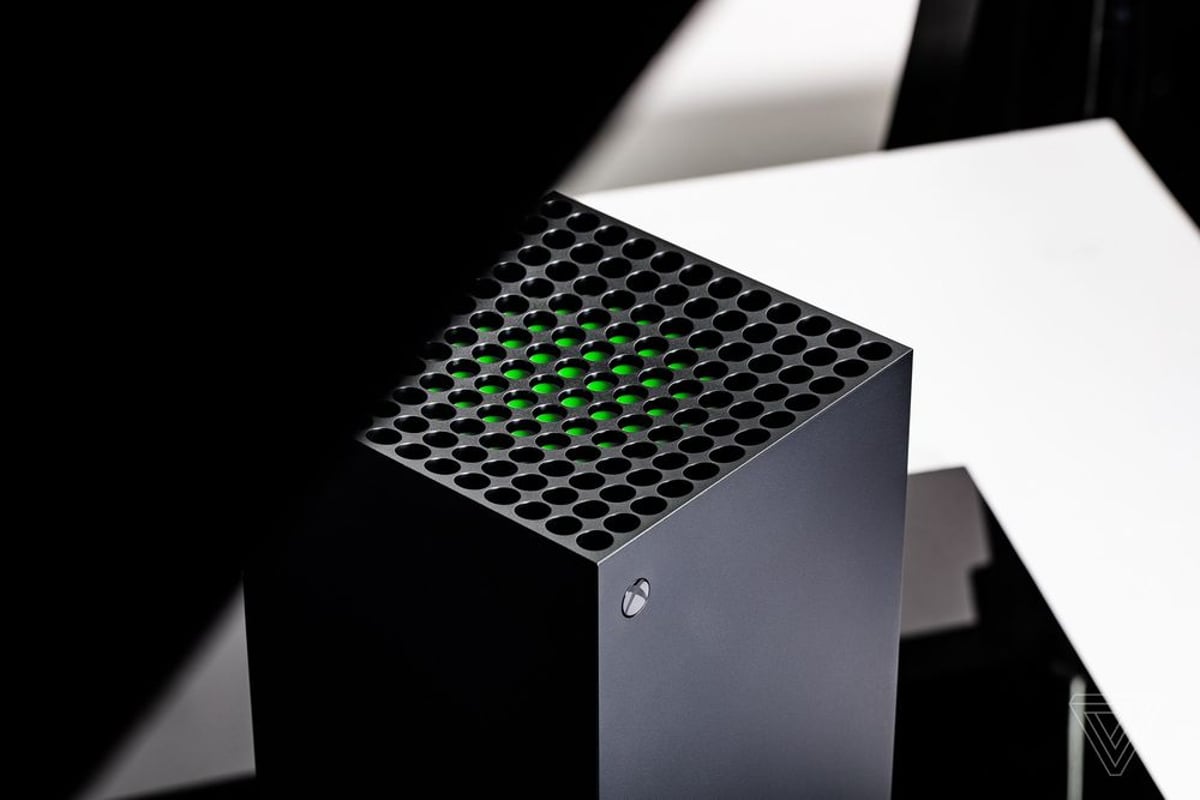
Microsoft is scrambling to reinvent its Xbox console business as the ongoing RAMageddon supply crisis threatens to price next-generation hardware out of reach for mainstream gamers. Xbox CEO Asha Sharma and strategy chief Matthew Ball revealed this week that the company is reevaluating its entire approach to Project Helix, the codename for its next console, while exploring "radically different" business models that could reshape how gamers access Xbox hardware altogether.
Microsoft is facing a hardware reckoning. The company's Xbox division just confirmed it's exploring fundamental changes to how it builds and sells consoles, a strategic pivot forced by the RAMageddon supply crisis that's sent memory prices soaring across the tech industry.
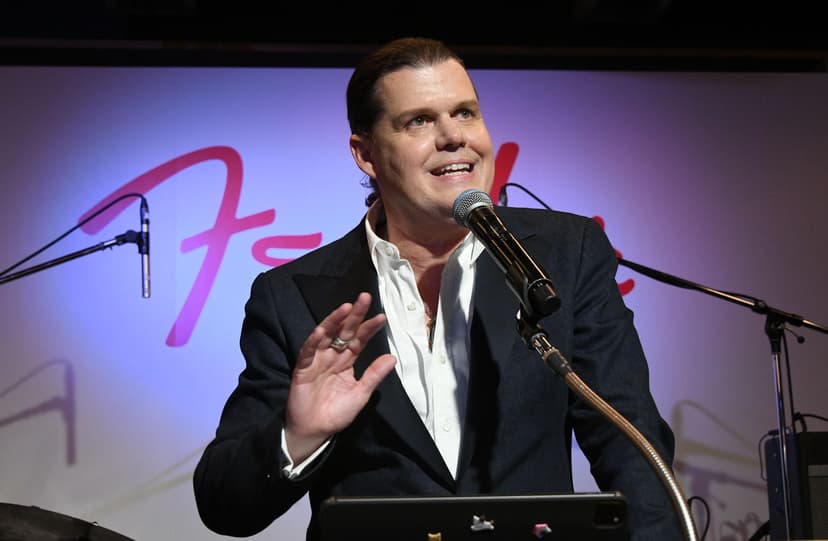
Xbox strategy chief Matthew Ball didn't mince words in an interview with The Game Business this week. "We are working very hard to rethink everything that we can about Helix, which is a console we are committed to shipping, and we are very cognizant of the ways in which we need to change as a company to make sure it's affordable, to make sure that it's flexible," Ball said. The admission reveals just how seriously the RAM shortage is disrupting Microsoft's roadmap for Project Helix, the internal codename for its next-generation Xbox console.
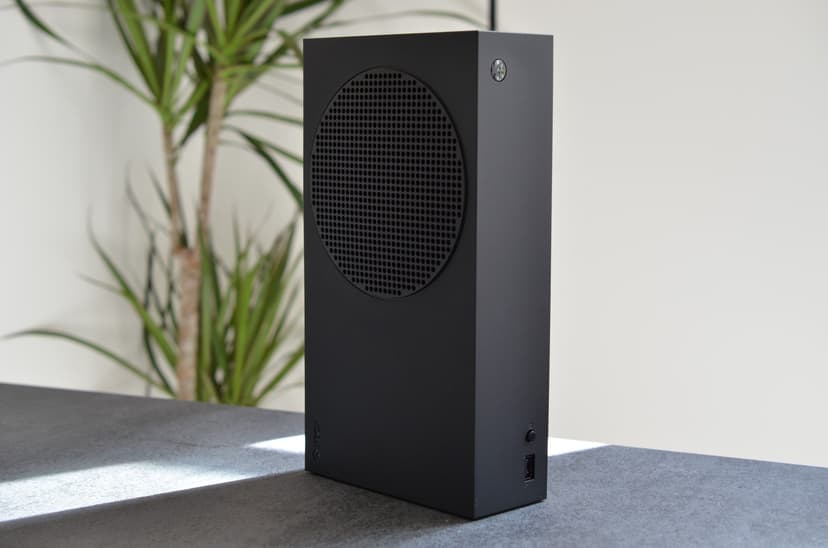
The timing couldn't be more critical. Console generations typically run seven to eight years, and Microsoft launched the Xbox Series X and Series S in late 2020. That puts Project Helix on track for a 2027 or 2028 release, right when the company needs to be locking down hardware specs and manufacturing contracts. But with RAM prices spiking and supply chains still fragile, the traditional console playbook - sell hardware at a loss, make money on software - suddenly looks untenable.
Xbox CEO Asha Sharma echoed Ball's concerns in separate remarks, though neither executive outlined specific alternative business models under consideration. Industry analysts are already speculating about what "radically different" might mean in practice. The most likely scenarios include aggressive subscription bundling through Xbox Game Pass Ultimate, expanded cloud gaming options that reduce hardware dependency, or even modular console designs that let gamers upgrade components over time rather than buying entirely new systems.
Microsoft's predicament isn't unique, but its response might be. Sony and Nintendo are grappling with the same component shortages, yet neither has publicly signaled plans to fundamentally rethink their hardware strategies. That could give Microsoft either a first-mover advantage or leave it vulnerable if experimental models fail to resonate with core gamers who still prefer traditional consoles.
The RAMageddon crisis stems from a perfect storm of factors: pandemic-era fab capacity constraints, surging AI chip demand cannibalizing memory production, and geopolitical tensions disrupting East Asian supply chains. Memory spot prices have climbed nearly 40% since early 2025, according to industry tracker TrendForce, with no relief expected before late 2026 at the earliest.
For Microsoft, the stakes extend beyond Xbox. The company's entire hardware portfolio, from Surface devices to Azure data center servers, depends on affordable, abundant RAM. But consoles present unique challenges because they're sold on razor-thin margins and need to hit competitive price points. A $599 Xbox would struggle against a hypothetical $499 PlayStation 6, regardless of performance advantages.
The "flexibility" Ball mentioned likely refers to multiple SKUs at different price tiers, similar to the Series X/S strategy but potentially more extreme. Think entry-level streaming-only boxes, mid-tier hybrid models, and premium enthusiast hardware. Microsoft's already proven it can manage multiple product lines simultaneously, and its Xbox Cloud Gaming infrastructure provides a fallback for gamers who can't afford premium hardware.
What makes this moment particularly fascinating is Microsoft's willingness to publicly acknowledge the uncertainty. Most hardware makers guard next-gen plans obsessively, but Ball and Sharma's candor suggests the company is preparing customers and investors for something genuinely different. Whether that's a feature or a bug depends entirely on execution.
Microsoft's Xbox hardware gamble represents the console industry's first major strategic pivot forced by post-pandemic supply realities rather than competitive pressure or technological leaps. If the company successfully reinvents console economics through subscription models or flexible hardware tiers, it could redefine how the entire gaming industry approaches next-gen transitions. But if Project Helix stumbles or arrives too late with compromised specs, Microsoft risks ceding ground to Sony in the critical living room gaming market. Either way, the RAMageddon crisis just turned the next console generation into the most unpredictable hardware race in decades. Watch for more concrete details as Microsoft's supply chain teams finalize 2027 component contracts over the coming quarters.