Elon Musk didn't show up to his own trial against OpenAI this week, prompting an unusual courtroom apology from his legal team. The billionaire is currently in China on business related to Tesla and xAI instead of attending the high-stakes lawsuit where he's accusing co-founders Sam Altman and Greg Brockman of betraying OpenAI's original nonprofit mission. The absence raises questions about Musk's commitment to a case he's been publicly fighting since early 2024.
Elon Musk has a scheduling conflict that's turning heads in Silicon Valley's most watched courtroom drama. The Tesla and xAI CEO is in China this week instead of attending his own lawsuit against OpenAI, forcing his lawyer to deliver an awkward explanation to jurors about why the plaintiff decided international business trumped his day in court.
The case centers on explosive allegations that Sam Altman and Greg Brockman fundamentally betrayed OpenAI's founding principles. Musk claims the duo violated explicit promises to keep the AI research lab as a nonprofit dedicated to developing safe artificial intelligence for humanity's benefit, not shareholder returns. Instead, OpenAI transformed into a capped-profit entity now valued at over $80 billion, with Microsoft as its primary backer.
Musk's legal team didn't elaborate on the specific nature of his China trip, but the timing coincides with ongoing negotiations around Tesla's manufacturing expansion and potential xAI partnerships in the region. The billionaire has made multiple trips to Beijing over the past year, cultivating relationships crucial to his electric vehicle and AI ambitions. But legal observers say choosing those meetings over testimony in a lawsuit he initiated sends a striking message about priorities.
"When you're the plaintiff and you don't show up, jurors notice," one veteran trial attorney told reporters outside the courthouse. "It raises questions about how seriously he takes his own allegations." The optics become particularly problematic given Musk's tendency to wage public battles on social media while apparently declining to make his case in person when it matters most.
The lawsuit traces back to OpenAI's 2015 founding, when Musk joined Altman and others in launching what they marketed as an open-source, nonprofit counterweight to corporate AI development. According to court filings, early agreements explicitly committed the organization to transparency and putting safety above profits. Musk contributed over $50 million in early funding and served on the board until his 2018 departure.
Everything changed in 2019 when OpenAI created a for-profit subsidiary and accepted a $1 billion investment from Microsoft. The restructuring allowed employees to receive equity and positioned the company to compete for top talent against deep-pocketed tech giants. Altman has defended the shift as necessary for survival, arguing that training advanced AI models requires computational resources far beyond what donations could support.
Musk sees betrayal where Altman sees pragmatism. His complaint alleges breach of contract, breach of fiduciary duty, and unfair business practices. He wants the court to force OpenAI back to its nonprofit roots and potentially unwind its Microsoft partnership. The case has become a referendum on whether founding ideals mean anything once billions of dollars enter the picture.
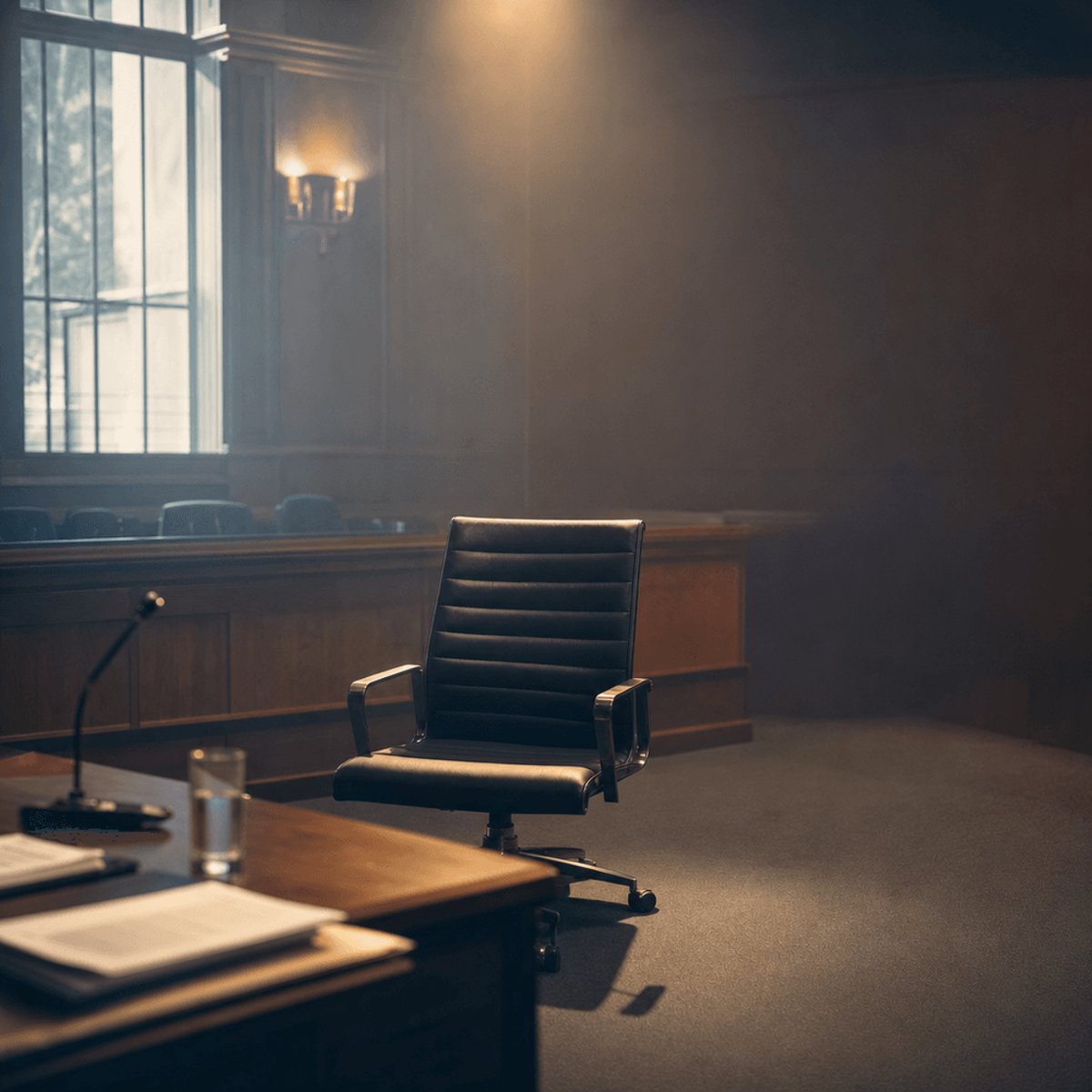
Altman is expected to take the stand later this week to defend OpenAI's transformation and counter Musk's characterization of broken promises. His testimony will be crucial, as internal emails and board meeting minutes will likely reveal the real dynamics behind the nonprofit-to-profit pivot. Meanwhile, Musk's empty chair speaks volumes about his willingness to personally defend claims he's been trumpeting on X for over a year.
The China trip also highlights the awkward reality that Musk himself has pursued aggressive commercial AI development through xAI while simultaneously positioning himself as a champion of responsible, nonprofit AI research. His Grok chatbot competes directly with OpenAI's ChatGPT in the same market he claims Altman corrupted by embracing capitalism. Critics call it hypocrisy; Musk calls it fighting fire with fire.
Legal experts say the trial could establish important precedents about what happens when nonprofit founders pivot to commercial models. Similar tensions have played out at Mozilla, Signal, and other organizations trying to balance mission and money. But few cases involve personalities as large as Musk and Altman or stakes as high as control over transformative AI technology.
Jurors will ultimately decide whether OpenAI violated binding commitments or simply evolved in ways that disappointed one co-founder who left before the key decisions got made. Musk's absence this week might not derail his case legally, but it certainly complicates the narrative he's trying to sell: that this fight matters more than money, power, or even a lucrative trip to Beijing.
Musk's no-show at his own trial creates an opening for Altman to control the narrative at a pivotal moment. Whether the jury interprets the absence as a billionaire with conflicting priorities or a confident plaintiff who doesn't need to appear remains to be seen. But in a case about broken promises and shifting commitments, showing up would have been the easiest way to demonstrate that some principles still matter. Instead, Musk chose China, leaving his lawyers to explain why business abroad outweighed accountability at home.