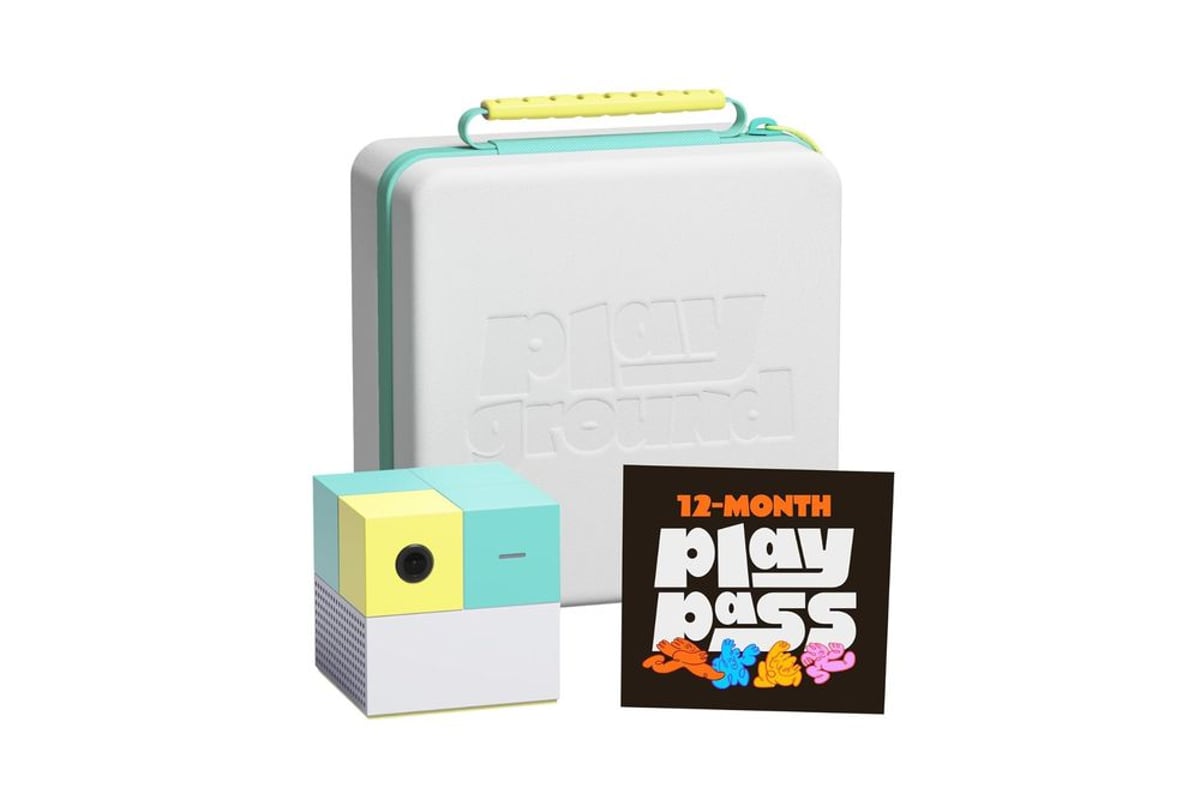
A colorful motion-tracking console nobody was watching three months ago just became the second best-selling gaming console in America during Black Friday week. The Nex Playground has somehow gone from startup curiosity to holiday phenomenon, quadrupling sales and putting pressure on Microsoft's struggling Xbox lineup with aggressive discounting and a product parents actually want their kids using.
It's hard to believe, but a decade-old startup that almost went bankrupt is now outpacing one of the world's biggest gaming companies. Nex Playground, a motion-tracking console that feels like Kinect for kids, has somehow become the story of this holiday season - and it happened almost entirely outside the radar of major tech coverage.
The numbers tell an astonishing story. According to video game analyst Mat Piscatella at research firm Circana, the Playground was the second best-selling console in the US during the week ending November 22nd, then held the third spot the following week. In October, Circana didn't even mention it. The console simply wasn't on anyone's list.
But after selling over 300,000 units in just twelve days leading up to November 22nd, the company is now on track to move 600,000 consoles for the entire year. That's a four-fold increase from last year's 150,000 units. The trajectory is almost absurd. According to reporting from the Wall Street Journal, the company did just $3 million in annual revenue before its pivot and wasn't even profitable. This year, it's projecting more than $150 million in sales and expects to finally break even.
Where did this come from? Black Friday discounting played a huge role. Nex slashed the price from $249 to $199 for the holiday, while Microsoft declined to discount Xbox. That's a critical difference when parents are scrolling through deals. But there's something deeper happening here too.
Parents are clearly drawn to a console that gets kids moving instead of glued to a screen. In a world where everyone's fighting about screen time limits, the Playground offers movement-based gameplay with the colorful, kid-friendly appeal that made the original Kinect so successful for families. It's positioned itself in a market gap that traditional consoles aren't addressing.
The company's journey is remarkable in itself. Nex spent nearly a decade building motion-tracking technology, starting with an iPhone app for basketball training. They were hemorrhaging money, nearly folded, then pivoted to the Playground console. Now they're riding a wave of holiday momentum that even they didn't anticipate. The company briefly couldn't keep units on store shelves, which led to inflated prices on eBay as people tried to capitalize on the scarcity.
The big caveat here is obvious. This is a small sample size driven by Black Friday virality and aggressive pricing. Whether Nex can sustain this momentum after the holidays is the real question. Console sales are notoriously front-loaded during the gift-giving season. What happens in January when the discounts fade and the novelty wears off? Can the library of games keep parents and kids engaged, or will the Playground end up in closets next to abandoned fitness equipment?
For context, Nintendo Switch 2 has sold over 10 million units, so even 600,000 is impressive but far from mainstream domination. Still, for a company that was nearly dead a few years ago, this is an absolutely stunning turnaround that's shaking up a category everyone assumed was locked down by Nintendo and Sony.
The Nex Playground story is a perfect storm of smart positioning, aggressive holiday pricing, and a genuine market need that bigger companies overlooked. A startup that was teetering on the edge of failure just became the unexpected holiday sensation, proving that in gaming there's always room for something different. But the real test comes in January when the Black Friday crowds have moved on and the company has to prove it built something people actually want to keep using, not just buy.