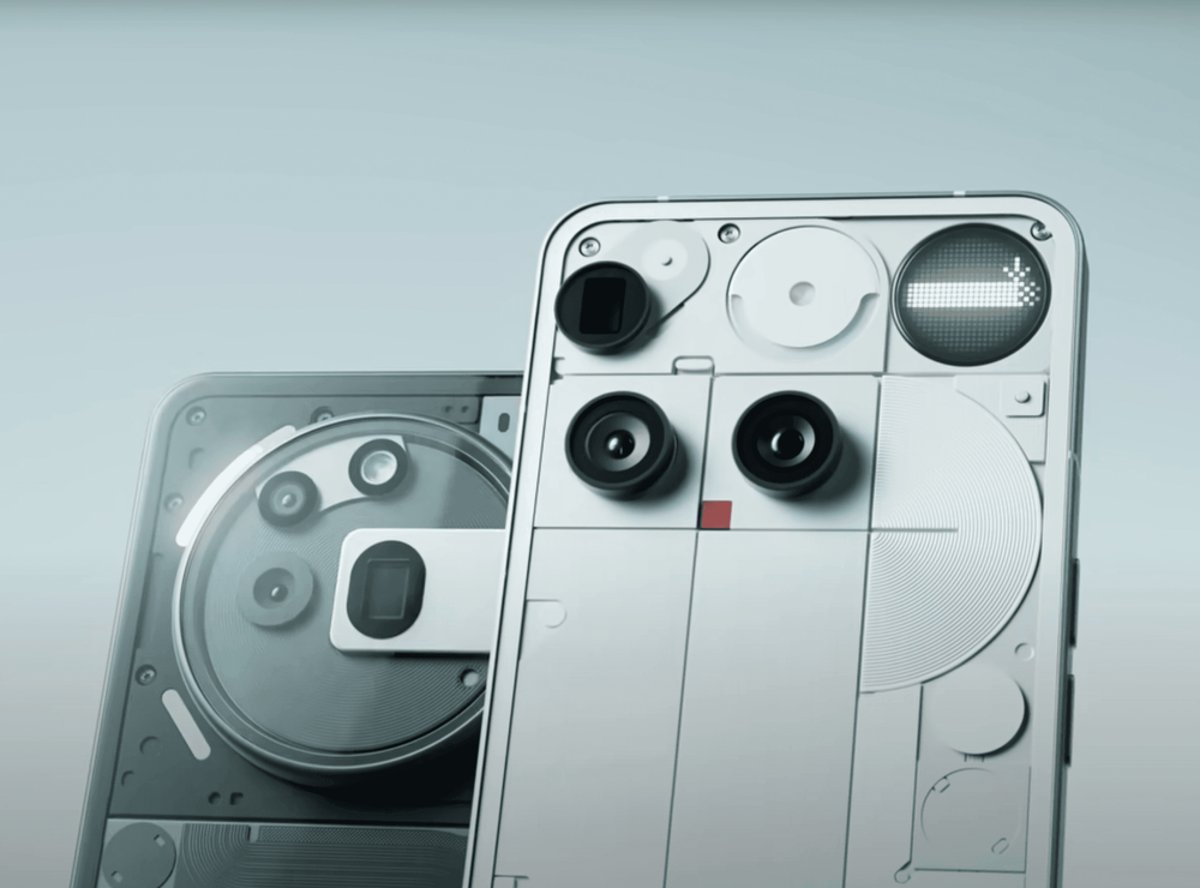
Nothing just dropped Nothing OS 4.0, and it's doing something no other Android manufacturer has tried - turning your phone's back panel into a live progress bar. The Android 16-based update uses the company's signature Glyph Interface to display real-time tracking for deliveries, rides, and timers right on the rear of your device.
Nothing is making Android 16 feel genuinely different with today's Nothing OS 4.0 launch. The update takes Google's Live Updates feature and transforms it into something you can literally see without touching your phone - animated progress bars that light up across the company's distinctive Glyph Interface on the back of devices.
The implementation varies by device in clever ways. On the Nothing Phone 3, the dot-matrix display shows actual progress bar animations, while the Phone 3A's simpler light strip gradually fills up to match delivery tracking or ride-sharing updates. You can glance at your phone face-down on a desk and instantly know if your Uber is three minutes or eight minutes away.
But Nothing isn't just playing with hardware gimmicks. The company is doubling down on AI integration with its new Essentials App tool that feels like a direct response to Apple's Shortcuts and Google's Assistant routines. Users can describe what they want in plain English to a chatbot, and it'll generate custom widgets automatically. Want a weather widget that only shows rain chances? Just ask for it.
The visual refresh goes deeper than expected. Nothing OS 4.0 introduces what the company calls "sharper tactility and depth" in its animations, making every swipe and tap feel more responsive. There's a new ultra-dark mode with deeper blacks than the original, plus redesigned lock screen clocks and more minimalist app icons that lean into Nothing's signature aesthetic.
Multitasking gets an upgrade too. You can now run two floating apps simultaneously and switch between them with simple gestures - swiping up minimizes them, swiping down makes them full-screen. It's the kind of feature that sounds simple but could genuinely change how people use their phones for productivity.
Nothing saved some exclusive features for its flagship Phone 3. "Pocket mode" automatically turns off the Glyph Matrix when it detects the phone is in your pocket, preventing accidental battery drain. More playful additions include "toys" that display an hourglass animation or show the Moon's current position right on the dot-matrix - the kind of delightful details that separate Nothing from more utilitarian Android makers.
The rollout schedule reveals Nothing's current device hierarchy. Phone 3 users get the update starting today, with other Nothing devices following "over the coming weeks." CMF devices, Nothing's budget sub-brand, will receive Nothing OS 4.0 before year's end. But Phone 3A Lite owners will wait until early 2026, suggesting the entry-level device can't handle all the new features.
What's interesting is how Nothing is positioning itself in the Android 16 conversation. While Google focuses on AI integration and notification improvements, Nothing is using hardware differentiation to stand out. The Glyph Interface was always a bet that people want their phones to communicate information without requiring direct interaction - and Live Updates integration proves that vision is starting to pay off.
This positions Nothing uniquely as Android manufacturers scramble to differentiate their software experiences. Samsung leans heavily on productivity features, OnePlus focuses on performance, and Nothing is carving out the "ambient information" niche with hardware-software integration that actually makes sense.
Nothing OS 4.0 represents the clearest vision yet of how hardware and software can work together to create genuinely new user experiences. While other Android makers focus on specs and AI features, Nothing is betting that ambient information display will define the next era of smartphone interaction. The staggered rollout through early 2026 gives the company time to refine these features, but early adopters with the Phone 3 get to experience what might be the future of smartphone notifications today.