New York's Metropolitan Transportation Authority just delivered the final blow to the iconic MetroCard, announcing it will stop selling the yellow-and-blue cards by December 2025. The move caps a dramatic shift toward contactless payments that's transforming how Americans ride public transit, with Apple Pay and Google Pay becoming the new subway currency as cities nationwide rush to modernize aging fare systems.
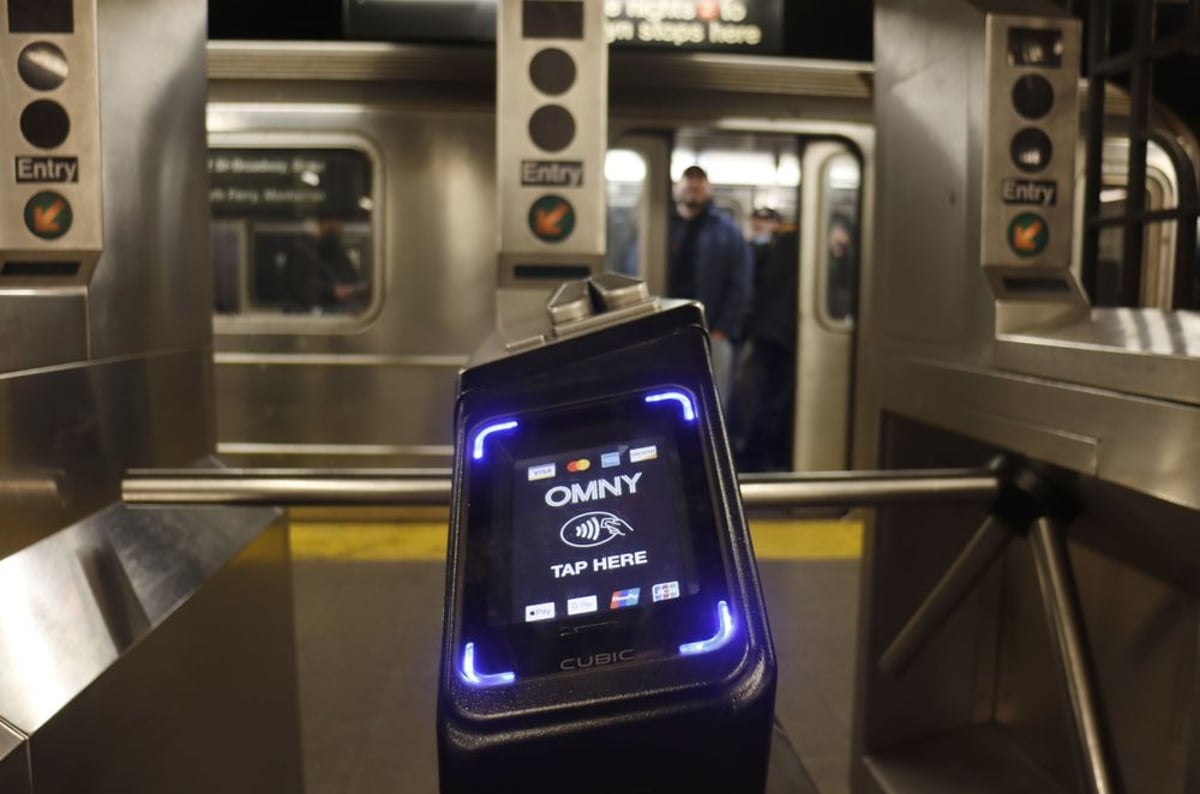
The MetroCard is officially dead. After two decades as New York's subway lifeline, the Metropolitan Transportation Authority announced it will stop selling the iconic yellow-and-blue plastic cards by year's end. NFC-equipped credit cards and mobile wallets like Apple Pay and Google Pay now dominate the turnstiles, marking a seismic shift in how Americans pay for public transit.
The numbers tell the story of this rapid transformation. New York's OMNY system hit 75% adoption among transit riders as of July 2025, logging nearly 2.8 billion taps since its 2019 debut. That success appears to be the tipping point other cities were waiting for. Last month, Bay Area Rapid Transit became the latest major system to introduce tap-to-pay, joining New York, Philadelphia, Chicago, San Juan, and Washington DC in the contactless revolution.
"If New York, with its Depression-era signal technology and decades-old rolling stock, can make it work, certainly smaller, more technologically nimble cities could too," transit analysts are noting. The pandemic accelerated this shift dramatically - officials saw clear benefits in promoting touch-free experiences while letting riders pay the same way they'd buy coffee.
But the transition hasn't been seamless. Over 40% of riders report experiencing missing or late fare payments according to recent surveys, while others complain about long customer service wait times and transparency issues. More troubling are the equity concerns - many low-income riders lack bank accounts, smartphones, or reliable internet needed for these systems.
The stakes couldn't be higher for struggling transit agencies. A Bloomberg analysis found the largest US mass transit systems face a collective $6 billion deficit in coming years as pandemic bailout money dries up. Ridership has rebounded but remains below pre-COVID levels, creating what experts fear could become a "death spiral" - terrible service driving away riders, leading to even worse service.
Contactless payments represent one tool in transit's survival kit. The MTA estimates about $40 million annually gets abandoned on underused MetroCards - waste that pay-as-you-go systems like OMNY can prevent. The $40.3 million contract for OMNY went to Cubic Transportation Systems, a defense contractor that also built Chicago's Ventra system and London's Oyster cards.
Security remains a persistent concern. New York experienced location tracking vulnerabilities through OMNY that raised fears riders might abandon the system, though the MTA quickly patched those loopholes. San Francisco's BART riders are bracing for "card clash" problems where turnstiles jam with different payment methods competing.
The international picture offers both models and warnings. London pioneered contactless transit payments in 2012 for buses, expanding to the Underground by 2014. But in China, biometric palm scanners are becoming popular through Weixin Pay - a development that raises privacy concerns even as it showcases technological possibilities.
Transit agencies are working to address equity gaps. Austin offers prepaid fare cards and cash loading at retail locations for unbanked riders. New York sells reloadable OMNY cards at stations, pharmacies, and bodegas. But challenges persist - the utilitarian black-and-white OMNY card lacks the cultural cachet of the MetroCard, which spawned everything from Supreme collaborations to collector communities.
The broader context makes this transformation even more critical. Many cities face service cuts, fare hikes, and layoffs as they struggle with operational costs. Experts argue that while contactless payments alone won't save transit, they're part of a larger solution set including real-time arrival information, improved navigation apps, and service enhancements that could help systems compete with ride-hailing services.
As more cities prepare to follow New York's lead, the MetroCard's demise signals more than just a payment upgrade - it represents transit's fight for relevance in an increasingly digital, post-pandemic world where every tap could help determine whether public transportation thrives or enters that feared death spiral.
The MetroCard's death marks more than the end of an era - it signals transit's urgent pivot toward digital survival. While contactless payments won't single-handedly rescue struggling agencies facing billions in deficits, they represent a crucial piece of the modernization puzzle. As cities nationwide watch New York's 75% adoption rate, the real test isn't whether tap-to-pay works technically, but whether it can help transit systems avoid the death spiral of declining ridership and deteriorating service. The next few years will determine if going contactless helps public transportation stay competitive in an increasingly digital world, or if it's merely a high-tech Band-Aid on much deeper structural problems.