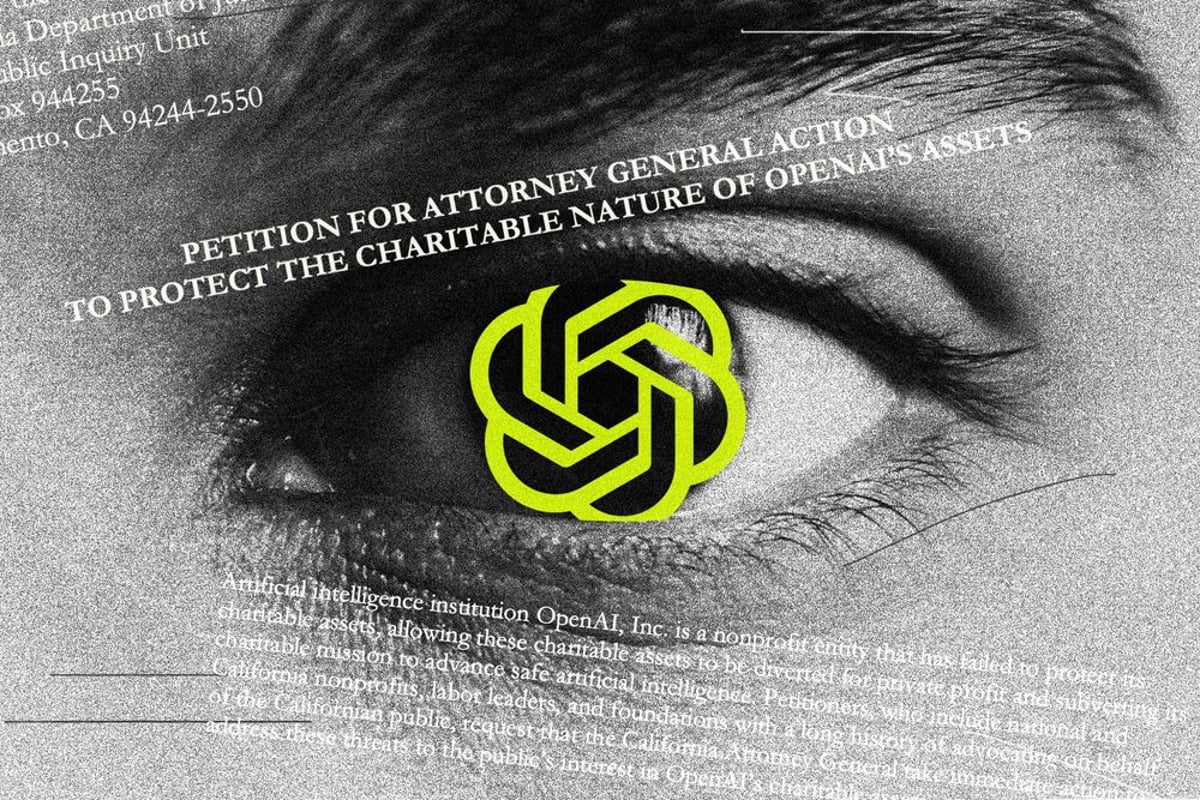
A growing coalition of advocacy groups is mobilizing to block OpenAI's controversial plans to abandon its nonprofit structure, arguing the AI giant has betrayed its founding mission while reaping tax benefits. The EyesOnOpenAI coalition, featuring TechEquity and LatinoProsperity leaders, represents the most organized opposition yet to OpenAI's quest for a traditional corporate structure that would unlock billions in funding and pave the way for an eventual IPO.
OpenAI finds itself under siege from an unlikely quarter: a coalition of advocacy groups determined to hold the world's most valuable AI company accountable to its nonprofit roots. The EyesOnOpenAI coalition, led by Catherine Bracy of TechEquity and Orson Aguilar of LatinoProsperity, represents the most coordinated challenge yet to CEO Sam Altman's plans to transform the company into a traditional for-profit entity.
The battle centers on OpenAI's original 2015 charter, which established the company as a nonprofit specifically to prevent investors from steering artificial intelligence development toward potentially harmful paths. That structure survived the dramatic 2023 board coup that briefly ousted Altman, but now faces its greatest existential threat as the company eyes massive funding rounds and an eventual public offering.
"OpenAI has enjoyed the advantages of being a nonprofit while drifting away from its mission," Bracy and Aguilar argue in The Verge's Decoder podcast. Their coalition has launched an open letter campaign demanding transparency around the restructuring process and questioning whether the company has fulfilled its charitable obligations.
The timing couldn't be more critical. OpenAI recently explored a $500 billion valuation in potential employee share sales, underscoring the massive financial incentives driving the restructuring push. Yet the company's nonprofit status has provided significant tax advantages while positioning it as a public-interest organization rather than a traditional tech startup.
Altman has defended the proposed changes, writing in a May blog post that the restructuring would create "the largest and most effective nonprofit in history." However, OpenAI declined to comment specifically on the coalition's campaign, referring instead to Altman's earlier statements.
The advocacy groups aren't the only ones watching closely. California's Attorney General continues investigating OpenAI's nonprofit activities, as detailed in CalMatters commentary that argues for sustained regulatory scrutiny. The investigation adds legal weight to the coalition's claims that OpenAI has strayed from its charitable mission.
OpenAI has pushed back against critics, with some executives suggesting opposition groups receive funding from competing tech billionaires, according to San Francisco Standard reporting. This defensive posture suggests the company recognizes the growing threat to its restructuring timeline.
The coalition's strategy focuses on regulatory pressure and public accountability rather than legal challenges. By framing the issue as a betrayal of public trust, EyesOnOpenAI aims to complicate OpenAI's narrative that the restructuring serves the greater good. The group's emphasis on transparency particularly targets OpenAI's decision-making processes around safety and governance.
Beyond OpenAI, this fight carries implications for the broader AI industry's relationship with public accountability. Other AI companies are watching to see whether nonprofit structures can survive the pressure of massive venture funding and public market ambitions. The outcome could establish precedent for how AI companies balance profit motives with public interest commitments.
The coalition's emergence also reflects growing concern about AI governance among civil society groups. As AI capabilities expand rapidly, advocacy organizations are asserting their role in shaping how these powerful technologies develop and deploy.
The EyesOnOpenAI coalition represents a pivotal test of whether public interest groups can influence the trajectory of AI's most powerful company. As OpenAI pursues billions in additional funding, the battle over its nonprofit status will likely determine whether mission-driven structures can survive Silicon Valley's relentless pressure toward traditional corporate models. For the broader AI industry, this fight could establish crucial precedents about corporate accountability in an era of unprecedented technological power.