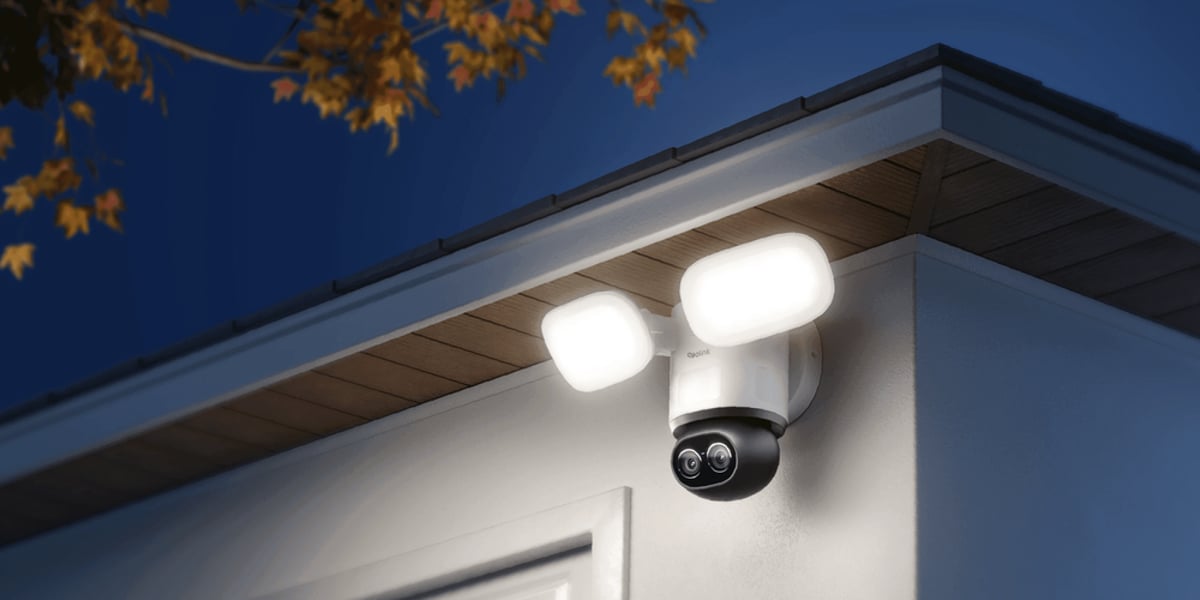
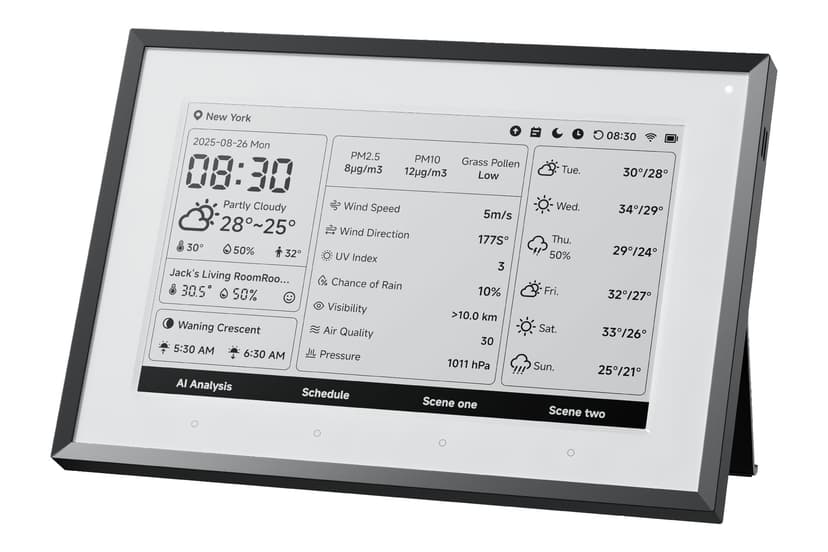
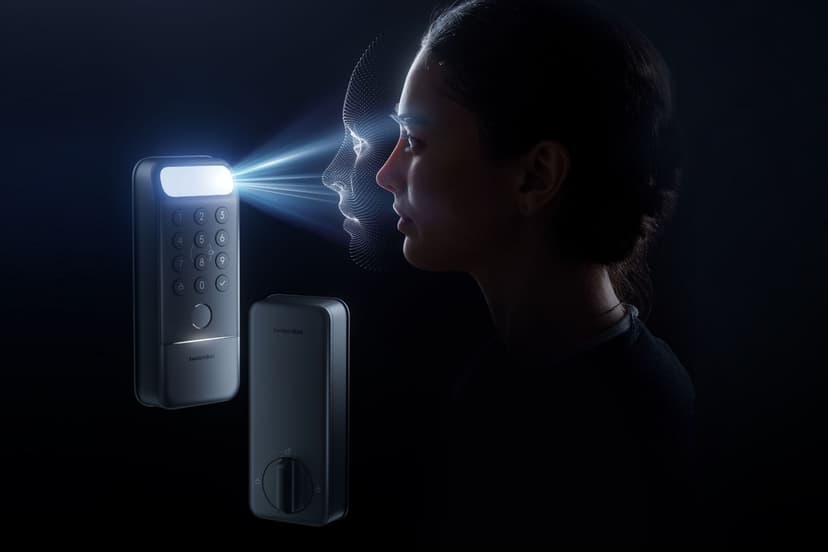
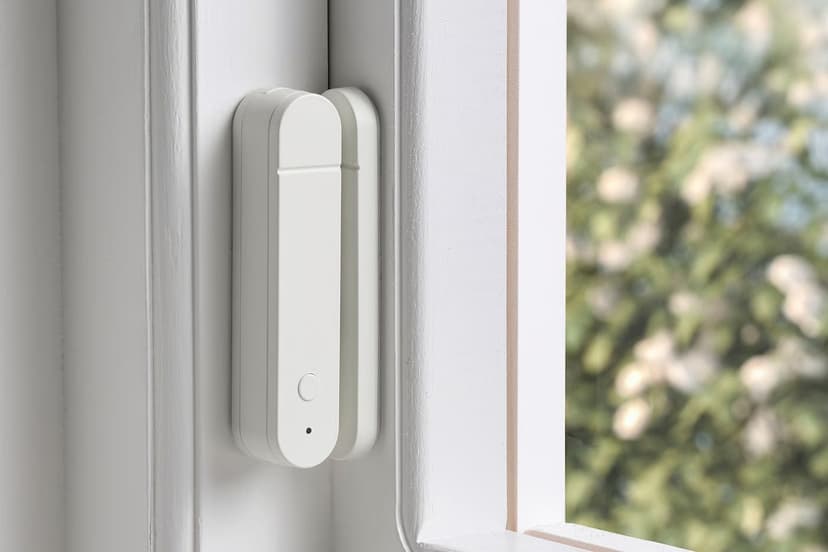
Reolink just unveiled a game-changing security camera at IFA 2025 that could reshape the home security market. The TrackFlex Floodlight WiFi delivers 360-degree tracking with built-in AI video search—all processed locally without subscription fees, directly challenging the cloud-dependent business models that have dominated the industry.
Reolink is making a bold play against the subscription economy that's taken over home security. The company's new TrackFlex Floodlight WiFi, announced at IFA 2025, packs sophisticated AI-powered video search directly into the device—no monthly fees required.
The timing couldn't be more strategic. While competitors like Ring and Nest have built their business models around cloud subscriptions, Reolink is betting consumers are ready for a different approach. The TrackFlex processes everything locally with 512GB of onboard storage, letting users search through footage without sending data to external servers or paying recurring fees.
The hardware specs back up this ambitious positioning. The dual-lens system captures 4K video with both wide-angle and telephoto options, while pan-tilt controls provide complete 360-degree coverage. The standout feature is 270-degree "out-of-field" motion detection—the camera can actually rotate to capture movement before subjects enter the current frame, according to Reolink's technical specifications.
[embedded image]
Lighting has received equal attention. The dual adjustable floodlights pump out up to 3000 lumens and offer customizable color temperatures, letting homeowners balance security needs with aesthetic preferences. The system integrates Wi-Fi 6 connectivity alongside smart home platforms, customizable voice alerts, and a 110dB deterrent siren.
Industry observers are watching this launch closely. The security camera market has increasingly shifted toward subscription models, with basic cloud storage and AI features locked behind monthly paywalls. Ring's Protect plans start at $4.99 monthly, while Google's Nest Aware costs $8 monthly for similar AI-powered video search capabilities.
"Most rival products provide similar video search capabilities through the cloud, and charge a subscription to do so," notes The Verge's coverage of the announcement. Reolink appears to be "bucking the trend" with local processing.
The broader implications extend beyond individual product features. As AI processing becomes more efficient and affordable, the technical barriers to local computation are falling. Companies like Apple have already demonstrated powerful on-device AI with their latest chips, and that capability is trickling down to specialized hardware.
Reolink's bet faces real challenges, though. Local processing means limited computational power compared to cloud-based systems. The company hasn't detailed how sophisticated the AI search capabilities will be, or how they'll improve over time without cloud-based machine learning updates.
Pricing remains the critical unknown. Reolink hasn't announced costs for the TrackFlex, but the economics need to work for both company and consumers. The device must overcome higher upfront hardware costs while offering enough value to justify skipping subscription revenue streams that competitors rely on.
The security camera market is ripe for disruption. Consumer frustration with subscription creep has been building, especially as basic features get moved behind paywalls. If Reolink can deliver comparable AI performance at a competitive one-time price, it could force the entire industry to reconsider their business models.
The TrackFlex represents more than just another security camera launch—it's a direct challenge to the subscription-first business model that's dominated home security for the past decade. Whether Reolink can execute on this vision while maintaining competitive pricing will determine if this signals a broader industry shift toward local processing, or remains a niche alternative for privacy-conscious consumers who prefer one-time purchases over recurring fees.