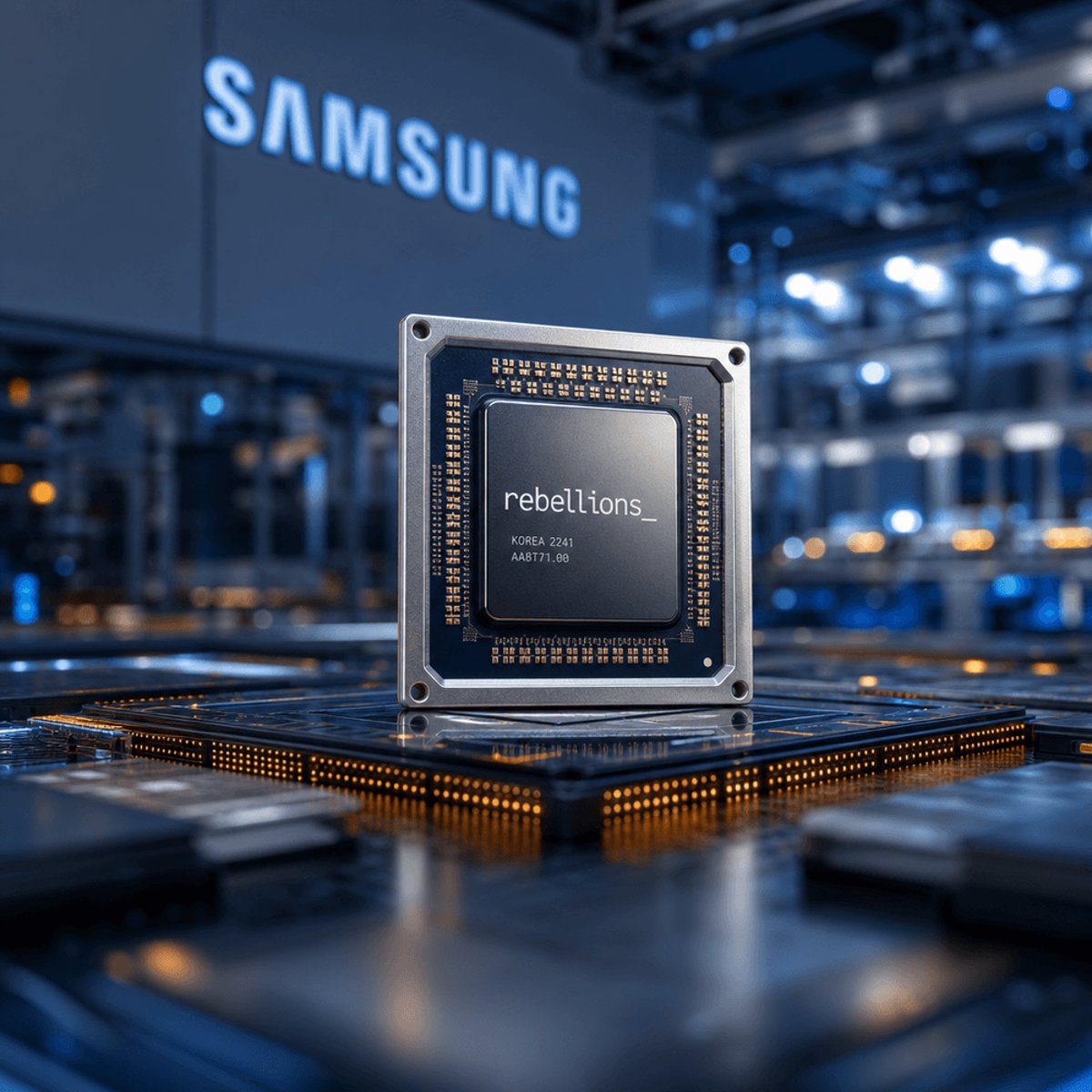
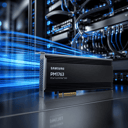
Rebellions, the Samsung-backed AI chip startup, is setting its sights on a South Korea IPO as early as next year, CEO Sunghyun Park revealed in an exclusive interview with CNBC. The move positions the company to capitalize on surging demand for specialized AI processors while competing directly with Nvidia's dominance in the space. Park told CNBC the firm is leaning toward a listing on South Korea's main KOSPI exchange rather than the tech-focused KOSDAQ, signaling confidence in the company's maturity and market readiness.
The AI chip wars just got another contender. Rebellions, the South Korean startup backed by tech giant Samsung, is preparing to go public as demand for specialized AI processors reaches fever pitch. CEO Sunghyun Park's confirmation to CNBC marks a critical milestone for the company as it transitions from startup to public market player.
Park's preference for the KOSPI over the smaller KOSDAQ exchange speaks volumes about Rebellions' ambitions. The KOSPI typically hosts South Korea's largest and most established companies, with stricter listing requirements but access to deeper pools of institutional capital. It's the kind of move that signals Rebellions isn't positioning itself as a speculative tech play but as a serious infrastructure provider in the booming AI economy.
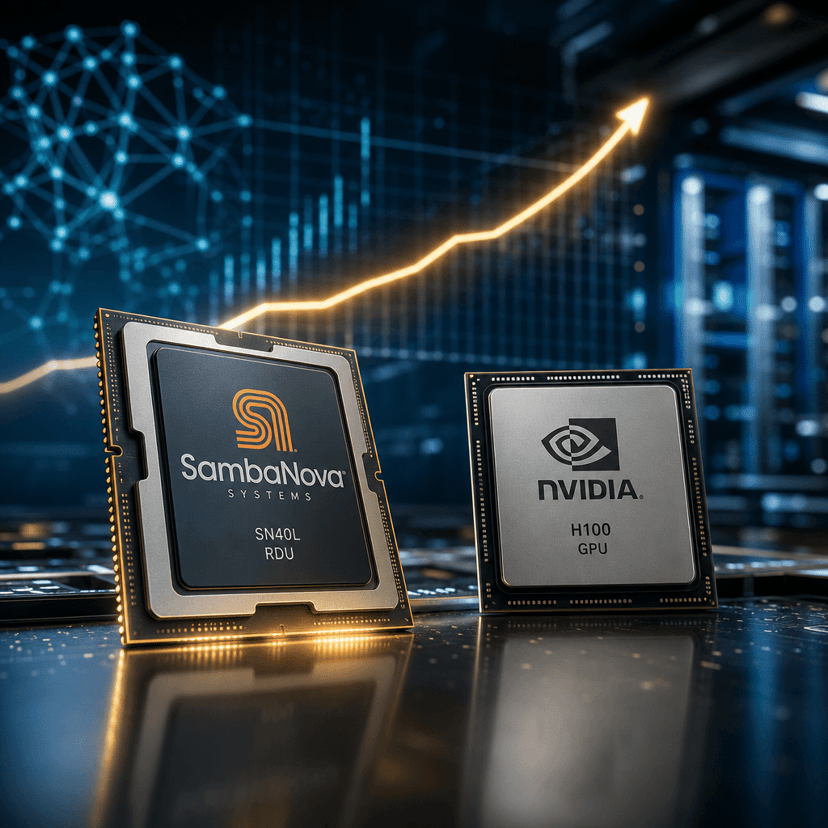
The timing couldn't be better. Global spending on AI chips has exploded as companies race to deploy large language models and machine learning systems. Nvidia has captured the lion's share of this market, with its H100 and newer chips becoming the gold standard for AI training. But that dominance has created supply constraints and sky-high prices, opening the door for challengers like Rebellions to carve out market share with specialized alternatives.
Samsung's backing gives Rebellions serious credibility and resources. The Korean electronics giant has been aggressively pushing into AI infrastructure, both through internal development and strategic investments. Samsung's semiconductor manufacturing capabilities and global distribution network could prove invaluable as Rebellions scales production and seeks enterprise customers who need alternatives to Nvidia's offerings.
Rebellions has been developing AI accelerators optimized for inference workloads, the process of running trained AI models to generate predictions or responses. While training massive models like GPT-4 grabs headlines, inference represents the bulk of real-world AI computing. Companies deploying chatbots, recommendation engines, or automated systems need efficient, cost-effective chips that can handle millions of inference requests daily. That's the market Rebellions is targeting.
The South Korean government has also been pushing hard to establish the country as an AI chip powerhouse, providing subsidies and regulatory support for domestic semiconductor firms. An IPO on the KOSPI would align perfectly with these national priorities while giving Rebellions access to patriotic institutional investors eager to support homegrown tech champions competing against American and Chinese rivals.
But going public brings scrutiny. Rebellions will need to demonstrate not just technical capabilities but a clear path to profitability in a market where Nvidia holds roughly 80% share. The company will face questions about manufacturing scale, customer acquisition costs, and whether its chips can truly compete on performance and price. Investors have grown more cautious about AI startups after the initial hype cycle, demanding concrete revenue and margin visibility.
The competitive landscape has also intensified. Google and Amazon have developed their own custom AI chips to reduce dependence on Nvidia. Startups like Groq and Cerebras have raised hundreds of millions targeting the same market. Even Intel is making a renewed push with its Gaudi processors. Rebellions will need to articulate why its approach stands out in an increasingly crowded field.
Still, the fundamentals remain strong. Enterprise AI adoption continues accelerating, and no single vendor can meet global demand. Companies want multiple chip suppliers to avoid vendor lock-in and ensure competitive pricing. If Rebellions can demonstrate performance competitive with Nvidia at a lower cost, especially for inference workloads, there's a massive addressable market waiting.
Park's decision to go public rather than pursue additional private funding rounds also reflects confidence in the company's current position. An IPO provides not just capital but marketing credibility, making it easier to land enterprise contracts with Fortune 500 companies hesitant to bet on unknown startups. Public markets also create liquidity for early employees and investors, helping Rebellions compete for top engineering talent in the white-hot AI chip sector.
The next few months will be crucial as Rebellions prepares its IPO filing. Investors will scrutinize the company's customer pipeline, manufacturing partnerships, and financial projections. The valuation will need to balance growth potential against the reality that Nvidia remains the dominant player. But with Samsung's backing, strong technical foundations, and a massive market opportunity, Rebellions has positioned itself as a serious contender in the race to power the AI revolution.
Rebellions' IPO plans signal the AI chip market's maturation from a Nvidia-dominated landscape into a multi-vendor ecosystem. With Samsung's backing, a focus on the massive inference market, and strong government support, the company has real potential to capture meaningful share. But the path from promising startup to public company challenger won't be easy. Investors will demand proof that Rebellions can translate technical innovation into customer wins and sustainable margins. The IPO filing, expected in the coming months, will reveal whether the company has the fundamentals to compete at the highest level. For now, the AI chip wars have another well-funded player ready to enter the ring.