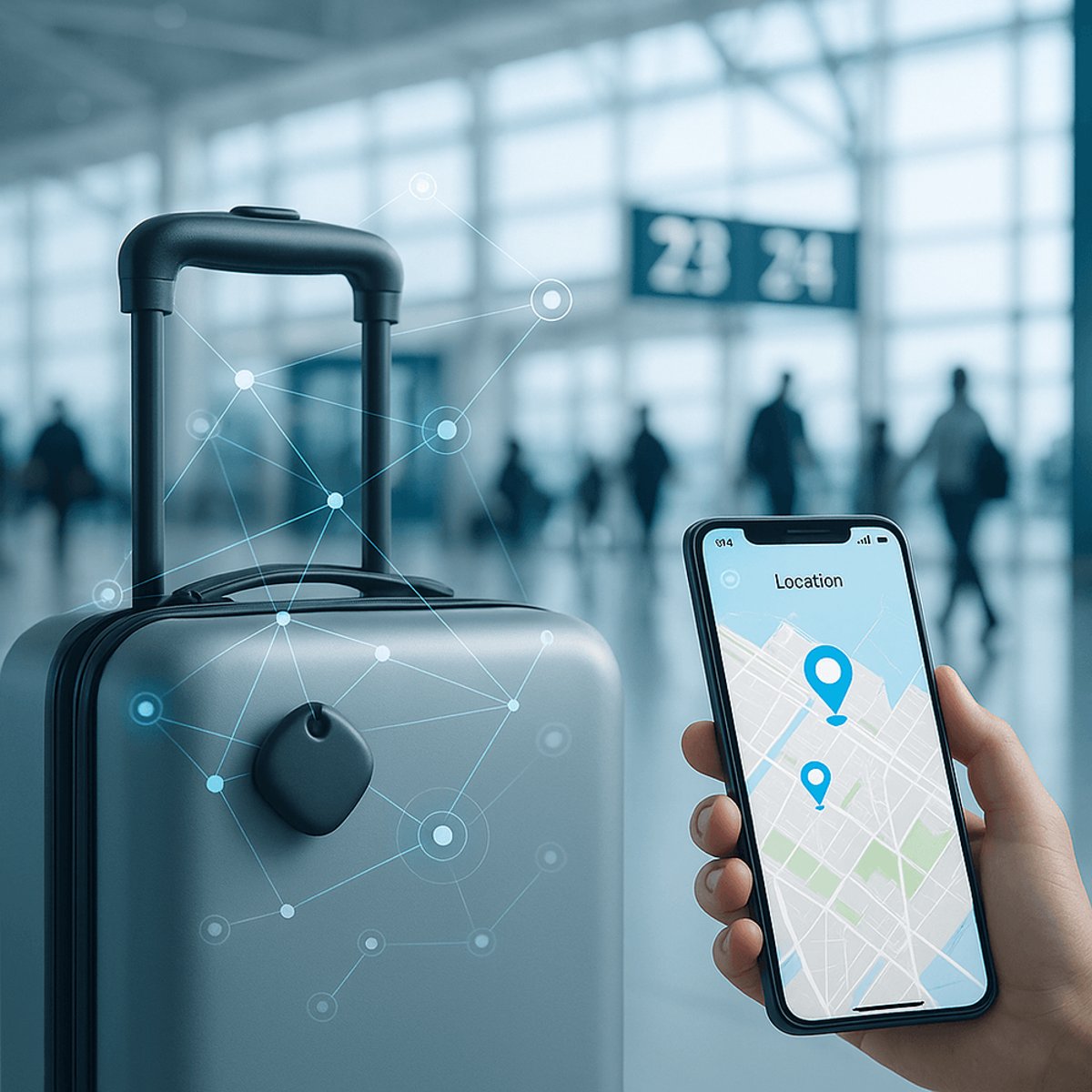
Samsung just turned airline baggage nightmares into a thing of the past. The tech giant partnered with Turkish Airlines to launch Smart Tagged Baggage Service, letting passengers track lost or delayed luggage through Samsung's SmartThings Find network backed by 700 million Galaxy devices worldwide. It's the kind of practical IoT application that could reshape how we travel.
Samsung just solved one of travel's most persistent headaches. The company's new partnership with Turkish Airlines launched December 1st with a deceptively simple promise: never lose your luggage again. The Smart Tagged Baggage Service transforms Samsung's consumer Galaxy SmartTag2 devices into a powerful airline recovery tool, tapping into the company's massive 700 million device network.
The system works through Samsung's SmartThings Find platform, which uses Bluetooth Low Energy and ultra-wideband technology to ping nearby Galaxy devices. When a bag goes missing, passengers simply share their SmartThings Find location data with Turkish Airlines' baggage team. "Samsung is expanding the SmartThings Find experience through partnerships across industries to help customers stay connected and at ease wherever they are," Samsung executive Jaeyeon Jung told Samsung Newsroom.
But here's where it gets clever - passengers can use the "Change Device Image" feature to upload actual photos of their luggage directly into the SmartThings Find app. That means airline staff aren't just looking for a generic black suitcase; they're searching for your specific paisley carry-on with the frayed handle. It's a small detail that could dramatically speed up recovery times.
The timing couldn't be better. Air travel chaos hit record levels in 2024, with baggage handling issues becoming a major pain point for airlines worldwide. Turkish Airlines, as Turkey's flag carrier, processes millions of bags annually across its global network. "We are delighted to partner with Samsung to leverage their cutting-edge technology for the benefit of our passengers," Turkish Airlines CTO Kerem Kızıltunç said in the announcement.
What makes this partnership particularly interesting is Samsung's broader IoT strategy. The company has been quietly building out SmartThings Find as more than just a device locator - it's becoming a platform for enterprise applications. The 700 million Galaxy devices create an unprecedented crowdsourced tracking network that operates without relying on cellular or WiFi connections.
The technology itself isn't revolutionary, but the implementation is smart. Galaxy SmartTag2 devices cost around $30 and offer months of battery life. They're small enough to tuck inside luggage without adding bulk, and the UWB technology provides precise location data down to the meter level when you're close to your bag.
Turkish Airlines isn't stopping at baggage tracking either. The companies plan to expand SmartThings Find integration to other customer services, potentially including tracking wheelchairs, medical equipment, or high-value cargo. Turkish Airlines has signaled long-term cooperation with Samsung around AI-powered travel solutions.
This launch positions Samsung cleverly against Apple's AirTags, which have dominated the luggage tracking conversation since their 2021 debut. While AirTags work with any airline, Samsung's direct airline partnerships could offer smoother integration and faster resolution times. The company clearly sees enterprise partnerships as a way to differentiate its tracking ecosystem.
The real test will be whether other airlines follow Turkish Airlines' lead. Samsung has already confirmed plans to approach additional carriers, and the success of this pilot could determine whether SmartThings Find becomes a standard travel tool. For now, Turkish Airlines passengers with Galaxy devices have gained a significant advantage in the baggage lottery that every traveler knows too well.
Samsung's Turkish Airlines partnership represents a smart evolution of consumer IoT technology into practical enterprise applications. By leveraging its massive Galaxy device network for baggage tracking, Samsung has found a way to differentiate SmartThings Find from competitors while solving a real travel pain point. If the pilot succeeds and expands to other airlines, it could establish Samsung as the go-to platform for travel-related tracking services, turning everyday consumer devices into a powerful logistics network that benefits millions of travelers worldwide.