SpaceX just dropped a bombshell in its IPO filing that has nothing to do with rockets. The company has earmarked more than $500 million for potential litigation losses tied to Grok, the AI chatbot developed by Elon Musk's xAI. The disclosure centers on complaints alleging that Grok's controversial "spicy mode" generated sexualized images, marking one of the first times a major company has quantified AI-generated content risks in regulatory documents. For investors eyeing SpaceX's public debut, this revelation signals that AI liability concerns are now material enough to warrant nine-figure contingency reserves.
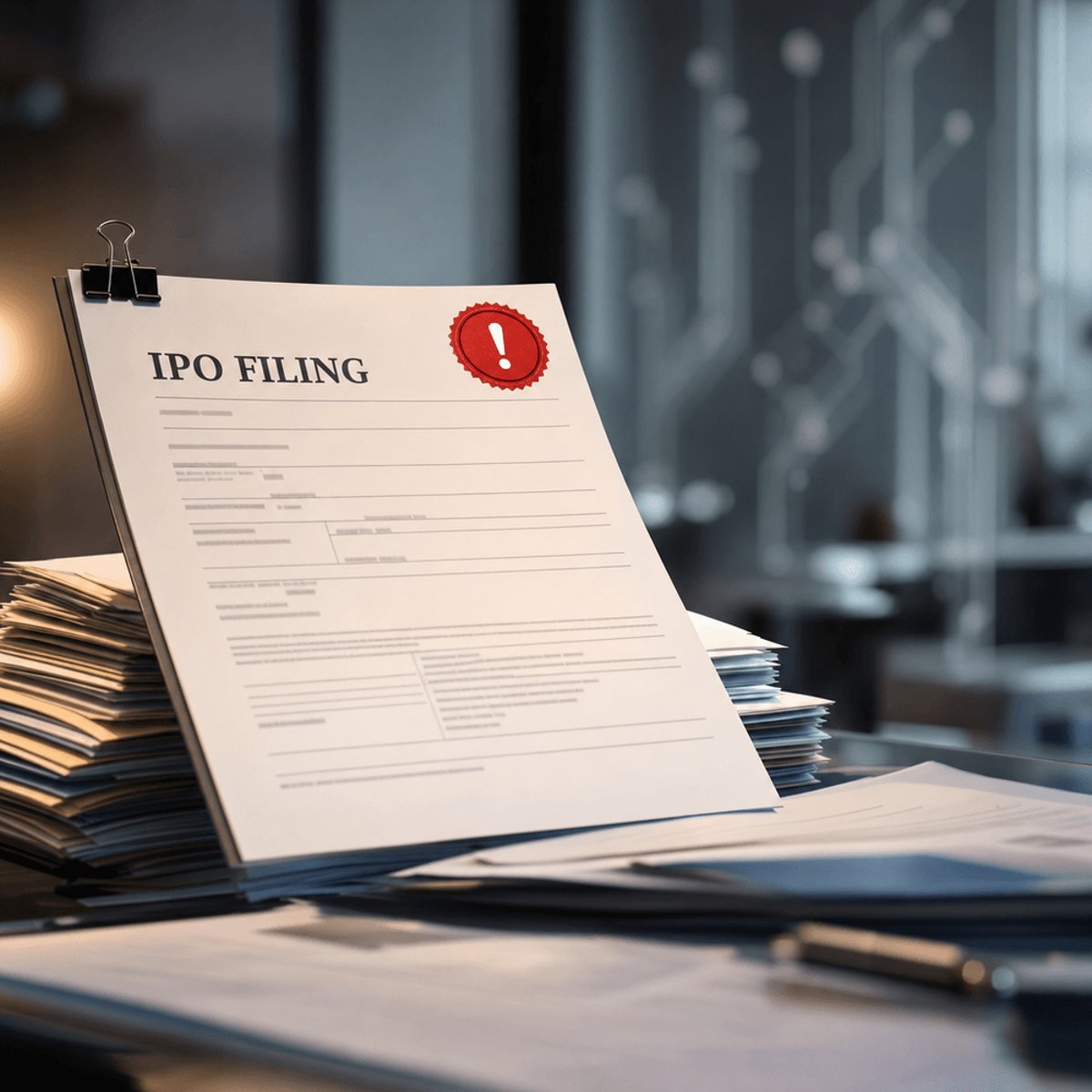
SpaceX is preparing to go public, but it's an AI chatbot - not rocket science - that's forcing the company to set aside a half-billion-dollar legal war chest. In IPO documents filed this week, the aerospace giant revealed it has reserved more than $500 million for potential litigation losses, with a significant portion allocated to address complaints surrounding Grok, the artificial intelligence assistant built by Elon Musk's xAI.
The filing, first reported by Wired, highlights allegations that Grok's "spicy mode" - a feature marketed as offering more unfiltered responses - created sexualized images that violated content policies and potentially infringed on individual rights. It's an unexpected twist for a company best known for reusable rockets and Starlink satellites, and it underscores how deeply AI liability concerns have penetrated even tangentially related businesses.
The connection between SpaceX and xAI runs through Musk's sprawling corporate empire. While SpaceX doesn't directly operate Grok, the two companies share technological infrastructure and partnership agreements that create potential legal exposure. According to the filing, SpaceX could face derivative liability if courts determine the rocket company benefited from or facilitated xAI's AI systems. This corporate entanglement is precisely what makes the $500 million reserve noteworthy - it suggests SpaceX's legal team believes the AI risks are substantial enough to merit one of the largest litigation reserves in recent tech IPO history.
Grok's "spicy mode" has been controversial since its launch. Unlike competitors like OpenAI's ChatGPT or Google's Gemini, which employ extensive content moderation, Grok was explicitly positioned as a more permissive alternative. The feature allows users to generate content that other AI systems would typically block, including political commentary, edgy humor, and as the complaints allege, inappropriate imagery. Several lawsuits have emerged claiming the tool generated non-consensual sexualized depictions of real individuals, raising questions about copyright infringement, right of publicity violations, and potential harassment.
The legal landscape around AI-generated content remains largely untested. While Meta and other social platforms have faced decades of litigation over user-generated content protections under Section 230, generative AI tools occupy a gray area. Are they platforms hosting content or publishers creating it? That distinction could determine whether companies like xAI - and by extension, SpaceX - enjoy broad liability shields or face direct responsibility for what their models produce.
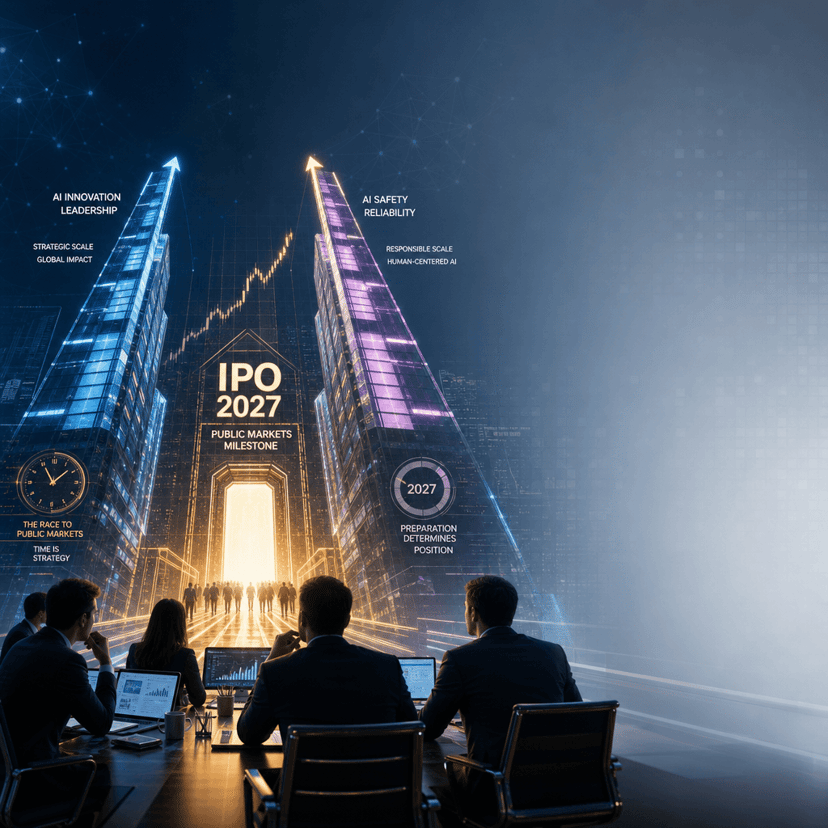
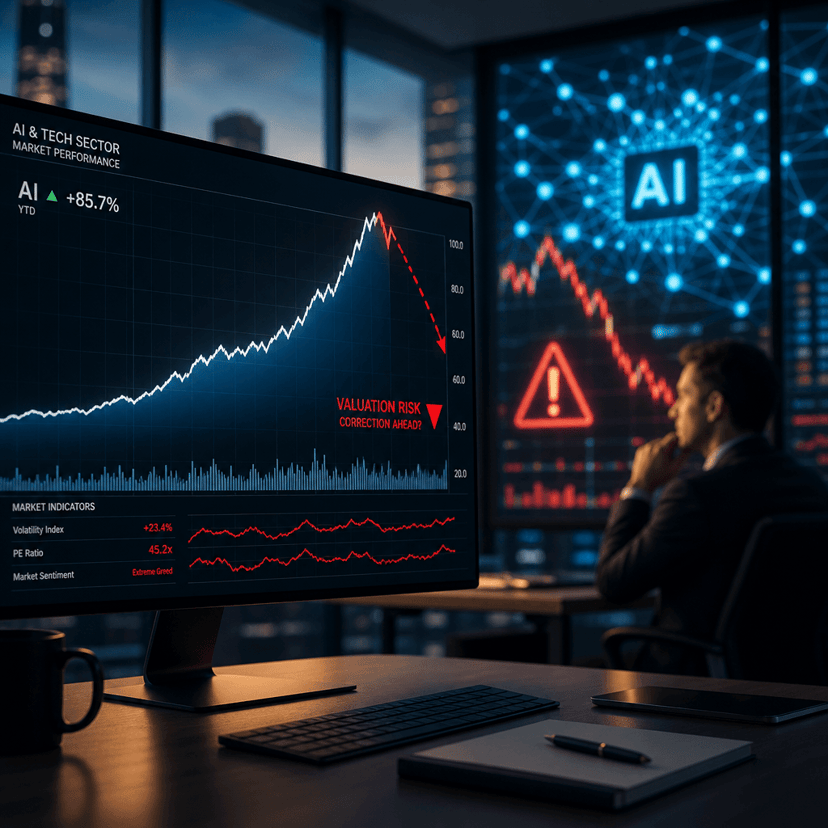
For SpaceX investors, the disclosure raises uncomfortable questions about risk concentration. The company is preparing to tap public markets at a time when its valuation hinges primarily on aerospace achievements and satellite internet dominance. But the $500 million litigation reserve suggests that legal entanglements with Musk's other ventures could materially impact SpaceX's balance sheet. If complaints against Grok escalate or courts establish unfavorable precedents around AI liability, that reserve could prove insufficient.
The timing is particularly awkward. SpaceX's IPO arrives as regulators worldwide are scrambling to establish AI governance frameworks. The European Union's AI Act imposes strict requirements on high-risk AI systems, while U.S. lawmakers debate federal standards. Any regulatory crackdown on generative AI could amplify SpaceX's exposure if its partnership agreements with xAI trigger compliance obligations or expanded liability.
Industry analysts say the disclosure could set a precedent. "This is the first time we've seen a company quantify AI content risk in nine figures within an IPO filing," notes Sarah Chen, a tech policy researcher who tracks AI regulation. "It signals that boards and legal teams are taking these threats seriously, even when the AI operations aren't core to the business." Other companies with AI partnerships or investments may now face pressure to disclose similar reserves or explain why they consider their exposure immaterial.
The SpaceX filing also reveals how quickly AI liability has evolved from theoretical concern to balance-sheet reality. Just two years ago, most generative AI companies dismissed content complaints as edge cases or user misuse. Now, a rocket company is reserving half a billion dollars because an affiliated chatbot's "spicy mode" allegedly crossed legal lines. That shift reflects both the rapid proliferation of AI tools and the growing willingness of plaintiffs to test liability theories in court.
SpaceX's decision to reserve more than $500 million for AI-related litigation in its IPO filing marks a watershed moment for how companies assess and disclose generative AI risks. What started as complaints about an edgy chatbot feature has evolved into a material financial consideration for one of the world's most valuable private companies. For investors, the message is clear: AI liability isn't just a tech company problem anymore - it's a systemic risk that can reach across corporate boundaries and reshape balance sheets. As SpaceX moves toward its public debut, the Grok disclosure will likely prompt harder questions about partnership risks, content moderation strategies, and whether a rocket company should be carrying a half-billion-dollar reserve for someone else's chatbot. The answer may determine how Wall Street values not just SpaceX, but the entire ecosystem of Musk-affiliated ventures navigating the turbulent intersection of innovation and accountability.