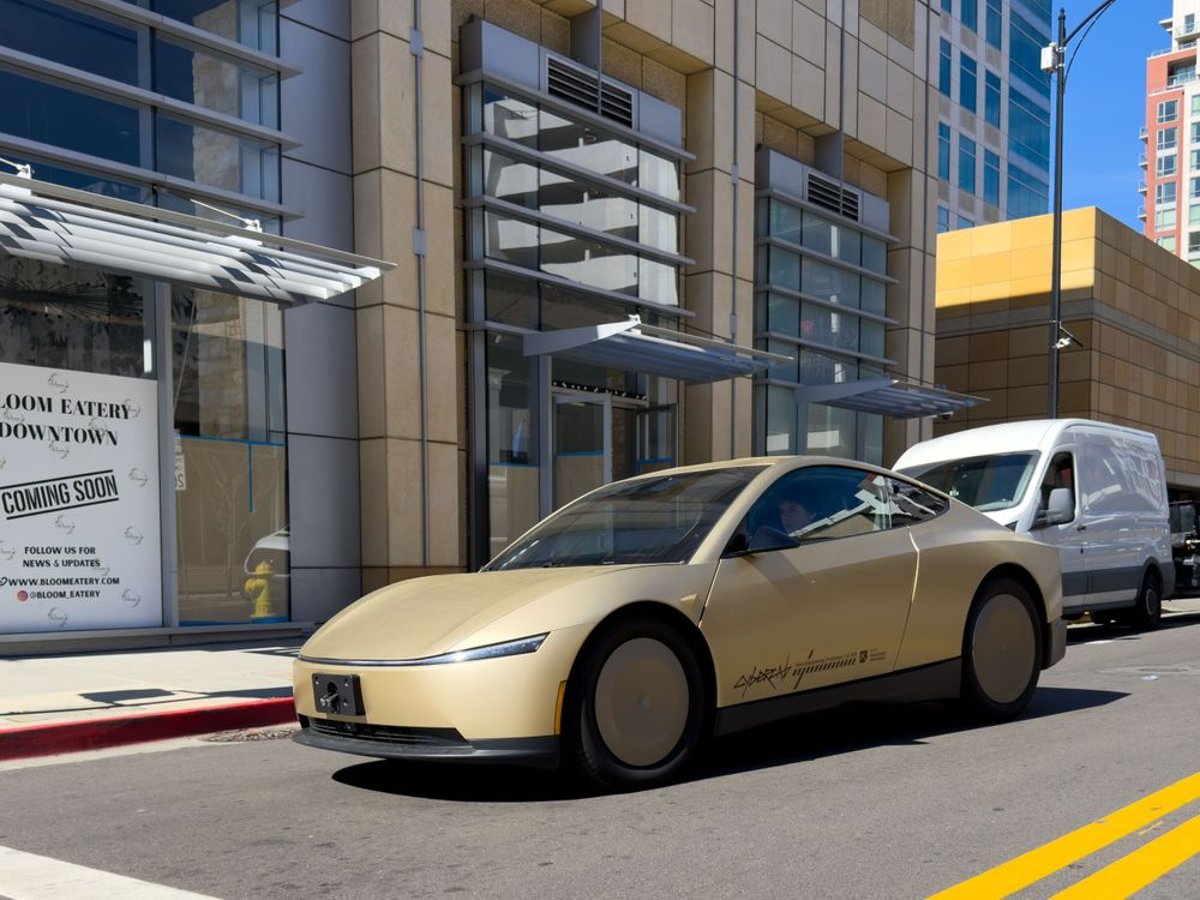
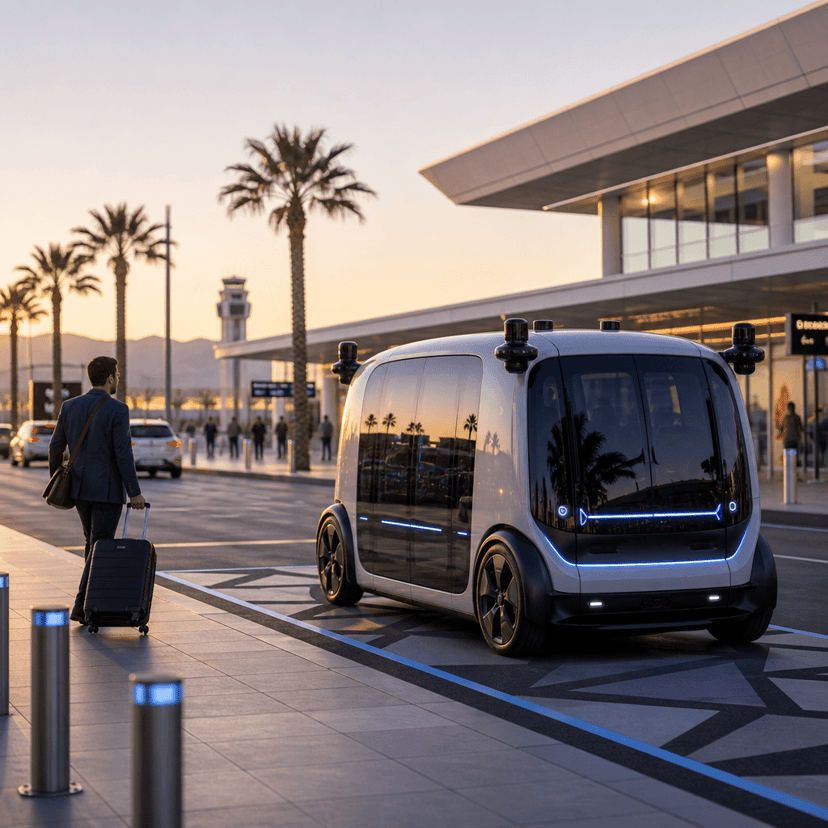
Tesla just launched the Cybercab, the robotaxi Elon Musk has been teasing for years, and the rollout was almost eerily quiet. No livestream, no press conference, just a closed-door event in Austin stacked with friendly influencers. For a company that usually turns product launches into spectacle, the silence says a lot about where Tesla's autonomous vehicle bet actually stands right now.
Tesla finally pulled back the curtain on the Cybercab today, but instead of the usual Musk-style theater, the company opted for something almost the opposite: a closed-door event in Austin, Texas, with no livestream and a guest list built almost entirely from friendly faces. It's a strange way to introduce what Elon Musk has repeatedly called the future of the company, especially after years of teasers, delays, and increasingly bold promises about driverless cars taking over American roads.
According to The Verge, the event's low-key format meant that pro-Tesla accounts on X, the platform Musk also owns, had nothing official to broadcast. So they improvised, streaming a third-party webpage that simply tracks how many Tesla robotaxis are currently operating in Texas. That's not exactly the kind of polished unveiling you'd expect for a vehicle Musk has bet the company's future on.
The format itself isn't new. It mirrors last year's robotaxi launch, which also leaned on a curated group of pro-Tesla influencers rather than independent press or analysts who might ask harder questions. It's a pattern that's become increasingly familiar: control the narrative by controlling who's in the room. One invitee, Chuck Cook, shared his impressions of the event on social media, adding to the trickle of firsthand accounts that filled the information vacuum left by the absence of an official stream.
The timing matters here. Musk has spent years hyping full self-driving and robotaxi networks as the linchpin of Tesla's valuation, arguing that autonomy, not car sales, is where the real money will be made. That thesis has only grown more central to the company's identity as EV demand growth has cooled and competition from BYD and other automakers has intensified globally. Tesla's stock has increasingly traded less like a car company and more like a bet on AI and robotics, which is exactly why a launch event this subdued stands out.
It also comes just as Musk's massive new pay package tied to AI, autonomous vehicles, and humanoid robots has put even more pressure on these product lines to deliver. If the Cybercab and the broader robotaxi push are meant to justify that kind of compensation structure, a quiet, influencer-only rollout doesn't exactly project confidence. It raises the obvious question: why not show this off to the world if it's ready?
Competing robotaxi efforts from Waymo and Zoox have taken a notably different approach, rolling out expansions with more transparency around safety data, ride volumes, and city-by-city progress. Tesla's approach, by contrast, has often relied on Musk's public statements and demos curated for maximum optimism, which has made independent verification of its self-driving claims harder to come by. That gap between promise and public proof has followed Tesla's autonomy push for years now.
For now, what we actually know about the Cybercab's real-world performance is limited to secondhand accounts and a tracker website nobody at Tesla built. Whether that changes in the coming weeks, with actual ride data, wider availability, or more transparent reporting, will say a lot about whether this launch was a quiet confidence move or a sign that the technology still has further to go before it's ready for its close-up.
Tesla's Cybercab is finally here, at least on paper, but the way it arrived tells its own story. A closed-door event, no livestream, and a room full of sympathetic voices isn't how you introduce a product you're fully confident in. For a company whose valuation increasingly hinges on autonomy delivering on its promises, readers should watch closely for actual ride data and independent verification in the weeks ahead, because right now, the loudest signal from this launch is how quiet it was.