The AI boom is creating a stark divide in tech, and the industry knows it. Even as billions pour into foundation models and infrastructure, a growing unease is settling over Silicon Valley. The vibes around the current AI explosion aren't great, even among those riding the wave. What started as a gold rush is increasingly resembling a winner-take-all game where capital, compute, and talent are concentrating in fewer hands while everyone else scrambles for scraps.
The AI revolution is eating the tech industry from the inside out, and the discomfort is palpable. While headlines celebrate breakthrough models and record funding rounds, a quieter story is unfolding in boardrooms and pitch meetings across Silicon Valley. The current AI boom is bifurcating tech into clear winners and losers, and the gap is widening faster than anyone expected.
The numbers tell part of the story. OpenAI, Anthropic, and a handful of other foundation model companies have raised billions. Microsoft, Google, and Amazon are pouring tens of billions into AI infrastructure. Meanwhile, thousands of startups are discovering that building meaningful AI products requires resources they simply don't have. The vibes, as one venture capitalist put it privately, are off.
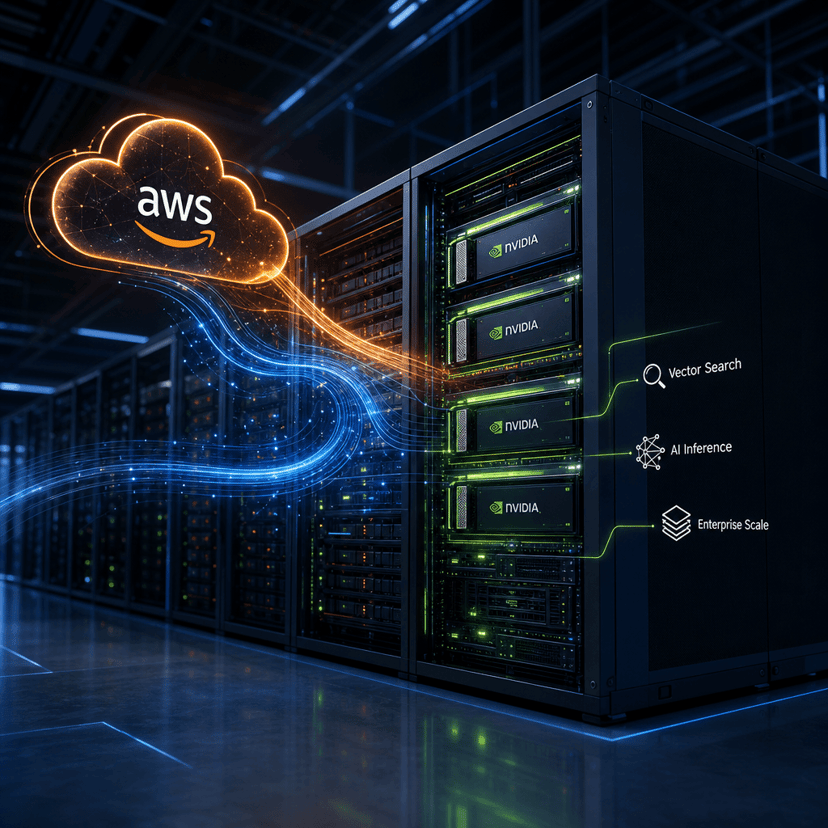
This isn't just about money. The AI gold rush is concentrating three critical resources in ways that make previous tech cycles look egalitarian by comparison. First, there's compute. Training frontier models now requires GPU clusters that cost hundreds of millions of dollars. Nvidia can barely keep up with demand from the handful of companies that can afford to place orders at that scale. Everyone else is either renting scraps or building on top of APIs they don't control.
Then there's talent. The researchers and engineers who actually understand transformer architectures, reinforcement learning from human feedback, and large-scale distributed training are vanishingly rare. They're being vacuumed up by the same companies dominating compute, often at compensation packages that would make even late-stage startup executives blanch. A capable AI researcher can now command total packages exceeding seven figures, and that's before retention bonuses kick in.
Capital is the third leg of this stool. Venture funding for AI startups hit record levels in 2025, but dig into the data and a pattern emerges. Mega-rounds are going to a tiny cohort of companies with the right pedigree, the right investors, and the right story. Everyone else is fighting over what's left. Series A rounds that would have been routine 18 months ago are now contentious battles. The bar hasn't just moved, it's been launched into orbit.
The psychological toll is starting to show. Founders who spent 2023 and 2024 scrambling to add AI features to their products are now questioning whether they're building businesses or building on quicksand. Every API they integrate represents a dependency on a potential competitor. Every model they fine-tune could be obsolete in six months. The pace of innovation at the frontier is exhilarating if you're at the frontier. For everyone else, it's exhausting.
Even within the winning companies, anxiety simmers. Meta is spending billions on AI infrastructure while its core business faces headwinds. Google is reorganizing entire divisions to focus on AI while watching OpenAI eat into its search dominance. Microsoft is betting its future on its OpenAI partnership while that very partner explores competing products. The haves are winning, but they're not exactly relaxed about it.
The have-nots, meanwhile, are getting creative out of necessity. Some are pivoting to vertical AI solutions where domain expertise matters more than model size. Others are betting on open-source models and trying to compete on implementation rather than innovation. A few are simply accepting their role as application layers on top of foundation models controlled by others, hoping that's a sustainable business. Many more are quietly exploring exit strategies.
What makes this cycle different from previous tech booms is the speed and the stakes. The internet revolution took years to shake out. Mobile had a similar timeline. AI is compressing that evolution into months. Companies are making billion-dollar bets on technology that didn't exist two years ago. Entire business models are being validated or invalidated in quarters rather than years. The velocity is disorienting even for valley veterans.
The regulatory landscape isn't helping. Governments are starting to wake up to AI's implications, but their responses are scattershot and often counterproductive. The companies with resources to navigate compliance are fine. Smaller players are drowning in uncertainty. Every new executive order or proposed regulation shifts the playing field in ways that favor incumbents.
Investors are caught in their own bind. The smart money knows that AI will be transformative, but identifying which companies will capture that value is increasingly difficult. Do you bet on the foundation model providers burning billions to train ever-larger models? The infrastructure companies selling picks and shovels? The application layer hoping to build moats through user experience? Everyone has a thesis. Nobody has certainty.
The cultural divide is perhaps most striking. Visit the offices of a well-funded AI company and you'll find the energy of a rocket ship. Visit a mid-tier SaaS company trying to retrofit AI into its product and you'll find something closer to quiet desperation. Both groups are working in AI. They might as well be in different industries.
The AI gold rush is delivering on its promise of transformation, just not the way many hoped. Instead of democratizing intelligence, it's concentrating power. Instead of creating opportunities across the board, it's sorting companies into clear tiers. The vibes are off because the industry is waking up to an uncomfortable truth: this boom has clear winners and losers, and most people are realizing which side of that line they're on. The question now isn't whether AI will reshape tech, it's whether anyone outside the handful of mega-funded players will have a meaningful seat at the table when it does.