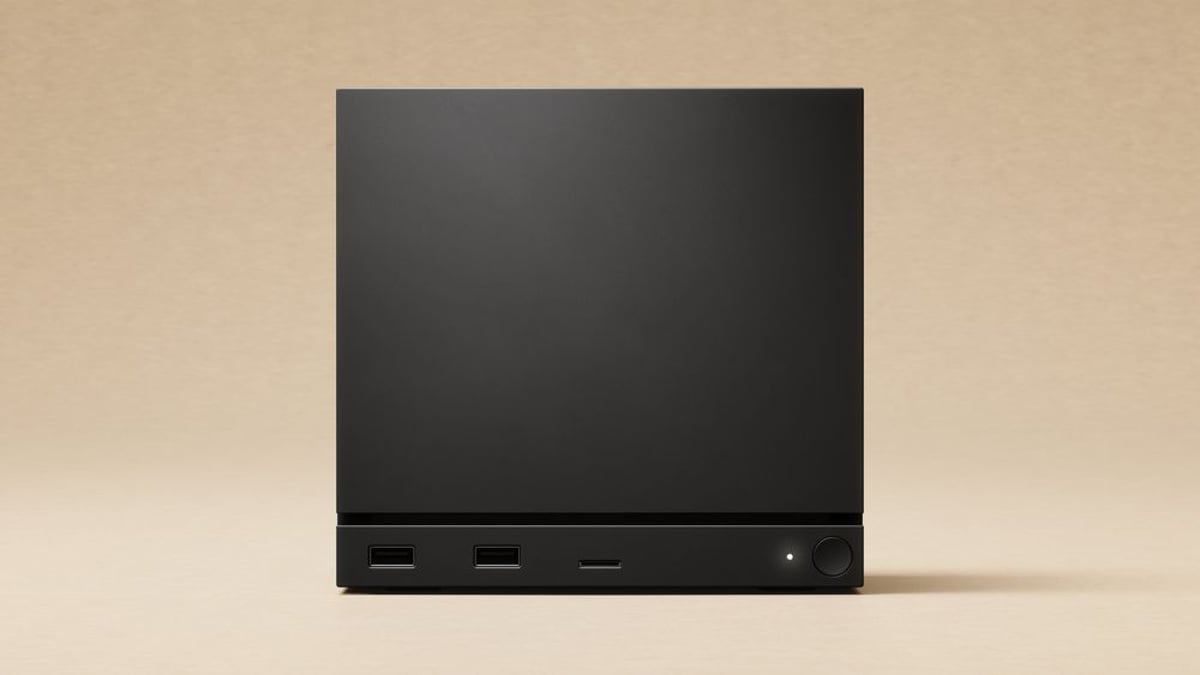
Valve just dropped a living room gaming bomb that has Microsoft scrambling. The company's new Steam Machine console delivers PC gaming power in a 6-inch cube that runs SteamOS, creating the Xbox-killer that Microsoft has been trying to build for years. With pricing comparable to high-end PCs and support for most Windows games through Valve's Proton compatibility layer, this isn't just another gaming gadget - it's a direct assault on Microsoft's next-gen Xbox strategy.
Valve just delivered the knockout punch Microsoft never saw coming. The Steam Machine isn't just another gaming console - it's the living room PC that Microsoft has been chasing for decades, except it runs Linux instead of Windows.
The timing couldn't be more brutal for Microsoft. Just as the company works to combine Windows and Xbox for its next-gen consoles, Valve drops a 6-inch cube that does exactly what Microsoft's been promising. The Steam Machine packs dual AMD chips delivering Xbox Series X performance while running virtually any Windows PC game through SteamOS.
What makes this different from Valve's failed Steam Machine attempt a decade ago? The Proton compatibility layer changes everything. Where the original Steam Machines required developers to port games to Linux, this new version runs Windows titles seamlessly - often better than they perform on Windows handhelds, according to The Verge's hands-on preview.
"Steam Machine's pricing is comparable to a PC with similar specs," Valve tells developers, signaling premium pricing that mirrors Microsoft's shift away from subsidized consoles. Microsoft already hinted its next Xbox will be "a very premium, very high-end curated experience," putting both companies in the same expensive sandbox.
But here's where it gets interesting for Microsoft. The company's Xbox Ally handhelds with Asus represent Microsoft's early attempt at Windows-Xbox fusion. Problem is, it feels like beta software shipping on a $1,000 device. Microsoft essentially created Steam's Big Picture Mode for Xbox while hiding Windows' complexity - a band-aid solution that shipped far too early.
Valve's approach is the opposite. SteamOS is already a polished, controller-friendly OS with the dominant PC gaming storefront built-in. All the pieces were ready for a living room console. Microsoft, meanwhile, is still figuring out how to make Windows and Xbox play nice together.
The competitive dynamics get messier when you consider Microsoft's OEM strategy. Sources tell The Verge that Microsoft wants hardware partners building Xbox-branded devices, just like the Asus collaboration. If Valve expands Steam Machine to OEMs - which it did successfully with SteamOS on handhelds - Microsoft faces a much bigger threat.
Microsoft Gaming CEO Phil Spencer's reaction reveals how the company is handling this challenge. Instead of concern, Spencer posted congratulations on X: "Expanding access across PC, console, and handheld devices reflects a future built on choice, core values that have guided Xbox's vision from the start."
That's corporate speak for "we're not worried," but the underlying tension runs deeper. Microsoft's been frustrated with Valve for years. Back in 2013, Valve CEO Gabe Newell described Windows 8 as a "giant sadness" and called Linux support a "hedging strategy" against Microsoft. That hedge just became a direct attack.
Microsoft does have advantages. PC Game Pass remains Windows-exclusive, and multiplayer titles like Fortnite, Valorant, and Battlefield work seamlessly on Xbox but struggle with SteamOS due to anti-cheat systems. Xbox's cloud saves and Play Anywhere features also create ecosystem lock-in that Steam can't match.
But SteamOS's performance gains over Windows in many titles should terrify Microsoft's Windows team. Combined with growing PC gamer frustration over Windows' direction - more Copilot buttons, less gaming focus - the Steam Machine becomes a wake-up call Microsoft can't ignore.
The real challenge for Microsoft isn't just hardware competition. It's convincing people to buy games from the Microsoft Store instead of Steam when the next Xbox embraces multiple storefronts. Microsoft's betting on services and subscriptions while Valve controls the storefront that matters most to PC gamers.
This isn't just about consoles anymore. It's about who owns the future of living room PC gaming - a market Microsoft's been chasing since Windows Media Center. Valve's "hedging strategy" from 2013 now looks like a decade-long plan to beat Microsoft at its own game.
Valve's Steam Machine represents more than a new console - it's the realization of Microsoft's living room PC dreams, except it runs Linux. With SteamOS already perfected and Steam's PC gaming dominance, Valve has all the pieces Microsoft is still trying to assemble. The pressure is now on Microsoft to prove its Windows-Xbox fusion can compete with a platform that's been built from the ground up for controller-based PC gaming. The next few years will determine whether Microsoft's decade-long vision becomes reality or gets steamrolled by Valve's patient execution.