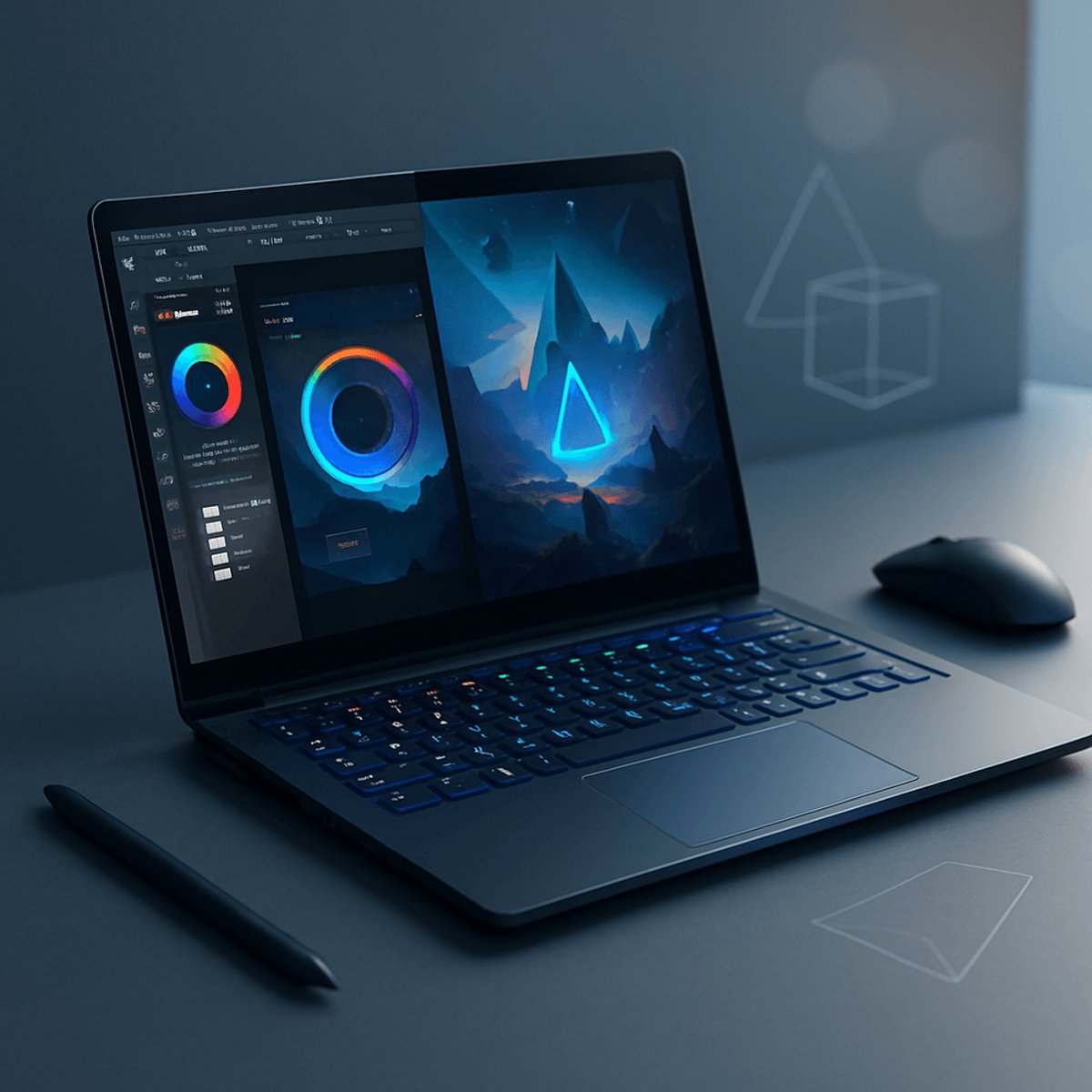
Acer is betting big on hybrid laptops with its $2,500 Predator Triton 14 AI, a machine that promises to bridge the gap between gaming powerhouse and creative workstation. The laptop packs high-end specs including an RTX 5070 GPU and comes with a stylus, but early testing reveals performance that's solid yet underwhelming for the premium price tag.
Acer just threw its hat into the increasingly crowded hybrid laptop arena with the Predator Triton 14 AI, a machine that promises to satisfy both hardcore gamers and creative professionals. But after putting this $2,500 laptop through its paces, the results tell a more complicated story than Acer's marketing suggests.
The specs sheet reads like a power user's dream. Under the hood sits an Intel Core Ultra 9 288V CPU paired with 32GB of RAM and a 1TB SSD, all powered by Nvidia's mobile GeForce RTX 5070 GPU. It's one of the most decked-out laptops I've tested recently, according to WIRED's Christopher Null, yet performance was surprisingly pedestrian across the board.
The gaming performance particularly disappoints. Despite that RTX 5070 GPU, framerates just weren't impressive enough to justify the premium pricing. Even more telling, Acer's own Predator Helios Neo 16S AI - which Null recently reviewed - delivered roughly double the gaming performance with a lower-end graphics card. That's not the kind of comparison Acer wants potential buyers making.
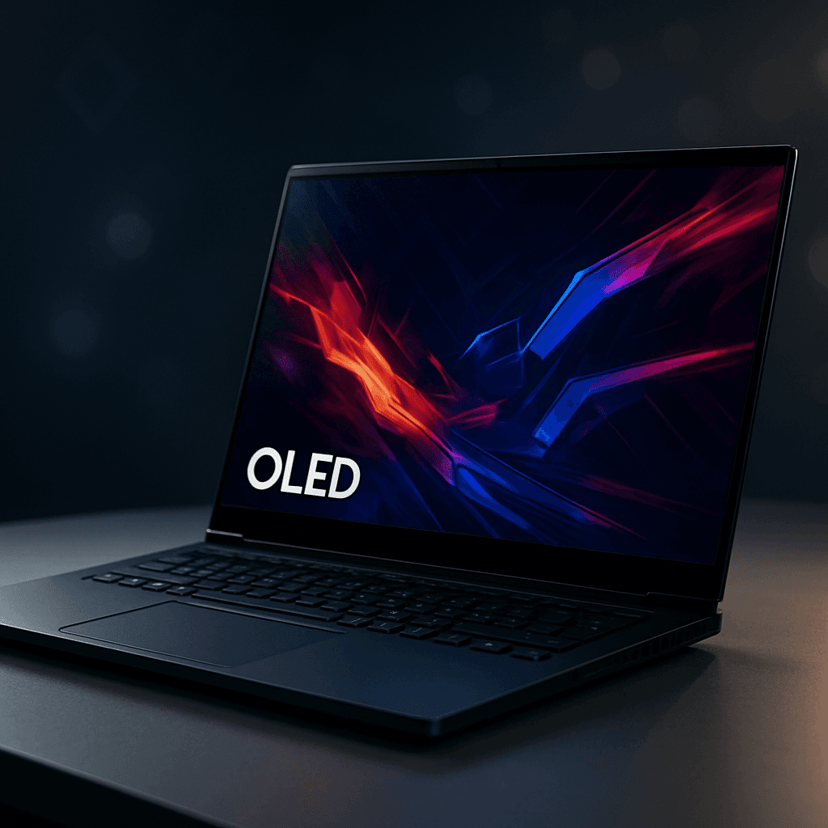
Where the Triton 14 AI does shine is in daily usability. The OLED display ranks among the brightest in its class, while the six-speaker audio system pumps out surprisingly powerful sound - perhaps too powerful, becoming painfully loud above 30% volume. The keyboard feels responsive, and the touchpad becomes genuinely enjoyable once you crank the haptic feedback to maximum.
But then there's the elephant in the room: a potentially dangerous overheating issue. During testing, the laptop began heating up while idling after benchmarks completed. The temperature kept climbing until the underside hit a scorching 144°F - hot enough to cause third-degree burns, not just discomfort. Acer couldn't explain the issue when contacted, though it didn't recur after a reboot.
Battery life clocks in at 6 hours and 50 minutes playing YouTube at full brightness - marginal for creative professionals who need all-day portability. The laptop also boots surprisingly slowly for a machine in this price range, adding daily friction that premium buyers shouldn't tolerate.
The competitive landscape makes Acer's pricing strategy even more questionable. Razer's Blade 14 delivers similar or better performance at a lower price point, leaving buyers with cash left over for dedicated creative tools like a Wacom tablet if that's their focus.
This positioning reflects broader industry trends as laptop makers scramble to capture the growing creator economy. Everyone from Apple with its MacBook Pro line to MSI with creator-focused gaming laptops is chasing users who want one machine that can edit video by day and game by night.
The inclusion of a stylus signals Acer's serious intent to court digital artists and designers. But hardware alone doesn't guarantee success in this segment - software optimization, thermal management, and real-world usability matter just as much as raw specs.
For Acer, the Triton 14 AI represents both promise and missed opportunity. The company clearly understands where the market is heading, but execution feels rushed. Premium buyers expect premium experiences, and overheating issues combined with underwhelming performance don't justify the $2,500 asking price.
The Predator Triton 14 AI showcases Acer's ambition to own the creator-gamer hybrid space, but execution doesn't match the vision. While the laptop delivers solid everyday performance and impressive display quality, the combination of thermal issues, underwhelming gaming performance, and premium pricing makes it hard to recommend over established competitors. Acer needs to nail the fundamentals before asking buyers to pay flagship prices for experimental positioning.