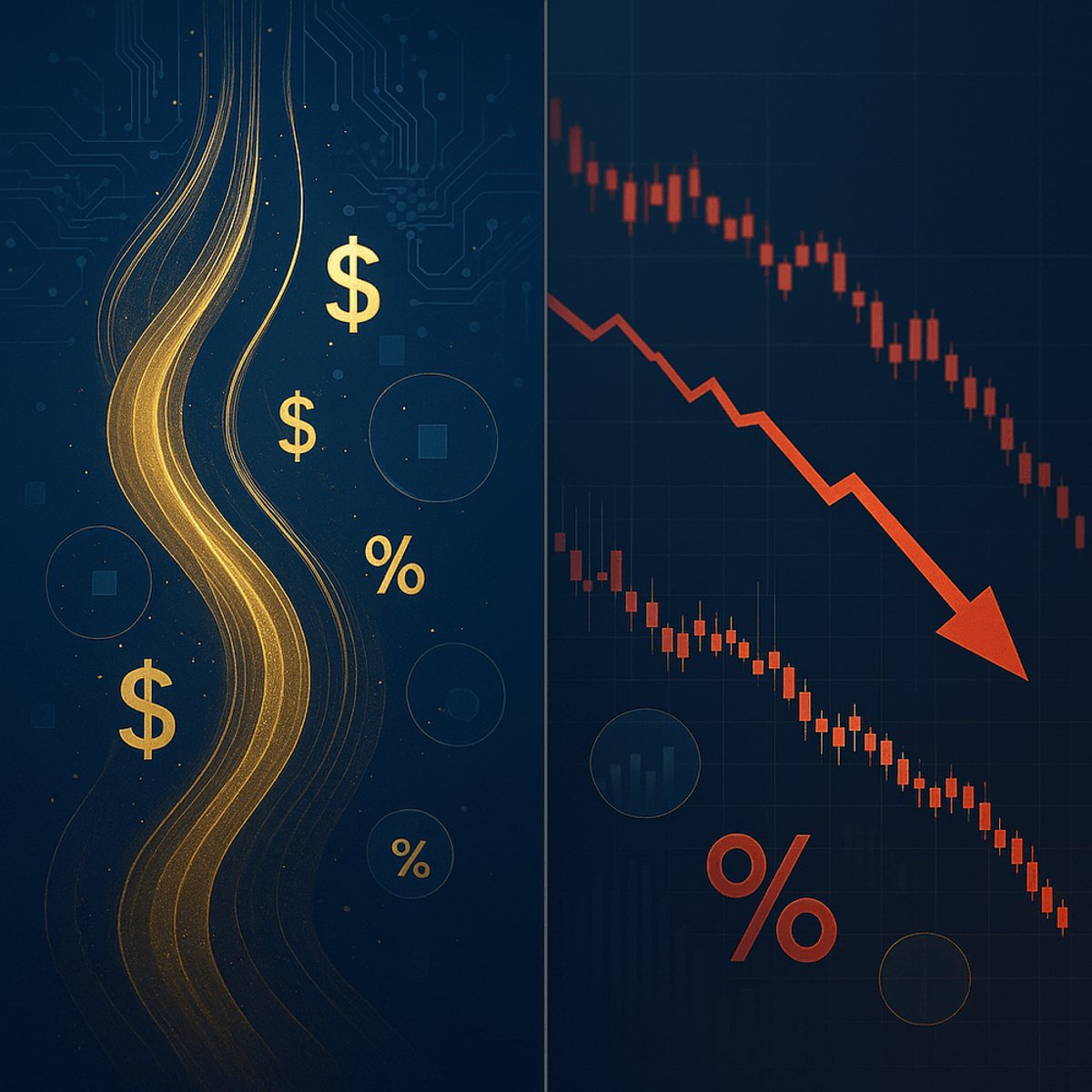
The AI investment world is creating a bizarre paradox. While Microsoft and Nvidia just committed $15 billion to Anthropic, putting the startup's valuation at $350 billion, AI stocks are hemorrhaging value for the fourth straight day. It's the classic "left hand investing while the right hand sells" scenario that's becoming AI's defining characteristic.
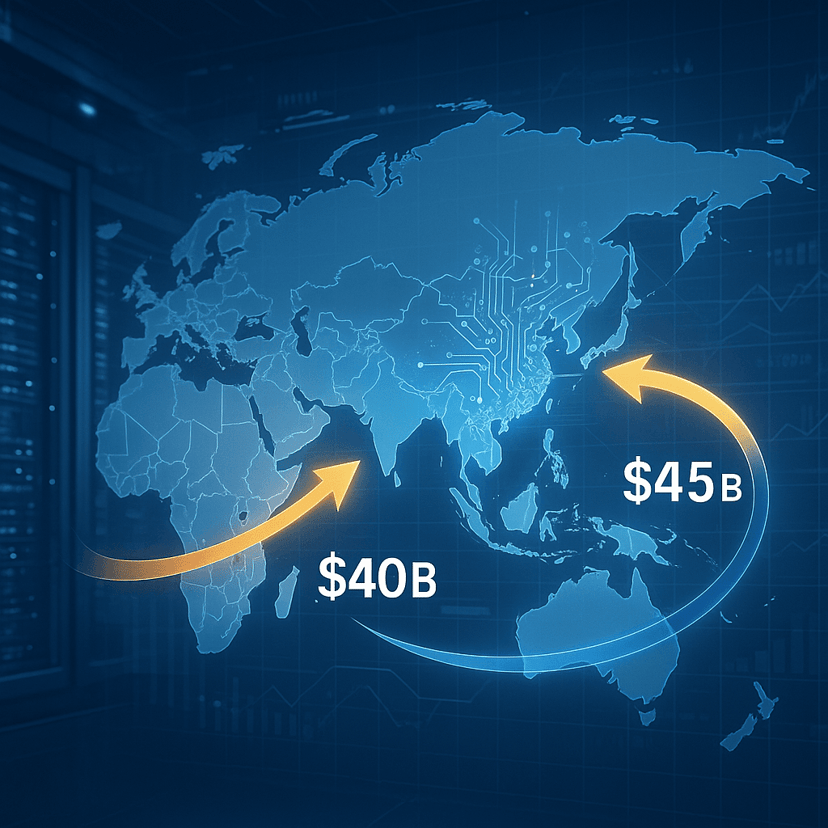
The AI money machine keeps churning, but it's flowing in only one direction - from tech giants into startups, while public investors flee AI stocks altogether. Microsoft and Nvidia just dropped a combined $15 billion into Anthropic, with Microsoft contributing up to $5 billion and Nvidia adding up to $10 billion, according to CNBC sources. The deal values the OpenAI competitor at around $350 billion.
But here's the twist that's becoming AI's signature move - Anthropic has committed to buying compute power from its two newest stakeholders. It's the same circular investment pattern that's dominated AI headlines: Company X invests in Company Y, and Company Y conveniently buys services from Company X. The arrangement creates a financial echo chamber where money flows between corporate partners while actual market validation remains elusive.
Meanwhile, public markets are sending a different signal entirely. Major AI players including Nvidia, Amazon, and Microsoft tumbled Tuesday, giving the S&P 500 its fourth consecutive losing session - the longest decline since August. Nvidia faces particular scrutiny as CFRA's chief investment strategist Sam Stovall calls it "the top company within the top industry within the top sector." If the chip giant disappoints when it reports earnings Wednesday, the broader market slide could accelerate.
Google tried to shift the narrative Tuesday by unveiling Gemini 3.0, its latest AI model. CEO Sundar Pichai promises the update will require "less prompting" for desired answers, while DeepMind CEO Demis Hassabis says it's "trading cliché and flattery for genuine insight." The rollout comes just eight months after Google introduced Gemini 2.5, highlighting the breakneck pace of AI model releases.
The disconnect between corporate AI investment and public market sentiment reveals a fundamental tension in the sector. While tech giants pour billions into AI startups and capabilities, investors are increasingly questioning when these massive investments will generate actual returns. The circular nature of many AI deals - where investors also become customers - makes it harder to gauge genuine market demand versus manufactured revenue streams.
This pattern extends beyond just Anthropic. The AI ecosystem is filled with similar arrangements where cloud providers invest in AI startups that then purchase compute capacity, creating a financial merry-go-round that may artificially inflate valuations and revenue figures. It's a self-reinforcing system that works until public markets demand proof of independent customer traction.
The timing couldn't be more critical for Nvidia, whose earnings report Wednesday will serve as a bellwether for the entire AI investment thesis. Despite record revenues from AI chip sales, the company's stock has struggled recently as investors question whether the AI spending boom is sustainable. Any disappointment could trigger broader selling across AI stocks.
Even Bitcoin felt the tech sector pressure, briefly dropping below $90,000 before recovering. European markets fared worse, with the Stoxx 600 sinking 1.72% to its lowest level in a month. The global selloff suggests investor concerns extend beyond just AI stocks to the broader technology sector's lofty valuations.
The AI investment paradox reveals a sector at a crossroads. While corporate giants continue writing massive checks to AI startups in circular deals, public markets are demanding proof that this spending will generate real returns. Nvidia's earnings this Wednesday will be the next major test of whether AI's investment boom can translate into sustainable growth or if we're witnessing the buildup to a significant correction in one of the market's most important sectors.