Apple's AirPods Pro 3 just raised the bar for wireless earbuds with double the noise reduction of their predecessors and significantly improved battery life. Wired's hands-on review confirms these are the best-sounding, most life-proof buds for iOS users yet, addressing longtime complaints about fit and longevity while adding health monitoring features.
Apple's AirPods Pro 3 are arriving at exactly the right moment. While competitors like Sony, Bose, and Google have been pushing the envelope on audio quality and features, Apple's third-generation flagship earbuds double down on what made the originals the best-selling headphones on the planet - but with significant upgrades that address every major complaint.
The headline feature is noise cancellation that's twice as effective as the Pro 2s, according to Apple's internal testing. Wired's Parker Hall confirms this isn't just marketing speak - the Pro 3s deliver "industry-leading noise canceling" that makes them ideal for anyone who "craves silence." This puts serious pressure on Sony's WF-1000XM5 and Bose's QuietComfort Earbuds, both previously considered the gold standard for active noise cancellation.
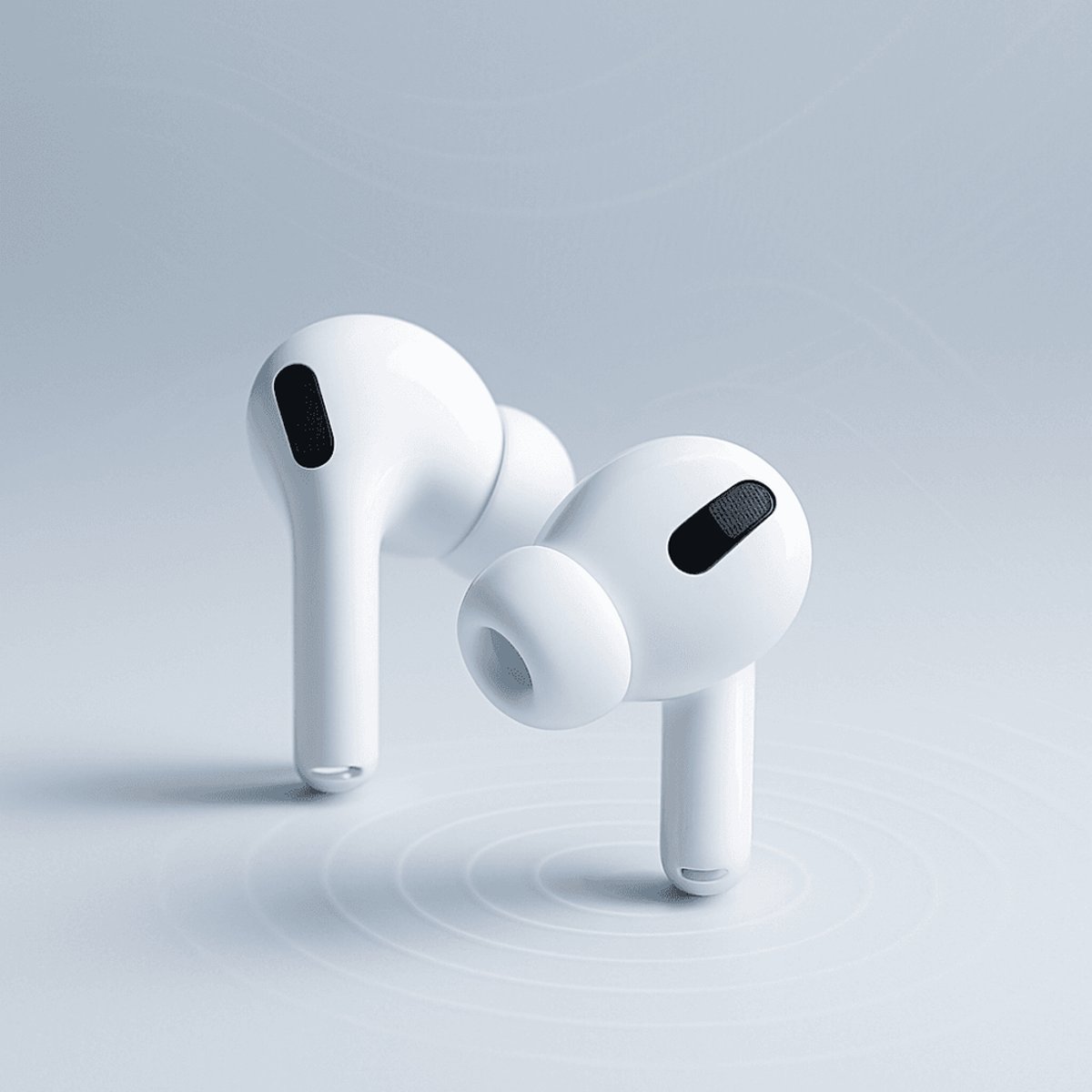
But it's the fit improvements that might matter most to everyday users. Apple claims to have conducted "some ungodly number of laser ear scans" between generations, and it shows. The Pro 3s are slightly smaller and more curved than their predecessors, with four eartip sizes ranging from XXS to L - finally addressing complaints from users with smaller ears who couldn't get a proper seal with previous models.
The new eartips themselves represent a significant upgrade, featuring thicker silicone construction with included foam elements that create a better acoustic seal than the previous all-silicone design. Multiple testers with smaller ears told Wired the Pro 3s "fit better (or fit for the first time at all) than any AirPods before."
Apple's also tackling the battery degradation issue that's plagued older AirPods Pro users. While specific numbers weren't disclosed in early reviews, the "much-needed improvements" to battery life suggest Apple has learned from the Pro 2s' tendency to lose charge capacity over time - a common complaint that often drove upgrade decisions.
The health monitoring angle is interesting but not revolutionary. Heart rate tracking through earbuds isn't new (Jabra's been doing it for years), but Apple's implementation promises the same seamless integration that makes AirPods so appealing to iPhone users. Real-time translation capabilities also hint at Apple's broader AI strategy, though details remain sparse.
What's unchanged is the core value proposition that's made AirPods Pro dominant: effortless pairing with iOS devices, reliable call quality, and that distinctive white design that's become as recognizable as the iPhone itself. The Pro 3s are "just a bit smaller" visually - you'd need to be "standing six inches away" to spot the difference, Hall notes.
For the audio market, this represents Apple doubling down on its strengths rather than chasing flashy new categories. While Meta experiments with AI-powered audio features and Amazon pushes Alexa integration, Apple's focusing on the fundamentals: better sound isolation, longer battery life, and improved comfort.
The competitive implications are significant. Sony's high-end earbuds have traditionally offered superior noise cancellation, while Bose dominated the comfort category. If Apple's claims about doubled noise reduction hold up in real-world testing, it could consolidate the premium earbud market around a single product.
Pricing and availability haven't been announced, but expect the Pro 3s to maintain the premium positioning that's made them Apple's most profitable audio product. For users still nursing aging Pro 1s or Pro 2s with "steadily depleting battery life," the upgrade path is becoming clearer.
Apple's AirPods Pro 3 represent an evolution, not revolution - but that might be exactly what the market needs. By focusing on core improvements like doubled noise cancellation, better battery life, and universal fit, Apple's addressing the specific pain points that drive upgrade decisions. For iPhone users seeking the best possible wireless audio experience, these remain the obvious choice. But for the broader earbud market, they signal Apple's intent to consolidate premium market share through refinement rather than innovation.