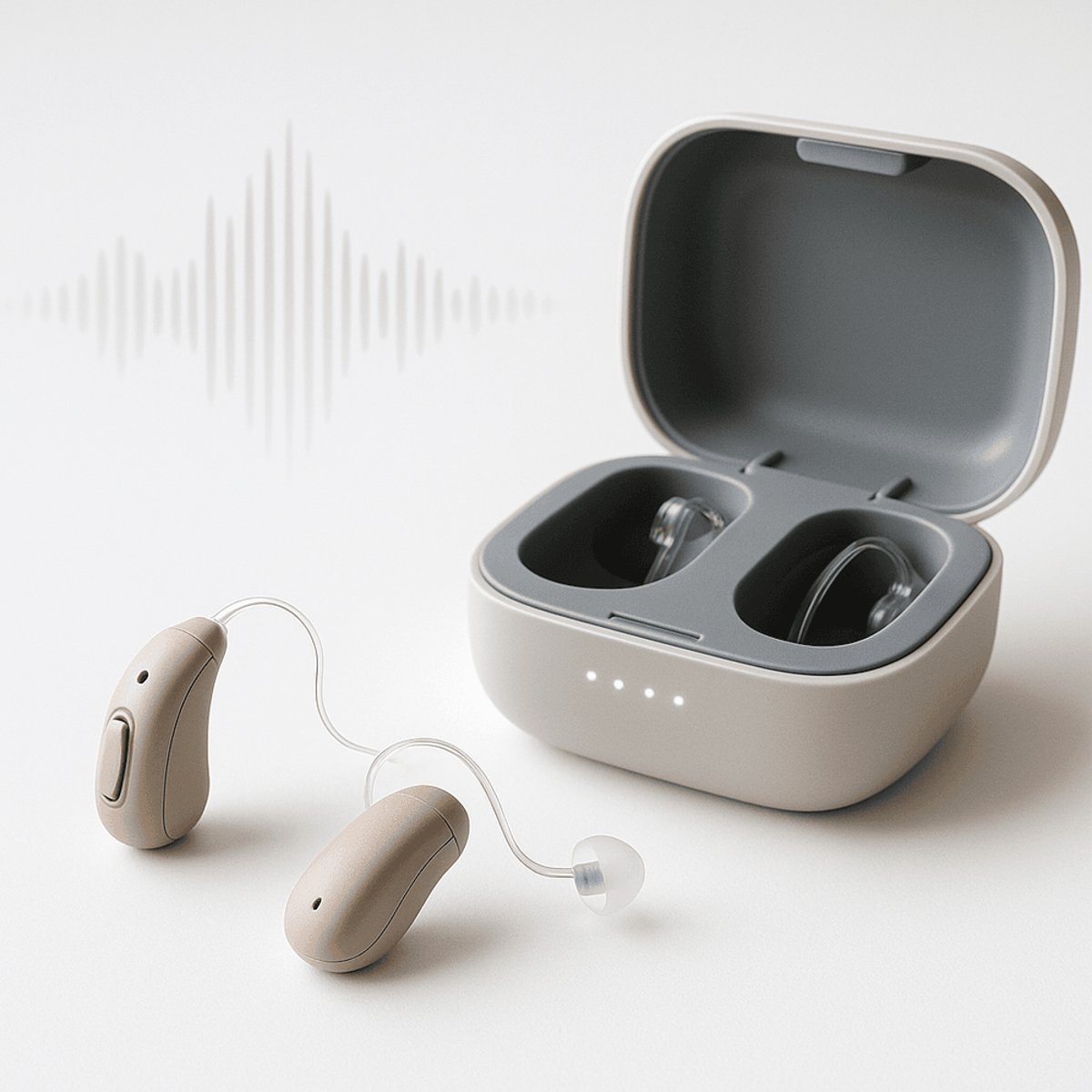
Audien Hearing is making another run at the budget hearing aid market with its new Atom X devices, priced at $389 and featuring what the company calls its most advanced charging case yet. The move signals continued pressure in the over-the-counter hearing aid space as companies try to balance affordability with meaningful tech improvements.
Audien Hearing just dropped its latest attempt to crack the budget hearing aid code. The Atom X represents the company's sixth swing at the over-the-counter market, and this time they're betting big on the case.
Priced at $389, the Atom X costs nearly four times more than last year's Atom One model, which Wired reviewer Christopher Null found underwhelming. "They just weren't very effective as hearing aids, providing a blunt amplification of every sound, whether you wanted to hear it or not—underpinned with a steady layer of hiss," Null wrote in his original review.
The company's been steadily climbing the price ladder across its five previous models, most staying under $300. But the Atom X's jump to nearly $400 suggests Audien thinks the accessories game might be more profitable than racing to the bottom on device pricing.
The hearing aids themselves haven't changed much from Audien's playbook. They're still the familiar earplug-style devices in beige, weighing 2.20 grams each. Each device sports a single control button that handles volume adjustment, media streaming, and hands-free calling when connected via Bluetooth. Volume can be adjusted independently for each ear, a feature that's become table stakes in the OTC hearing aid space.
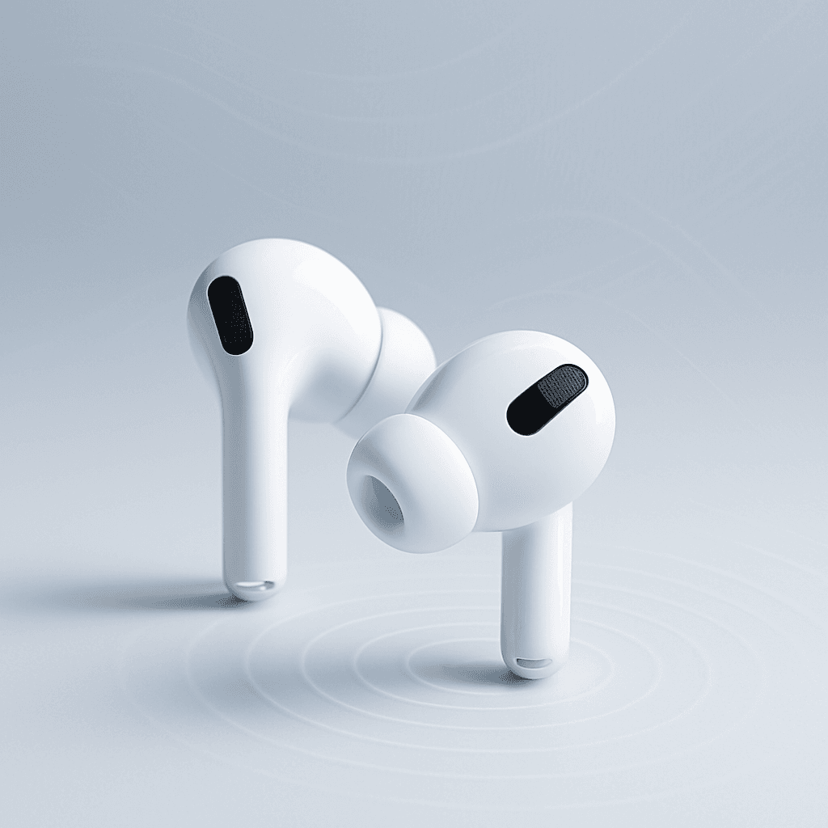
What's interesting is Audien's timing. The OTC hearing aid market has heated up significantly since the FDA opened the floodgates in 2022. Companies like Apple have entered with AirPods Pro's hearing aid features, while traditional manufacturers are pushing down-market. Even budget players like JLab have launched $99 hearing aids.
Audien's challenge has always been audio quality at these price points. The company's previous models suffered from the basic amplification approach - boosting everything rather than selectively enhancing speech frequencies where most hearing loss occurs. Industry experts have consistently pointed out that effective hearing aids require sophisticated digital signal processing, which typically drives costs above the sub-$100 range Audien originally targeted.
The Atom X's higher price point might finally give Audien room to include better audio processing chips. But the company's marketing emphasis on the "surprisingly high-tech case" suggests they're still struggling with the core audio challenge. When your biggest selling point is the charging case rather than the actual hearing performance, it raises questions about what customers are really paying for.
Another factor working against Audien: insurance coverage. While many insurance plans now cover traditional hearing aids, OTC devices like the Atom X typically require out-of-pocket payment. At $389, the Atom X sits in an awkward middle ground - too expensive for impulse buyers but not premium enough to justify the investment over proven alternatives.
The company's persistence in this market does reflect real demand. Over 48 million Americans have some degree of hearing loss, and traditional hearing aids often cost $2,000-6,000 per pair. There's clearly a market for effective mid-range options, but delivering meaningful improvements at these price points remains the industry's biggest challenge.
Competitors aren't standing still either. Sony recently launched its CRE-C10 OTC hearing aids for $999, while Jabra entered the space before pivoting away from consumer audio entirely. The market dynamics suggest consumers want either ultra-affordable options under $200 or premium devices with proven performance above $800.
Audien's Atom X represents the company's most expensive bet yet on the OTC hearing aid market, but the emphasis on case technology over audio improvements suggests they're still grappling with the fundamental challenge of delivering effective hearing enhancement at consumer-friendly prices. With the market increasingly polarizing between ultra-budget and premium options, Audien's middle-ground approach faces an uphill battle against both cheaper alternatives and more established competitors with proven audio performance.