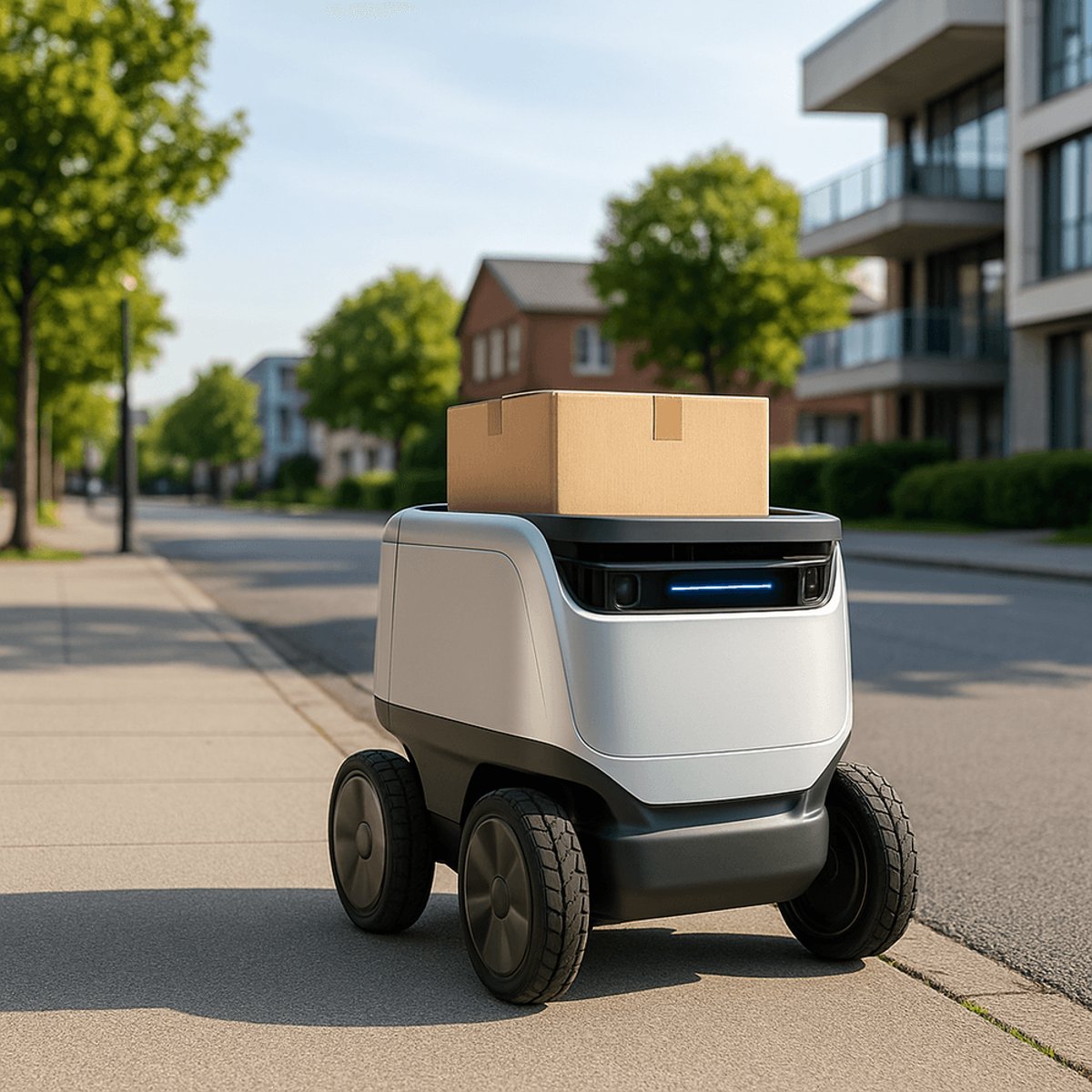
Amazon just made a major play in the race to automate last-mile delivery. The e-commerce giant acquired robotics startup Rivr in a move that signals its most aggressive push yet to replace human delivery drivers with autonomous machines. According to CNBC, Amazon plans to test Rivr's robots for "doorstep delivery" while claiming the tech will "improve safety outcomes" for its existing delivery workforce. The deal comes as Amazon faces mounting pressure to cut logistics costs while competitors race to deploy their own delivery automation.
Amazon isn't waiting around for the last-mile delivery revolution - it's buying it outright. The company's acquisition of Rivr, a relatively under-the-radar robotics startup, represents the latest salvo in the escalating war to automate the most expensive part of e-commerce: getting packages from warehouse to doorstep.
The deal, first reported by CNBC, arrives at a critical inflection point for Amazon's logistics empire. The company delivered over 5.9 billion packages globally last year, and last-mile costs continue to eat into margins even as delivery speed becomes table stakes for competing with rivals. Rivr's technology promises to tackle both problems simultaneously.
Amazon's official statement emphasizes that Rivr's robots will help "improve safety outcomes" for delivery drivers - corporate speak that's doing a lot of heavy lifting. The reality is more complex. While autonomous delivery bots could theoretically reduce workplace injuries and vehicle accidents, they also represent a fundamental shift in how Amazon thinks about its massive delivery workforce. The company currently employs hundreds of thousands of delivery drivers through its Delivery Service Partner program, and any move toward automation inevitably raises workforce displacement concerns.
This isn't Amazon's first rodeo with delivery robots. The company has been testing its Scout delivery robot since 2019, deploying the cooler-sized autonomous vehicles in select neighborhoods. But progress has been slow, and the program has faced regulatory hurdles and technical challenges navigating sidewalks, stairs, and unpredictable suburban terrain. The Rivr acquisition suggests Amazon believes it needs fresh technology and talent to accelerate its timeline.
Financial terms weren't disclosed, which is standard for Amazon's smaller strategic acquisitions. But the timing is revealing. The deal comes just months after competitors ramped up their own automation efforts. Walmart has expanded trials of autonomous delivery vehicles, while startups like Serve Robotics and Starship Technologies have secured major retail partnerships. The last-mile delivery robot market is projected to hit $5.8 billion by 2030, according to industry analysts, and every major logistics player is racing to stake their claim.
What makes Rivr's technology distinctive remains unclear - the startup has operated largely in stealth mode. But Amazon's track record suggests it sees something beyond incremental improvement. The company has historically acquired robotics firms to solve specific operational bottlenecks. Its 2012 purchase of Kiva Systems revolutionized warehouse automation and delivered billions in cost savings. Amazon is clearly betting Rivr can do the same for doorstep delivery.
The "safety outcomes" messaging is strategic positioning for what promises to be a contentious rollout. Labor advocates have long criticized Amazon's workplace safety record and pushed back against automation initiatives they view as job elimination disguised as innovation. By framing the acquisition as a safety enhancement rather than workforce replacement, Amazon is getting ahead of the narrative. But the company will need to back up that claim with concrete commitments about retraining and redeployment for affected workers.
For Rivr's team, the acquisition represents validation but also assimilation. Amazon has a mixed track record with startup acquisitions - some retain autonomy and thrive, while others get absorbed into the broader organization and lose their innovative edge. How much independence Rivr maintains will likely determine whether its technology reaches its potential or becomes another piece of Amazon's sprawling logistics infrastructure.
The broader implications extend beyond Amazon. If the company successfully deploys doorstep delivery robots at scale, it will fundamentally reshape customer expectations and force competitors to accelerate their own automation timelines. We're already seeing this dynamic play out in warehouse robotics, where Amazon's early lead created an arms race that's still playing out. Last-mile delivery could follow the same pattern, with Amazon setting the pace and everyone else scrambling to catch up.
What's not yet clear is the deployment timeline. Amazon didn't specify when Rivr's robots will begin testing or which markets will see them first. Given the regulatory complexity of autonomous delivery vehicles - which requires coordination with local governments on sidewalk access, traffic patterns, and safety standards - a cautious rollout seems likely. Expect pilot programs in friendly jurisdictions before any nationwide expansion.
Amazon's Rivr acquisition is less about one startup's technology and more about the future of logistics. The company is making a calculated bet that autonomous doorstep delivery will define the next decade of e-commerce competition, and it's willing to invest heavily to own that future. For delivery drivers, the message is clear: automation is coming, whether framed as safety enhancement or cost reduction. For consumers, it means the novelty of robot deliveries may soon become routine. And for Amazon's competitors, it's another reminder that the company isn't content to wait for innovation - it buys it, scales it, and uses it to pull further ahead. The last-mile delivery wars just entered a new phase, and Amazon just armed itself with new weapons.