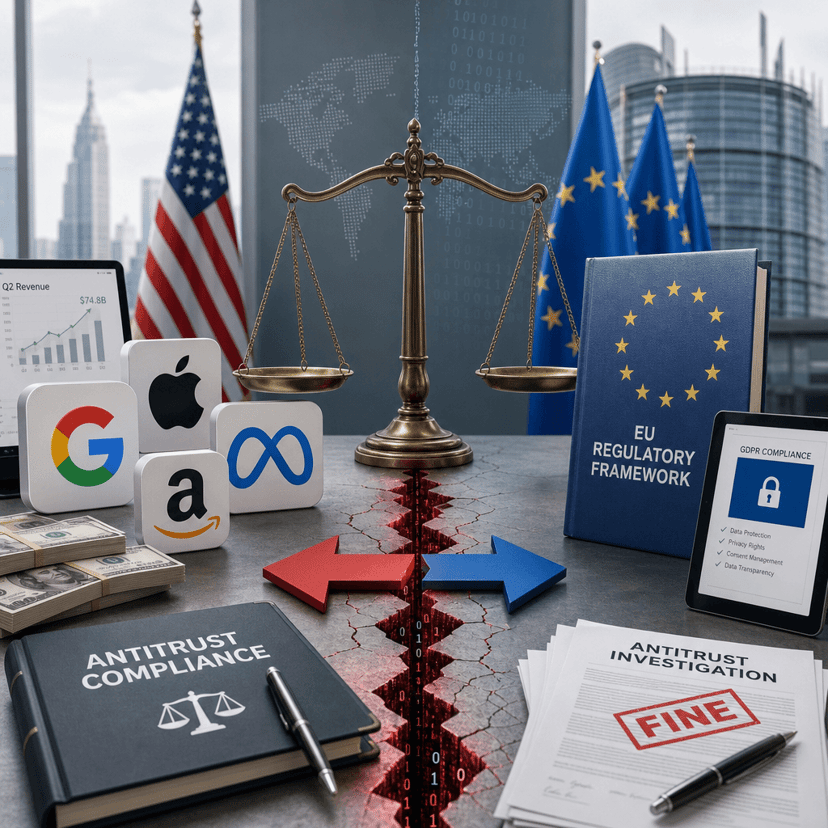
President Trump just escalated the transatlantic tech war, vowing to investigate the European Union over billions in antitrust fines levied against America's biggest tech companies. In a sharp rebuke issued Friday, Trump demanded that penalties against Google, Apple, Meta, and Amazon be "entirely reversed," according to BBC Technology. The move signals a dramatic shift in US policy and threatens to reignite trade tensions between Washington and Brussels.
The gloves are off. President Trump's Friday declaration that the European Union should "entirely reverse" its fines against America's tech giants represents the most direct White House challenge yet to European regulatory authority. The statement, first reported by BBC Technology, targets penalties that have hit Google, Apple, Meta, and Amazon with billions in cumulative fines over the past several years.
The timing couldn't be more charged. Brussels has become increasingly aggressive in wielding antitrust enforcement as a tool against American tech dominance, while Silicon Valley has grown frustrated with what it views as regulatory overreach disguised as consumer protection. Trump's vow to launch an investigation suggests the administration is prepared to treat EU fines as a trade issue rather than a legitimate regulatory action.
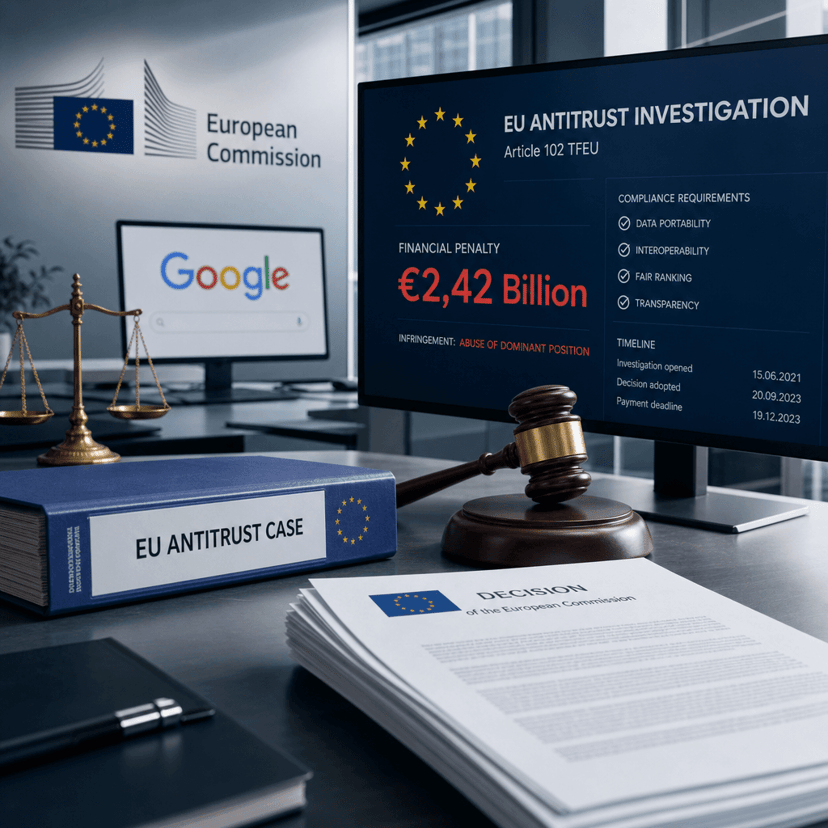
Google has been hit hardest by European regulators, facing multiple multibillion-euro penalties for allegedly abusing its dominance in search and mobile operating systems. The company's total EU fines now exceed €8 billion across several cases. Apple recently lost a major appeal over a €13 billion tax ruling, while Meta has faced repeated privacy and competition violations. Amazon is battling ongoing investigations into its treatment of third-party sellers on its marketplace.
What makes Trump's intervention particularly notable is the direct presidential involvement in what have traditionally been matters handled by trade representatives and legal teams. By framing the fines as something that should be "entirely reversed" rather than adjudicated through existing appeals processes, the president is essentially rejecting the legitimacy of EU regulatory authority over American companies.
The European Commission has steadily ramped up enforcement over the past decade, viewing itself as the world's leading tech regulator in the absence of comprehensive US federal action. The Digital Markets Act and Digital Services Act have given Brussels even more tools to police platform behavior, creating what tech executives privately describe as a compliance nightmare.
But the fines represent more than regulatory headaches - they're real money coming out of corporate treasuries. While tens of billions in penalties may seem manageable for companies with market caps in the trillions, the precedent matters enormously. If the EU's approach spreads to other jurisdictions, American tech firms could face a fragmented global regulatory landscape that makes their current business models unsustainable.
Trump's statement also arrives as Congress debates its own tech regulation proposals, creating an awkward dynamic where the White House defends Big Tech abroad while lawmakers at home push for antitrust breakups. The contradiction hasn't gone unnoticed. Some policy analysts see Trump's move as nakedly protectionist - using presidential authority to shield American companies from foreign accountability regardless of the underlying merits of European cases.
What happens next remains uncertain. An investigation could lead to retaliatory tariffs, trade negotiations, or diplomatic pressure. The EU has shown little willingness to back down from tech enforcement in the past, viewing it as essential to protecting European consumers and businesses from American platform power. Brussels officials have consistently argued that the fines are based on violations of European law and aren't negotiable through political channels.
For the tech companies themselves, Trump's intervention creates both opportunity and risk. Public backing from the White House might strengthen their negotiating position, but it also paints them as beneficiaries of political favoritism rather than victims of regulatory overreach. Google, Apple, Meta, and Amazon have each maintained that they comply with local laws while challenging specific enforcement actions through European courts.
The broader context is a global reckoning over tech platform power that's playing out differently across regions. While Europe leans toward aggressive regulation, the US has largely relied on private litigation and limited agency action. That divergence has created strategic opportunities for companies to play regulators against each other - but also risks like the current situation where political intervention threatens to turn technical legal disputes into international incidents.
Trump's demand for an investigation into EU tech fines marks a potential turning point in transatlantic relations and tech governance. Whether this leads to serious trade consequences or remains political theater, the message is clear - the White House is willing to go to bat for Silicon Valley against foreign regulators. For Google, Apple, Meta, and Amazon, that's welcome support in the short term but could complicate their long-term efforts to position themselves as responsible global actors rather than American proxies. Watch for the EU's response and whether other nations follow Brussels' lead or reconsider their own tech enforcement in light of potential US retaliation.