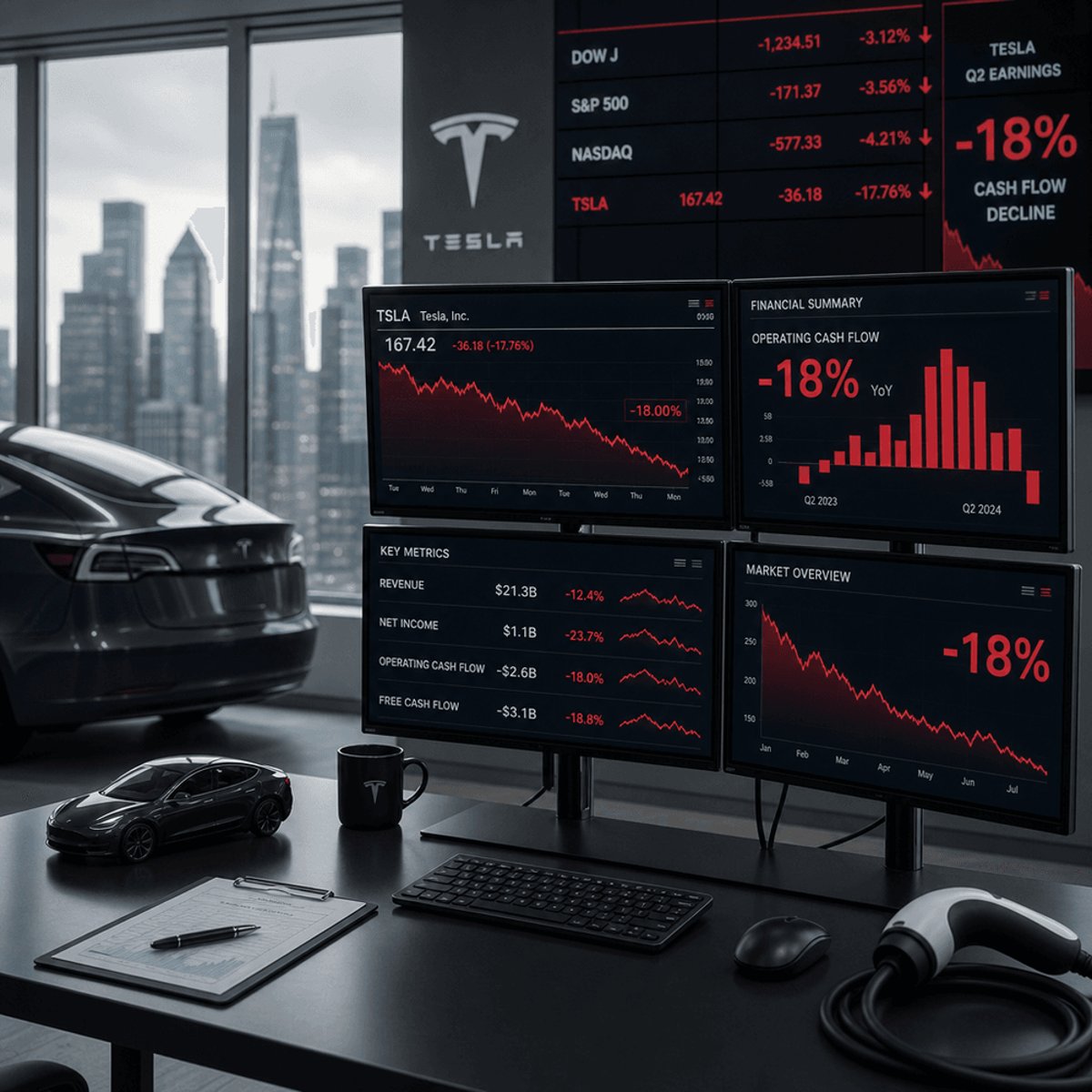
Tesla just posted its worst weekly performance in nearly four years, with shares cratering 18% after the electric vehicle maker missed earnings expectations and reported negative cash flow for the quarter. The sharp decline marks a stunning reversal for a company that's been a market darling, raising fresh questions about demand for EVs and CEO Elon Musk's ability to juggle multiple ventures as SpaceX simultaneously faces its own challenges ahead of a critical Starship test flight.
Tesla is hemorrhaging value at a pace not seen since the market turmoil of 2022. The 18% weekly decline comes on the heels of quarterly results that shocked Wall Street - not just for missing revenue targets, but for something far more alarming: the company burned through cash instead of generating it.
The earnings miss hit investors like a cold shower. After years of Tesla defying skeptics and posting increasingly robust profits, the shift to negative cash flow signals potential trouble in the core business. According to the CNBC report, the combination of weaker-than-expected deliveries and deteriorating financials sent shares into freefall throughout the week.
What makes this particularly brutal is the timing. Tesla's been fighting headwinds on multiple fronts - increased competition from Chinese EV makers, slowing demand in key markets, and pricing pressure that's been squeezing margins. The negative cash flow suggests these aren't just temporary bumps but potentially structural challenges that could force the company to rethink its aggressive expansion plans.
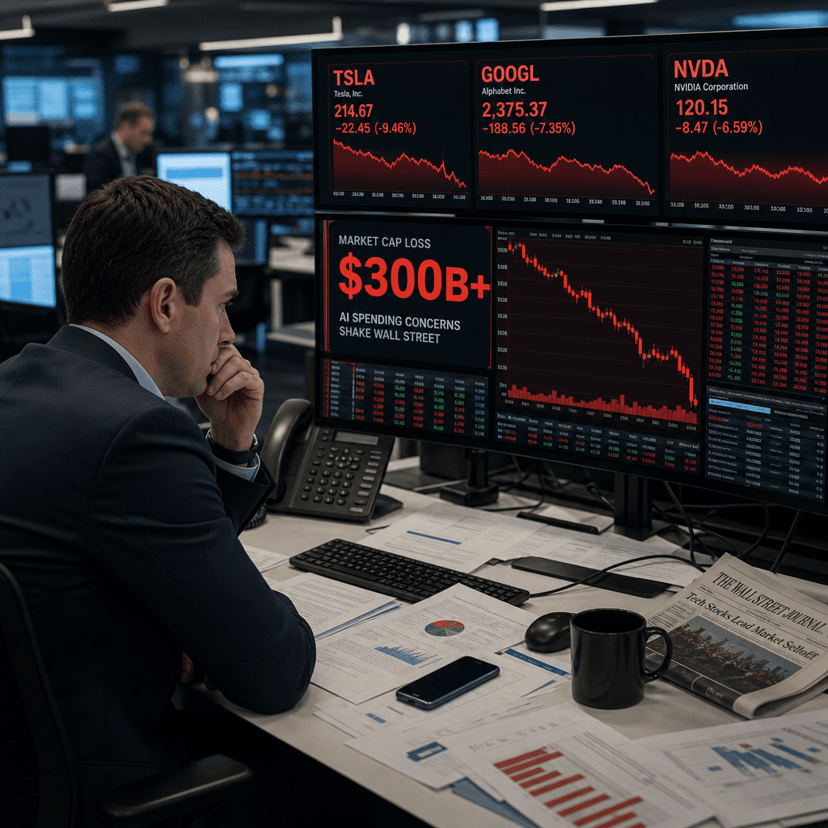
The market's reaction has been swift and merciless. Tesla's market capitalization shed tens of billions in value as institutional investors headed for the exits. For a company that's traded more on growth promises than current fundamentals, the shift from cash generation to cash consumption represents a narrative-breaking development that's hard to spin positively.
But Tesla's troubles aren't happening in isolation. SpaceX, Musk's other marquee venture, is facing its own moment of truth. The private space company has seen valuations slip in secondary markets ahead of an upcoming Starship test flight - a mission that's critical to SpaceX's ambitions for Mars colonization and its lucrative NASA contracts.
The simultaneous struggles at both companies are reviving old questions about Musk's focus. The CEO has been splitting time between Tesla, SpaceX, X (formerly Twitter), Neuralink, and The Boring Company. While he's managed this juggling act successfully for years, investors are starting to wonder if the cracks are finally showing.
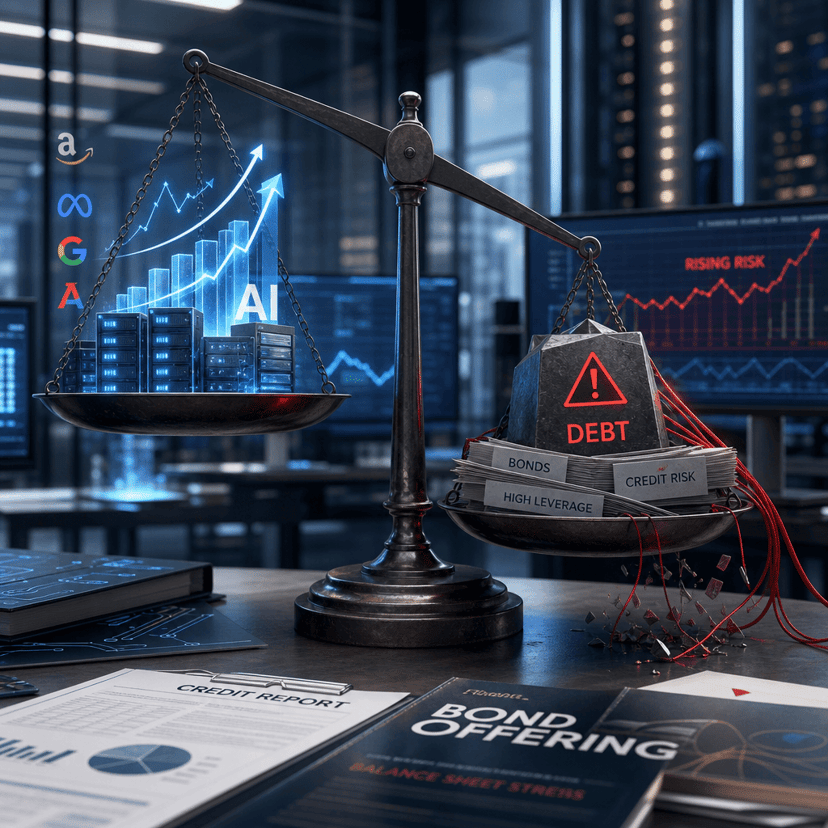
Industry analysts are now recalibrating their models. The negative cash flow at Tesla forces a rethink of the company's ability to self-fund its ambitious roadmap, which includes the Cybertruck ramp, new manufacturing facilities, and development of more affordable models. If Tesla needs to tap capital markets or take on debt, it would mark a significant shift from its recent position of financial strength.
The broader EV market isn't helping either. Legacy automakers like Ford and GM have been pulling back on electric vehicle investments, citing slower-than-expected consumer adoption. Meanwhile, Chinese competitors like BYD continue gaining market share with aggressive pricing that Tesla's struggled to match without sacrificing profitability.
For SpaceX, the upcoming Starship test represents both risk and opportunity. A successful flight could reinvigorate confidence and stabilize valuations. But any setback could compound the negative sentiment already swirling around Musk's business empire. The rocket system is central to NASA's Artemis moon program and SpaceX's own plans for Mars missions, making each test flight a high-stakes event.
What happens next likely depends on Tesla's ability to right the ship quickly. The company needs to demonstrate that the negative cash flow was a one-quarter anomaly rather than the beginning of a concerning trend. That means showing improving demand, stabilizing margins, and executing on production targets in the coming months.
Investors will be watching the next earnings call with unusual intensity. Musk's typical bombastic confidence may not be enough this time - the market wants concrete plans for returning to positive cash flow and evidence that Tesla's competitive moat hasn't eroded as quickly as this week's stock performance suggests.
This week marks a potential inflection point for Musk's business empire. Tesla's worst performance since 2022, combined with pressure at SpaceX, suggests the invincibility narrative that's surrounded these companies is facing its toughest test yet. Whether this represents a temporary setback or the beginning of a more fundamental reassessment will depend on execution in the coming quarters. For now, investors are voting with their feet, and the message is clear: the market's patience with growth-at-any-cost has limits, especially when cash flow turns negative.