Update: Amazon Spokesperson Statement, 01/27/26.
"We are in the process of rolling out Alexa+ to some Prime customers with compatible devices, but it is not accurate to say they have all been upgraded."
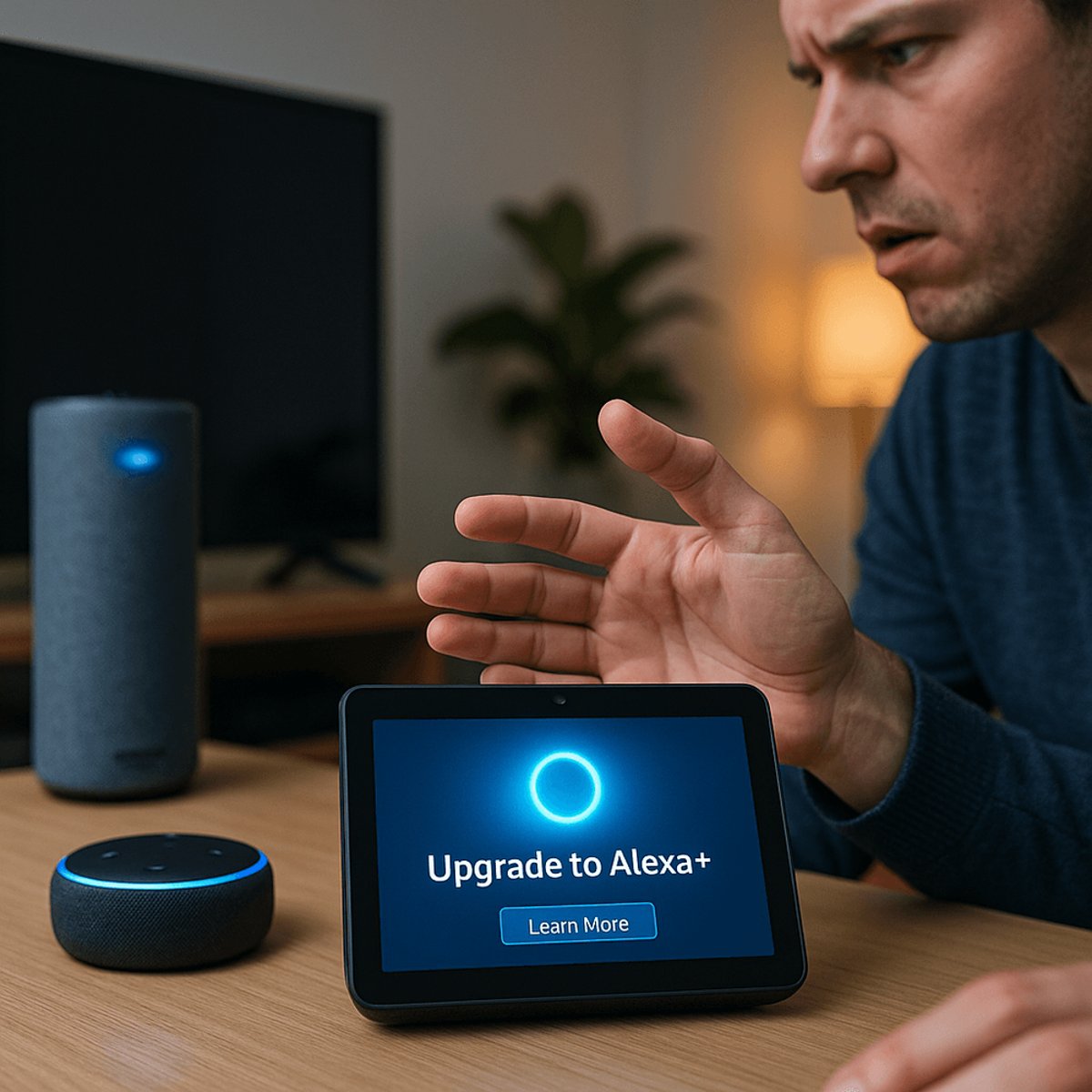
Amazon is force-migrating millions of Prime members to its AI-powered Alexa+ voice assistant, whether they want it or not. The unannounced rollout - which ditches the familiar Alexa voice for what users are calling a "sassy teenager" - has sparked immediate backlash from customers who woke up to find their Echo devices speaking in an entirely different tone. According to Wired, the mass upgrade began in January 2026 after Amazon announced at CES it was ending the Alexa+ waiting list.
Amazon just pulled off one of the most aggressive product updates in smart home history. The company's AI-powered Alexa+ voice assistant - still technically in "Early Access" - started appearing on millions of Echo devices this month without users explicitly asking for it. If you're a Prime member with a supported Echo, Echo Dot, Echo Show, or Fire TV device, you've likely already been switched over.
The rollout marks a sharp departure from Amazon's usual opt-in approach. One Wired staffer reported repeatedly declining the upgrade prompt, only to wake up one morning to find her Echo Dot greeting her in Alexa+'s noticeably different voice - a change she described as "intolerable." The new default voice, which Amazon labels "Feminine 1" and describes as "upbeat" in the Alexa app, has become the flashpoint of user frustration. On Reddit, customers are calling it the "teenage girl voice" or "sassy teenager," noting its youthful cadence that can sound almost sarcastic.
"Alexa+ is significantly more capable than the original Alexa, so we're working to make it available to as many customers as possible," an Amazon spokesperson told Wired. "We notified customers of the upcoming update, including how to return to the original version." The company claims it sent emails, in-app notifications, and on-device alerts, but the sheer volume of surprised users suggests those warnings didn't land effectively.
The timing is strategic. Amazon announced at CES in early January that it was eliminating the Alexa+ waiting list and making the assistant available to all Early Access customers - a group that apparently includes every Prime subscriber by default. The move also extends Alexa+ to Alexa.com, positioning Amazon's assistant as a cross-platform competitor to OpenAI's ChatGPT, which has dominated the conversational AI space.
Alexa+ transforms the Echo experience in several fundamental ways. On devices with displays like the Echo Show, it converts interactions into a text chat interface similar to ChatGPT, displaying conversations as an ongoing message thread. The AI promises more conversational responses and better understanding of complex requests, positioning Alexa less as a command-driven digital butler and more as a chatbot you can talk to naturally. But that shift comes with trade-offs - weather reports that once filled the entire Echo Show screen now appear as cramped slideshow snippets within the chat interface. And Alexa+ injects ads directly into active conversations, not just during idle slideshow rotations.
The device compatibility list is surprisingly generous, reaching back to first-generation Echo, Echo Dot, Echo Show, Echo Spot, and even the discontinued Echo Plus. Fire TV streaming devices and Fire tablets are also supported, meaning Prime members with multiple Amazon devices could see Alexa+ appearing across their entire smart home ecosystem.
For users who want out, the escape route is simple but not entirely satisfying. Just say "Alexa, exit Alexa Plus" and the device will revert to the original experience. But here's where things get murky - even after switching back, users are reporting the original voice doesn't sound quite the same. The "Feminine 2" voice option, previously known as "Relaxed," now has different inflections and cadence. Reddit users noticed the changes immediately, suggesting Amazon updated the underlying voice model to align with Alexa+'s more conversational style.
You can also keep Alexa+ but switch to the old voice by asking Alexa to change it, though one Reddit user reported that request failing as of mid-January. Alexa+ offers eight voice options total - four feminine, four masculine - each labeled with single adjectives like "Inviting" or "Warm."
The pricing structure adds another layer of complexity. Alexa+ currently remains free for all users during Early Access, but once it officially launches, Prime members will keep free access while non-Prime users face a $20 monthly subscription fee. That puts Amazon in direct competition with ChatGPT Plus, also $20 per month, though OpenAI's offering is significantly more capable at this stage. Amazon hasn't announced when Alexa+ will exit Early Access and transition to the full version.
The aggressive rollout reflects mounting pressure on Amazon to demonstrate AI progress. The company has been working on Alexa+ since spring 2025, but the assistant still lacks feature parity with competitors. By pushing it to the massive Prime member base - over 200 million subscribers globally - Amazon can accelerate real-world testing and gather usage data at scale. But that strategy risks alienating loyal Alexa users who feel their devices were changed without proper consent.
The timing also coincides with broader industry shifts in voice AI. Google has been integrating its Gemini AI into Assistant, while Apple continues refining Siri with on-device intelligence. The voice assistant wars are entering a new phase where conversational AI capabilities matter more than simple command execution, and Amazon can't afford to fall behind.
For now, the company is betting that most users will adapt to Alexa+'s new personality, even if the initial reaction is negative. The chatbot-style interface and more natural language processing could eventually win over skeptics, particularly as Amazon continues refining the experience based on Early Access feedback. But forcing the change on users who didn't ask for it represents a risky gamble with customer trust - especially when the "upgraded" experience still feels incomplete and the original Alexa is no longer quite the same.
Amazon's forced Alexa+ migration reveals the tension between rapid AI innovation and user autonomy. While the company frames this as bringing "significantly more capable" features to customers, the auto-enrollment approach and inability to fully restore the original experience raises questions about consent in the smart home era. As voice assistants become more conversational and AI-driven, users are discovering they have less control over devices they've already purchased - and the voices they've grown accustomed to living with. Whether Alexa+'s improved capabilities will justify the disruption remains to be seen, but Amazon's willingness to push the update regardless suggests it views this transition as essential to competing in the AI assistant race.