While Meta and Google race to put cameras on every face, Even Realities is taking the opposite bet. The startup's new smart glasses deliberately skip recording capabilities, instead targeting road warriors and meeting marathoners with real-time translation and heads-up notifications. It's a calculated play that privacy concerns, not sci-fi ambitions, will drive the next wave of wearable adoption among professionals who spend their days in conference rooms and international flights.
Even Realities just drew a line in the sand on smart glasses. While Meta pushes Ray-Ban Stories with built-in cameras and Apple reportedly preps its own recording-capable eyewear, this startup is betting that what professionals actually want is something they can wear in a meeting without making everyone uncomfortable.
The glasses ship without cameras, microphones for recording, or any of the surveillance features that have turned devices like Google Glass into workplace pariahs. Instead, Even Realities focuses on what the company calls "information overlay" - real-time translations, calendar notifications, and navigation prompts displayed on transparent lenses.
It's a direct response to the privacy backlash that's dogged every previous smart glasses attempt. According to TechCrunch, the target user is someone "constantly in meetings, giving presentations, and traveling to countries where different languages are spoken." That's corporate-speak for consultants, executives, and international business travelers - exactly the crowd that can't risk the optics of wearing recording devices into sensitive conversations.
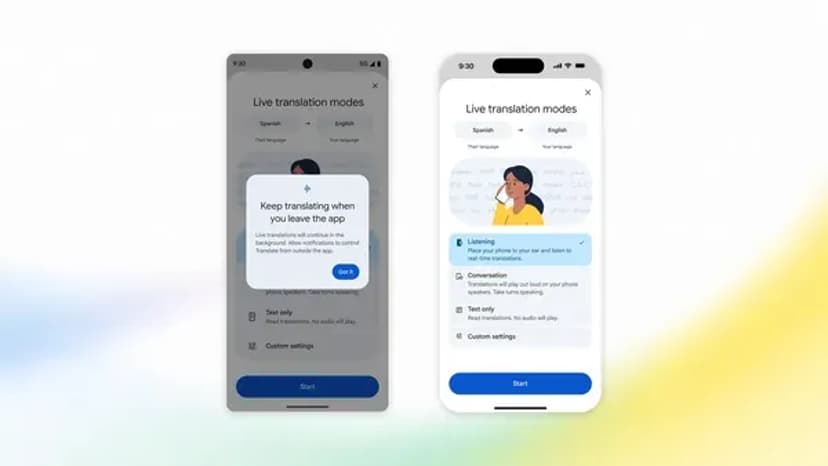
The translation feature appears to be the headline capability. Pair the glasses with a smartphone running the Even Realities app, and spoken foreign languages get converted to text that floats in your field of view. It's the same promise Google made with Translate's AR mode and that startups like Timekettle have tried with earbuds, but baked into eyewear that you're already wearing.
What Even Realities is really selling is plausible deniability. When someone walks into a client meeting wearing Meta's Ray-Ban Stories, everyone wonders if they're being recorded. With camera-less glasses, that anxiety disappears. It's less about technical capability and more about social engineering - making wearable tech acceptable in professional environments where recording is either illegal or career-limiting.
The broader context matters here. Smart glasses have been stuck in a catch-22 for over a decade. Consumers want lightweight, stylish frames with powerful features. But powerful features require cameras, processors, and batteries that make glasses bulky and creepy. Meta chose features over social acceptance. Even Realities is making the opposite trade.
This approach puts them in direct competition with the emerging category of "enterprise wearables" - devices like RealWear's industrial headsets and Vuzix's warehouse glasses that sacrifice consumer appeal for workplace utility. But those products look like safety equipment. Even Realities is trying to split the difference: professional capabilities in consumer-friendly frames.
The risk is that they've built a solution without a problem. Smartphone-based translation already works well enough for most travelers. Calendar notifications on your wrist via Apple Watch or similar devices don't require looking through special lenses. And for presentations, a simple clicker and confidence monitor do the job without strapping electronics to your face.
Timing might be on their side though. Corporate policies around recording devices are tightening just as remote work makes international collaboration more common. Law firms, healthcare providers, and financial institutions are all scrambling to figure out what happens when employees start wearing AI-powered cameras into regulated environments. A device that delivers some smart glasses benefits without the compliance headaches could find a niche.
The real test will be whether professionals actually want this. Google Glass failed partly because of privacy concerns, but also because it didn't solve real problems. If Even Realities can demonstrate measurable productivity gains - fewer missed notifications, faster communication across language barriers, better presentation delivery - then corporate buyers might overlook the fact that these glasses do less than the competition.
Pricing and availability haven't been disclosed, but the professional focus suggests this won't be a mass-market play. More likely, Even Realities is aiming for corporate procurement and business travel expense accounts - the kind of buyers who already provision employees with premium laptops, noise-canceling headphones, and international data plans.
What's notable is what this launch says about where the smart glasses market is heading. Instead of one category dominated by a few big players, we're seeing fragmentation between consumer devices that do everything (and creep everyone out) and specialized tools that do less but fit into existing social norms. Even Realities is betting that in professional contexts, boring and acceptable beats powerful and problematic.
Even Realities is making a calculated bet that the path to mainstream smart glasses adoption runs through corporate compliance departments, not consumer enthusiasm. By deliberately limiting what their glasses can do, they're trying to solve the social acceptability problem that's plagued every previous attempt at face-worn computing. Whether that's enough to build a sustainable business depends on something no amount of technology can answer: do professionals actually need another screen in their lives, or are they just fine pulling out their phones? The company is wagering that in the right contexts - international business travel, multilingual meetings, high-stakes presentations - the answer is yes. But they're also acknowledging that for most people, most of the time, the surveillance baggage of camera-equipped glasses just isn't worth it.