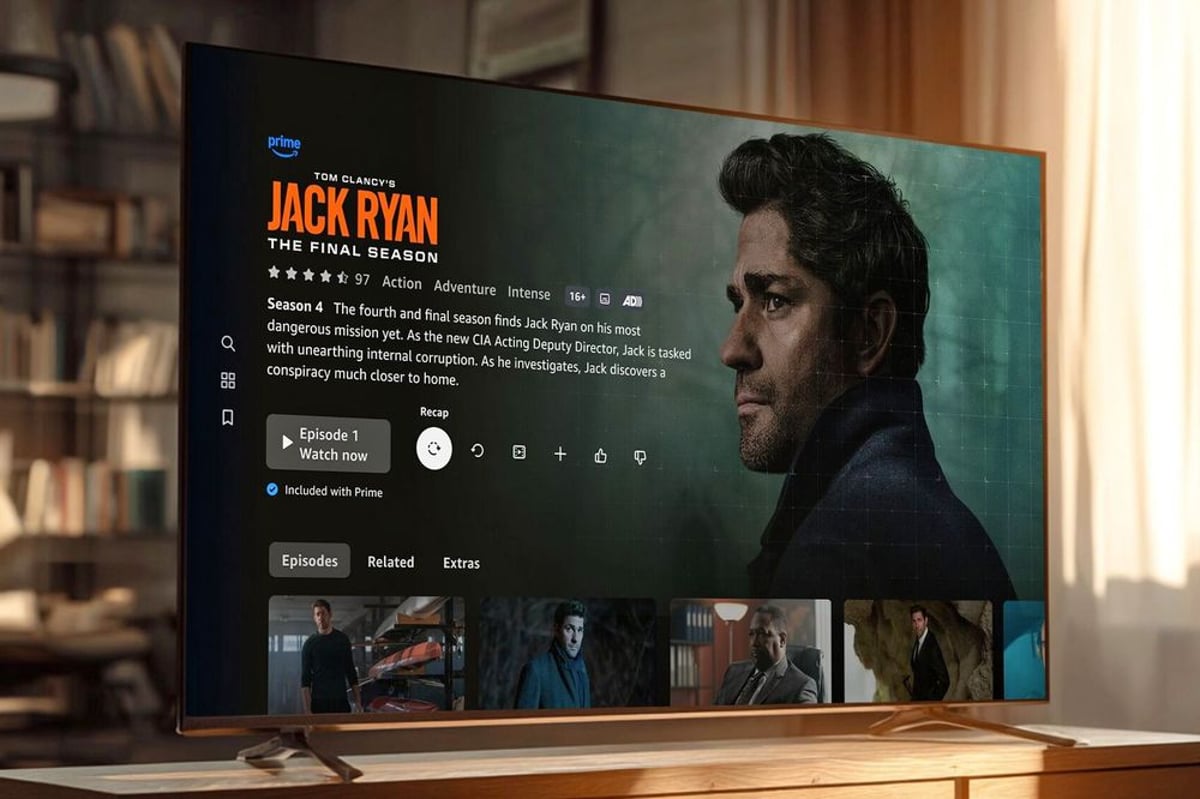
Amazon just rolled out Video Recaps, an AI-powered feature that automatically creates theatrical-quality recap videos for Prime Original series. The beta feature analyzes plot points and character arcs to generate custom video summaries complete with AI narration - marking another major push into generative AI applications for streaming platforms.
Amazon is betting big on AI-generated content with its latest Prime Video experiment. The company's new Video Recaps feature represents a significant leap beyond traditional streaming recap methods, using generative AI to automatically create what the company calls "theatrical-quality" summary videos.
The beta rollout launching this week targets five English-language Prime Original series: Tom Clancy's Jack Ryan, Upload, Bosch, The Rig, and Fallout - perfectly timed ahead of Fallout's season two premiere on December 17th. But this isn't just another recap button. Amazon's AI dives deep into narrative analysis, identifying key plot points and character arcs before automatically assembling video clips with synchronized audio effects and AI-generated voiceover narration.
The technical approach sets Video Recaps apart from competitors' simpler text summaries. According to Amazon's announcement, the system first analyzes "a season's key plot points and character arcs to deeply understand the most pivotal moments that will resonate with viewers." The AI then selects appropriate video segments and stitches them together with what Amazon describes as "overarching AI-generated voiceover narration."
This builds on Amazon's existing X-Ray Recaps text feature launched last year, but represents a quantum leap in automation complexity. Creating video content automatically requires sophisticated understanding of narrative flow, visual storytelling, and audio mixing - capabilities that were prohibitively expensive just months ago.
The feature addresses a real streaming pain point. With increasingly long gaps between seasons and the sheer volume of content available, viewers often struggle to remember complex plot developments when returning to serialized shows. Netflix and other competitors rely primarily on human-created "previously on" segments or simple text summaries.
But Amazon's approach raises questions about accuracy and creative control. While the AI can process vast amounts of content quickly, it might miss subtle character developments or misinterpret complex plot threads that human editors would catch. For a three-minute recap of Jack Ryan's season three, any narrative missteps could confuse viewers heading into new episodes.
The limited initial rollout suggests Amazon is proceeding cautiously. Starting with Fire TV "living room" devices before expanding to mobile and web platforms lets the company test performance and user feedback in a controlled environment. The selection of just five series from Amazon's catalog of fewer than 20 original dramas also indicates this is more pilot program than full-scale deployment.
Industry analysts see this as Amazon extending its AI infrastructure advantages into content creation. The company's AWS cloud services already power much of the internet's AI processing, and Prime Video represents a perfect testing ground for consumer-facing generative AI applications. Success here could position Amazon ahead of Netflix, Disney, and other streaming rivals in AI-enhanced viewing experiences.
The timing coincides with Amazon's broader AI content initiatives, including AI-powered recommendation engines and automated thumbnail generation. Video Recaps represents the most ambitious consumer-facing AI content creation tool yet deployed by a major streaming platform.
Amazon's Video Recaps represents more than just a convenience feature - it's a strategic move to establish dominance in AI-powered entertainment experiences. While the beta's limited scope suggests cautious optimism, the underlying technology could reshape how viewers consume serialized content across all streaming platforms. The real test will be whether AI-generated recaps can match the narrative intuition of human editors, or if viewers will notice when algorithms miss the emotional beats that make great storytelling memorable.