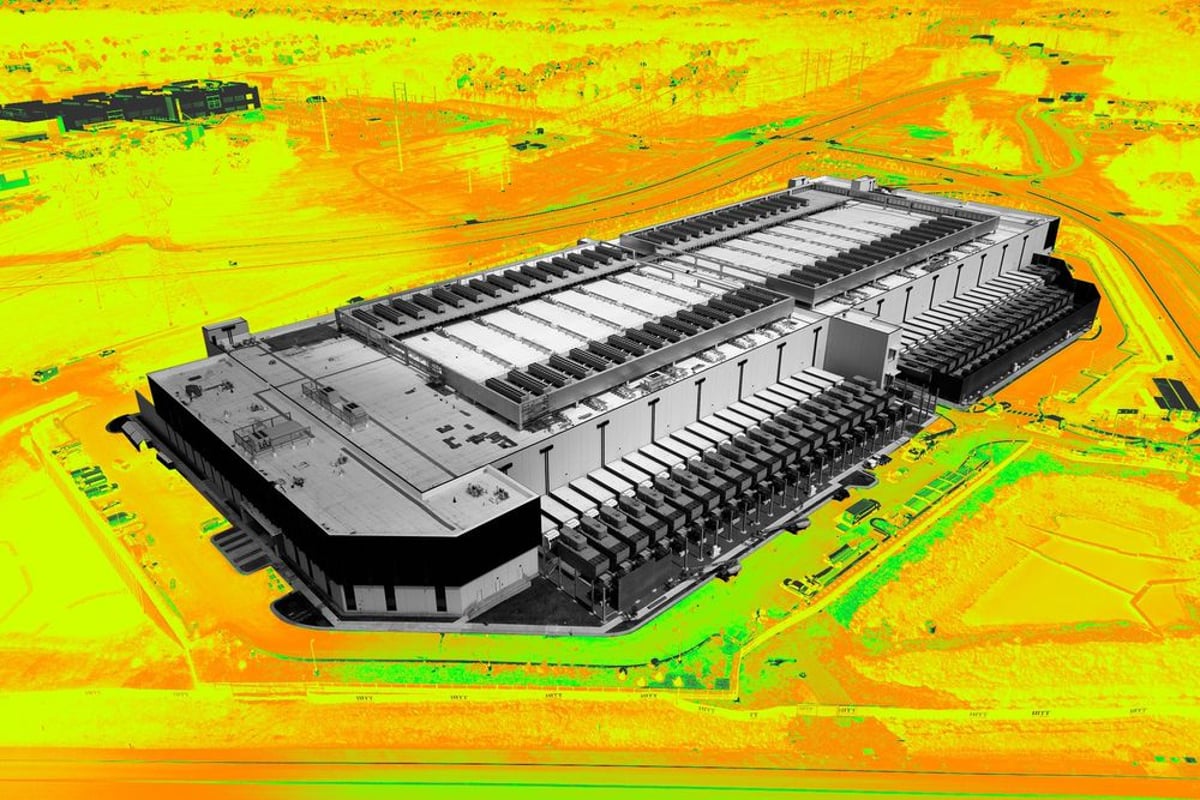
Seattle's City Council votes Tuesday on a one-year freeze for new data centers, and Amazon employees are leading the charge in support. In a rare public break from their employer, workers testified last week backing the moratorium - just two months after companies proposed five massive facilities in the city. The move spotlights growing tensions between AI infrastructure demands and local communities grappling with water use, energy costs, and noise pollution.
Amazon is facing an unusual challenge in its hometown. Current employees at the tech giant testified before Seattle officials last week, urging the city to pump the brakes on new data center construction - a position that puts them at odds with their employer's massive cloud computing ambitions.
The Seattle City Council's vote Tuesday on a one-year moratorium comes at a critical moment. Five large-scale data center proposals landed on the city's desk just eight weeks ago, according to The Verge. The rapid-fire applications triggered alarm bells among residents and workers who've watched AI infrastructure sprawl across the country with mounting concern.
What makes this story particularly striking is the source of opposition. Amazon employees don't typically testify against projects that align with the company's cloud infrastructure strategy. Amazon Web Services remains the company's most profitable division, and data centers are the backbone of that operation. But environmental concerns are apparently strong enough to override workplace loyalty.
The Seattle situation isn't happening in a vacuum. Data center projects have sparked protests across the country as communities wake up to the infrastructure demands of AI training and deployment. Water consumption has become a flashpoint - these facilities use enormous amounts to cool their servers. In King County, where Seattle sits, the issue is reaching a boiling point.
Local electricity prices are another pressure point. When data centers move into an area, they can strain the grid and drive up costs for residents. Noise pollution rounds out the trilogy of complaints, with the constant hum of cooling systems disrupting neighborhoods that weren't zoned for industrial-scale operations.
The tech industry's AI arms race has accelerated data center construction timelines. Companies like Microsoft, Google, and Meta are all scrambling to build capacity for their AI models. OpenAI needs massive computing resources to train and run its systems. The result is a land grab for suitable sites near power sources and fiber connections.
But Seattle's moratorium proposal signals that local governments are starting to push back. A one-year pause would give the city time to study environmental impacts and potentially craft stricter regulations. It's the kind of breathing room that tech companies have historically fought tooth and nail to prevent.
The employee testimony adds an interesting wrinkle. Tech workers wielding their influence for environmental causes isn't entirely new - Google employees famously protested the company's military contracts and climate policies in recent years. But Amazon has faced less internal activism than some of its peers, making this public stand more notable.
If the moratorium passes, it could embolden other cities to follow suit. Data center developers are already facing resistance in Virginia, Utah, and other hotspots. A precedent in Amazon's backyard would carry symbolic weight beyond Seattle's borders.
The vote also tests whether local governments can meaningfully slow the AI infrastructure buildout. Tech companies argue that delays threaten American competitiveness in AI development. Environmental advocates counter that unchecked expansion creates long-term costs that communities shouldn't have to bear.
Tuesday's decision will reveal whether Seattle prioritizes its tech industry's growth trajectory or listens to residents - including those who work for its biggest corporate citizen - demanding a more measured approach to AI infrastructure.
Seattle's vote Tuesday isn't just about five data centers or one city's zoning rules. It's a test case for how communities will handle the physical infrastructure demands of the AI boom. With Amazon employees breaking ranks to support environmental limits, the decision carries weight far beyond King County. Other cities watching this showdown will take cues from whether local concerns can actually slow tech's breakneck infrastructure expansion - or whether the AI arms race will steamroll opposition as it has in most markets so far.