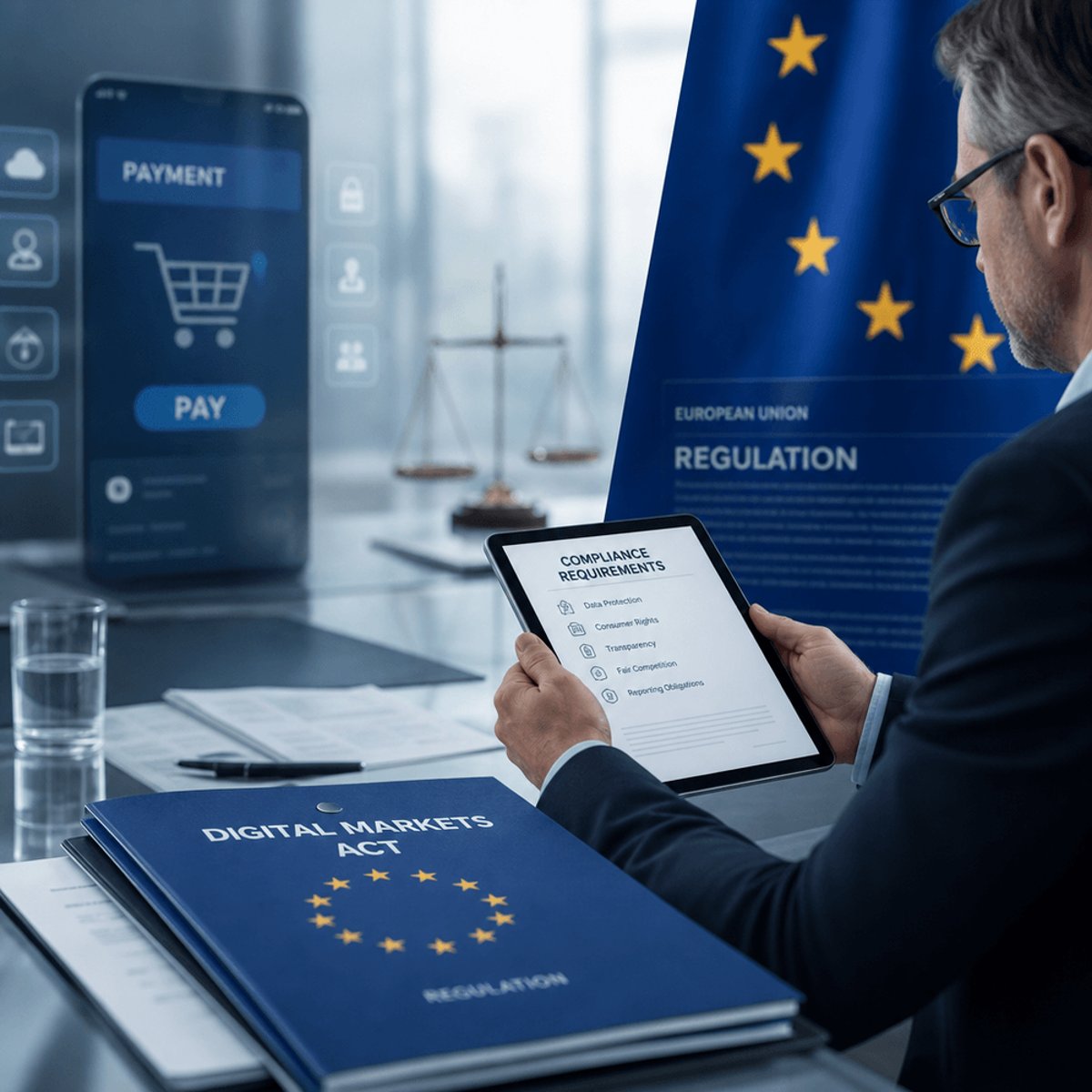
Apple just blinked in its standoff with European regulators. The iPhone maker announced a major overhaul of its App Store fee structure across the EU, claiming the changes "resolve" ongoing disputes with the European Commission over compliance with the Digital Markets Act. The move marks a significant retreat for a company that's fought tooth and nail against opening its walled garden, and signals that Brussels' regulatory pressure is finally breaking through Cupertino's defenses.
Apple is rewriting the rules for its European app empire. The company announced Tuesday it's overhauling how it charges fees in the EU App Store, a move designed to finally satisfy regulators who've been hammering the tech giant over its implementation of the bloc's Digital Markets Act.
The DMA, which went into force in March 2024, designated Apple as a digital gatekeeper and demanded it open up the iPhone ecosystem to alternative app stores and payment systems. Apple's initial response - a Byzantine fee structure that many developers argued was just the old system with extra steps - drew immediate fire from Brussels. European Competition Commissioner Margrethe Vestager publicly warned that Apple's proposed changes didn't meet the law's intent, setting up a showdown that's now reaching resolution.
According to CNBC, Apple claims its latest changes "resolve" the disagreements with regulators. While the company hasn't detailed the exact new fee structure, the announcement suggests Apple is backing away from some of its more controversial proposals - including the Core Technology Fee that would have charged developers €0.50 per annual app install after the first million downloads.
That CTF was particularly galling to developers. Even if they bypassed Apple's payment system entirely, they'd still owe Cupertino money based purely on distribution. Epic Games CEO Tim Sweeney called it "malicious compliance" designed to punish developers who dared use alternative payment rails. Spotify and other major apps threatened to simply refuse the new terms, creating a potential exodus that would have gutted Apple's Services revenue in Europe.
The stakes were massive. The European Commission can fine companies up to 10% of global annual revenue for DMA violations - in Apple's case, that's potentially $38 billion based on its fiscal 2025 numbers. Repeat offenses can draw penalties up to 20% of worldwide revenue. Those aren't the kind of numbers even Apple can shrug off, especially when Services now accounts for over 22% of total revenue and represents the company's highest-margin business.
Apple's initial DMA response attempted to thread an impossible needle. The company needed to technically comply with the law's letter while preserving the economics of its App Store business, which analysts estimate generates $25-30 billion annually. That's why Apple's first proposal allowed alternative payment systems but still charged a 27% commission on digital goods - barely less than the standard 30% take, with added complexity.
But the revised approach signals Apple recognizes it pushed too far. The company's been fighting similar battles globally - from South Korea's in-app payment law to proposed US legislation - and losing ground everywhere. A high-profile defeat in Europe would embolden regulators worldwide and potentially cost Apple tens of billions in revenue over the next decade.
The timing is notable. This announcement comes just weeks after Google agreed to lower its Play Store fees in Europe following its own regulatory pressure. That created a competitive gap Apple couldn't ignore - if Android developers got better economics in Europe while iOS developers faced punitive fees, the platform could hemorrhage mindshare in a market representing over 450 million potential customers.
What's still unclear is whether Apple's latest olive branch goes far enough. The European Commission hasn't officially signed off on the changes, and Vestager's team has shown willingness to drag out investigations for years if they're not satisfied. The regulator is simultaneously investigating Apple over separate App Store restrictions, creating multiple pressure points.
For developers, this represents a potential watershed moment. If Apple genuinely lowers barriers to alternative payments and app distribution in Europe, it could fundamentally reshape mobile economics. Apps that previously couldn't justify the 30% commission might suddenly become viable. Subscription services could lower prices if they're not paying Apple's toll. Gaming companies could implement direct payment systems and keep more revenue.
But there's justified skepticism. Apple's demonstrated repeatedly it will defend App Store revenue to the absolute limit of legal tolerance. The company's argument - that its fees reflect the value of the iPhone platform, developer tools, and App Store distribution - hasn't changed. Apple will likely extract revenue through whatever mechanisms regulators allow, whether that's modified commissions, platform fees, or something else entirely.
Apple's EU App Store retreat marks a turning point in the platform wars. After years of minimal concessions, the company's finally acknowledging that regulatory pressure can force real change to its business model. Whether these revisions truly open up the iOS ecosystem or just create new roadblocks with better optics remains to be seen. What's certain is that developers, regulators, and competing platforms will scrutinize every detail of Apple's new fee structure. The resolution of this dispute won't just affect Europe - it'll set precedents for similar battles playing out from Washington to Seoul, determining whether the smartphone platforms that defined the past decade can maintain their grip on the next one.