Apple just dropped the iPhone 17e, and the company's holding the line on pricing while sneaking in some meaningful upgrades. The new budget flagship arrives at the same $599 price point as last year's 16e, but according to Wired's hands-on coverage, this isn't just a spec-bump refresh. The move signals Apple's commitment to the mid-range market as competition heats up from Samsung's Galaxy A-series and Google's Pixel lineup.
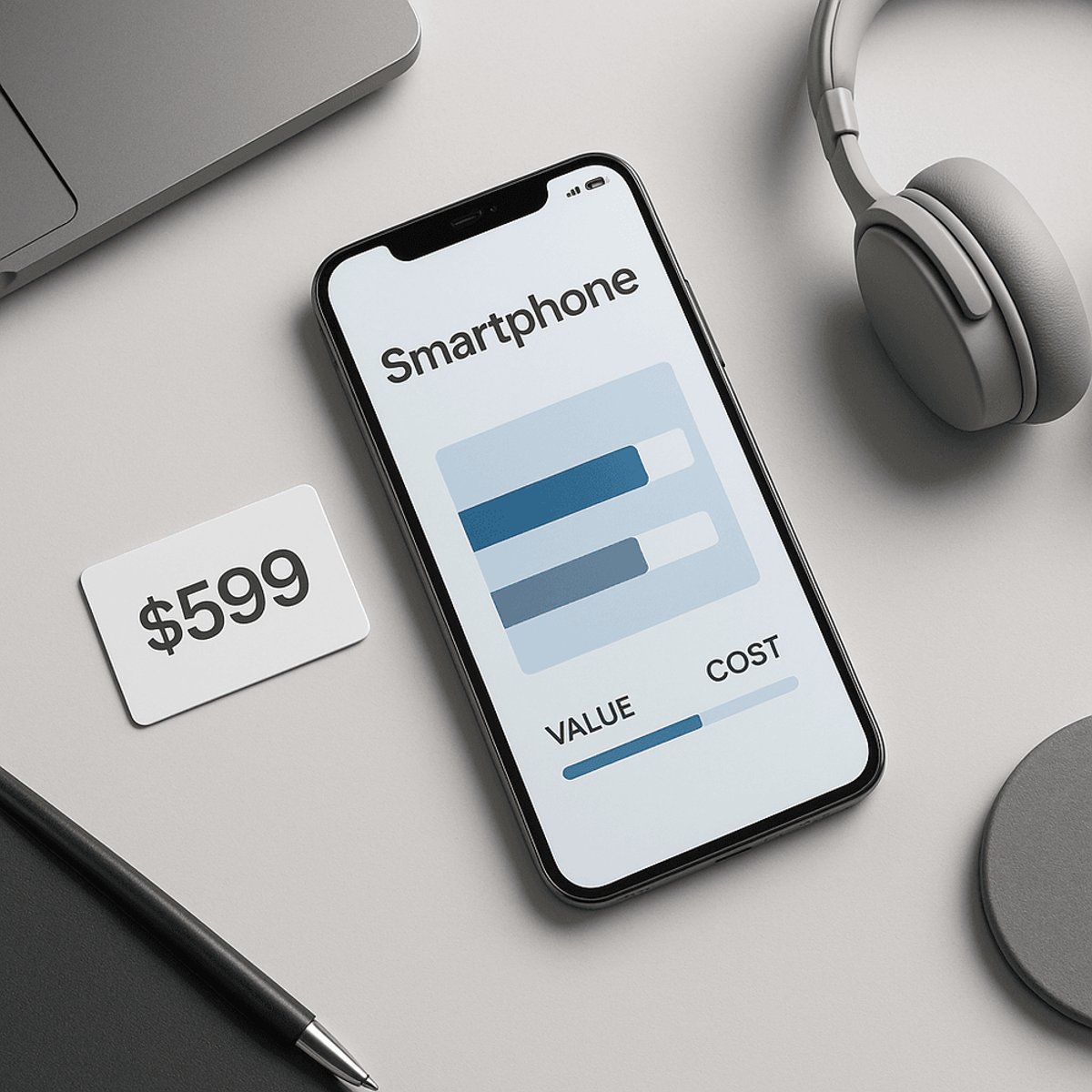
Apple is doubling down on its budget iPhone strategy. The company's new iPhone 17e arrives with a familiar $599 price tag, but the story here isn't about cost - it's about what Apple managed to pack in without raising the entry price.
The timing tells you everything. While flagship phones keep creeping toward four-figure price tags, Apple's keeping the 17e exactly where the 16e launched last year. That's significant. According to Wired's Julian Chokkattu, the device brings "noteworthy upgrades" that suggest Apple's learned what budget buyers actually care about.
The e-series represents Apple's answer to a market reality the company couldn't ignore. When the iPhone 16e dropped in 2025, it marked a clear pivot - Apple finally acknowledged that not everyone needs Pro-level cameras or the absolute fastest chip. The 17e builds on that foundation, refining the formula rather than reinventing it.
What makes this launch interesting is the competitive pressure. Samsung has been eating Apple's lunch in the mid-range space with its Galaxy A-series, while Google's Pixel lineup keeps getting better at undercutting premium phones. Apple needed to respond without cannibalizing its high-margin Pro models.
The $599 price point isn't arbitrary. It positions the 17e just below the psychological $600 barrier while leaving plenty of room between it and the premium iPhone 17 lineup. That gap matters - it lets Apple upsell without making the budget option feel compromised.
Industry watchers have been tracking Apple's mid-range strategy closely since the SE series showed there's real demand for affordable iPhones. The e-series takes that lesson and runs with it, offering a modern design and current-generation features instead of the SE's hand-me-down aesthetic.
The "noteworthy upgrades" language from Wired's coverage suggests Apple focused on specific pain points rather than across-the-board improvements. That's smart product strategy - figure out what budget buyers complain about most, fix those things, and keep everything else good enough.
What's missing from the picture so far is how the 17e fits into Apple's broader services strategy. The company makes serious money from iPhone users through subscriptions, iCloud storage, and App Store purchases. A $599 entry point gets more people into that ecosystem, potentially generating more lifetime value than a $999 phone that fewer people buy.
The launch also reveals Apple's supply chain sophistication. Holding prices steady while adding features means the company either negotiated better component costs, improved manufacturing efficiency, or accepted slightly lower margins. Given Apple's notorious margin discipline, the first two options seem more likely.
Competitors will be watching closely. If the 17e succeeds, it validates the premium-budget hybrid approach - good enough specs, current design language, and aggressive pricing. If it flops, it suggests the mid-range market wants either cheaper devices or more dramatic feature compromises.
For consumers, the 17e represents something straightforward: a modern iPhone that doesn't require payment plans or trade-ins. That simplicity has value, especially as phone upgrade cycles stretch longer and people become more price-conscious about their tech purchases.
The iPhone 17e's $599 launch price tells a bigger story about where the smartphone market is heading. Apple's betting that holding the line on cost while adding targeted improvements will win over budget-conscious buyers who still want a current-generation iPhone experience. As flagship phones push past $1,000 and upgrade cycles slow down, the mid-range battleground matters more than ever. The 17e isn't trying to be revolutionary - it's trying to be good enough at a price point that makes sense, and in 2026, that might be exactly what the market needs.