Apple just previewed what could be Siri's biggest upgrade since its 2011 debut - and it's happening on your wrist first. The watchOS 27 developer beta reveals Siri AI, a significantly more capable assistant that transforms the Apple Watch from a timer-setting gadget into something that actually feels like a wrist computer. According to hands-on impressions from The Verge, this isn't just an incremental update - it's a fundamental shift in how Apple thinks we should interact with smartwatches.
Apple is betting that AI will finally make people actually want to talk to their smartwatches. The company's watchOS 27 developer beta, released this week, brings Siri AI to the Apple Watch - and early hands-on time suggests this could be the moment when wrist-based voice assistants stop being a novelty and start being genuinely useful.
Siri has technically been on the Apple Watch since 2015, but let's be honest about what it's mostly been good for: setting kitchen timers and checking the weather when your hands are covered in flour. According to Victoria Song's hands-on preview at The Verge, that's about to change. The upgrade from "plain ol' Siri to Siri AI feels like a significant shift in how Apple - and other tech companies - think we ought to be using our smartwatches," she writes.
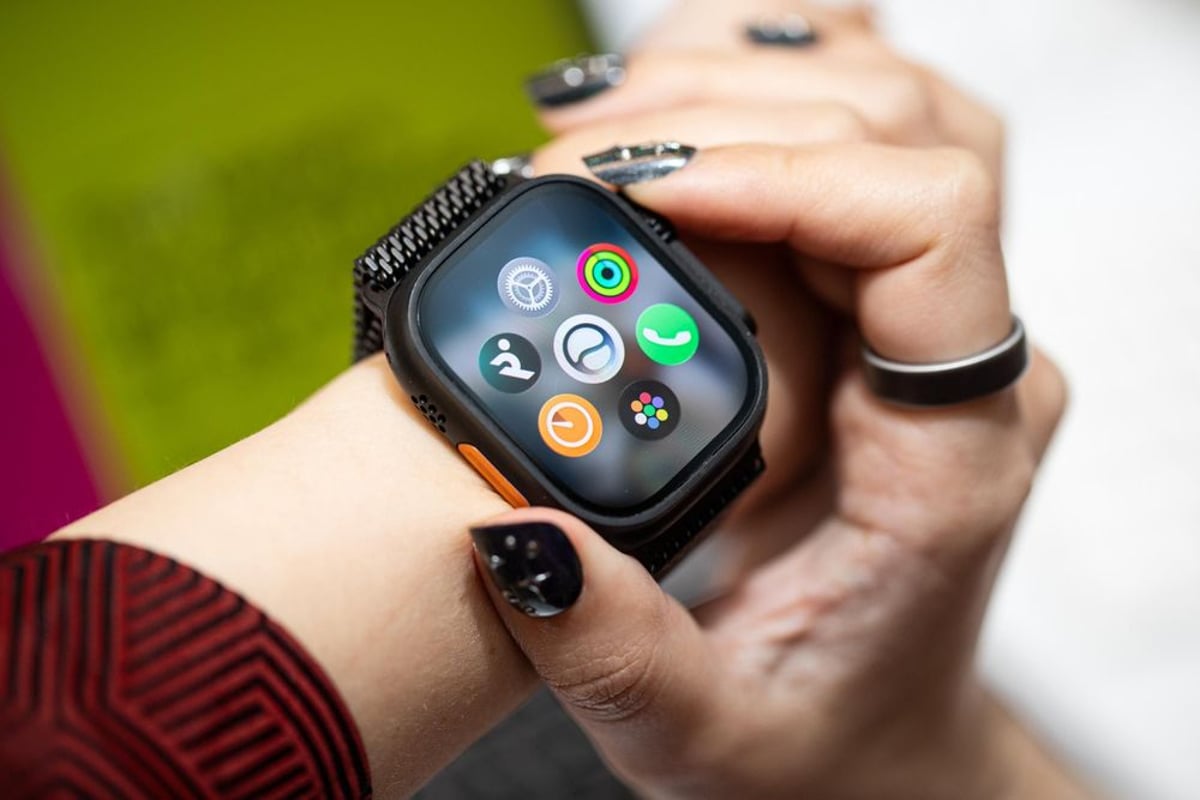
The new Siri AI gets its own dedicated app in watchOS 27, appearing front and center in the redesigned app launcher. But it's not just about visual prominence - the underlying capabilities represent a fundamental leap. While Apple hasn't disclosed the full technical architecture, the AI-powered version appears to leverage similar large language model technology that's been rolling out across Apple Intelligence features on iPhone and Mac.
What makes this particularly interesting is the timing. Apple is launching Siri AI on the Watch before bringing equivalent capabilities to other platforms, suggesting the company sees wearables as the ideal testing ground for always-available AI assistants. It makes sense when you think about it - your watch is already on your wrist, always listening, and designed for quick interactions. If AI-powered voice assistance is going to work anywhere, it should work here first.
The competitive implications are significant. Google has been pushing AI features across Wear OS, while Samsung recently integrated Galaxy AI into its smartwatch lineup. But Apple's ecosystem advantage - tight integration between Watch, iPhone, and iCloud services - could make Siri AI substantially more useful than competitors' offerings. When your assistant can seamlessly access your messages, calendar, health data, and app ecosystem, contextual understanding becomes exponentially more powerful.
The developer beta also hints at improved gesture controls working alongside Siri AI, though specifics remain limited in the preview build. This suggests Apple is thinking beyond pure voice interaction toward multimodal input - combining voice, gesture, and haptic feedback into a more natural wrist-computer experience.
For developers, the arrival of Siri AI in watchOS 27 opens new possibilities for third-party app integration. If the AI can truly understand context and handle complex queries, apps could build far more sophisticated voice-driven experiences than the limited Siri shortcuts currently allow. That could finally give developers a reason to invest more heavily in Watch app development, which has lagged behind iPhone and iPad.
The release strategy follows Apple's typical pattern - developer beta now, public beta likely in August, and final release alongside new Apple Watch hardware in September or October. But the early preview suggests Apple wants developers experimenting with Siri AI capabilities well before the fall launch.
What we don't know yet is how much of Siri AI will require an iPhone connection versus running locally on the Watch's processor. Previous Apple Intelligence features have emphasized on-device processing for privacy, but the Watch's limited computational power compared to iPhone could force some cloud processing. Battery life implications also remain unclear - AI processing is notoriously power-hungry, and the Apple Watch already requires daily charging.
The bigger question is whether this upgrade will actually change user behavior. Voice assistants on smartwatches have struggled with adoption not just because they weren't smart enough, but because talking to your wrist in public still feels awkward. Even the best AI can't solve social friction. But for private settings - at home, in the car, during workouts - a genuinely capable wrist-based assistant could become indispensable.
Apple's decision to lead with Siri AI on the Watch rather than iPhone signals a strategic bet that wearables represent the future of ambient computing. If the AI lives up to the early impressions, the Apple Watch could finally graduate from expensive fitness tracker to genuine wrist computer - one that understands context, anticipates needs, and actually justifies talking to your watch in public. The real test comes this fall when everyday users get their hands on it and decide whether AI is enough to overcome years of underwhelming voice assistant experiences.